McLaren double down on Formula 1 mulit-team ownership while Red Bull defend the concept
F1 Teams NewsSaturday, 23 May 2026 at 10:41
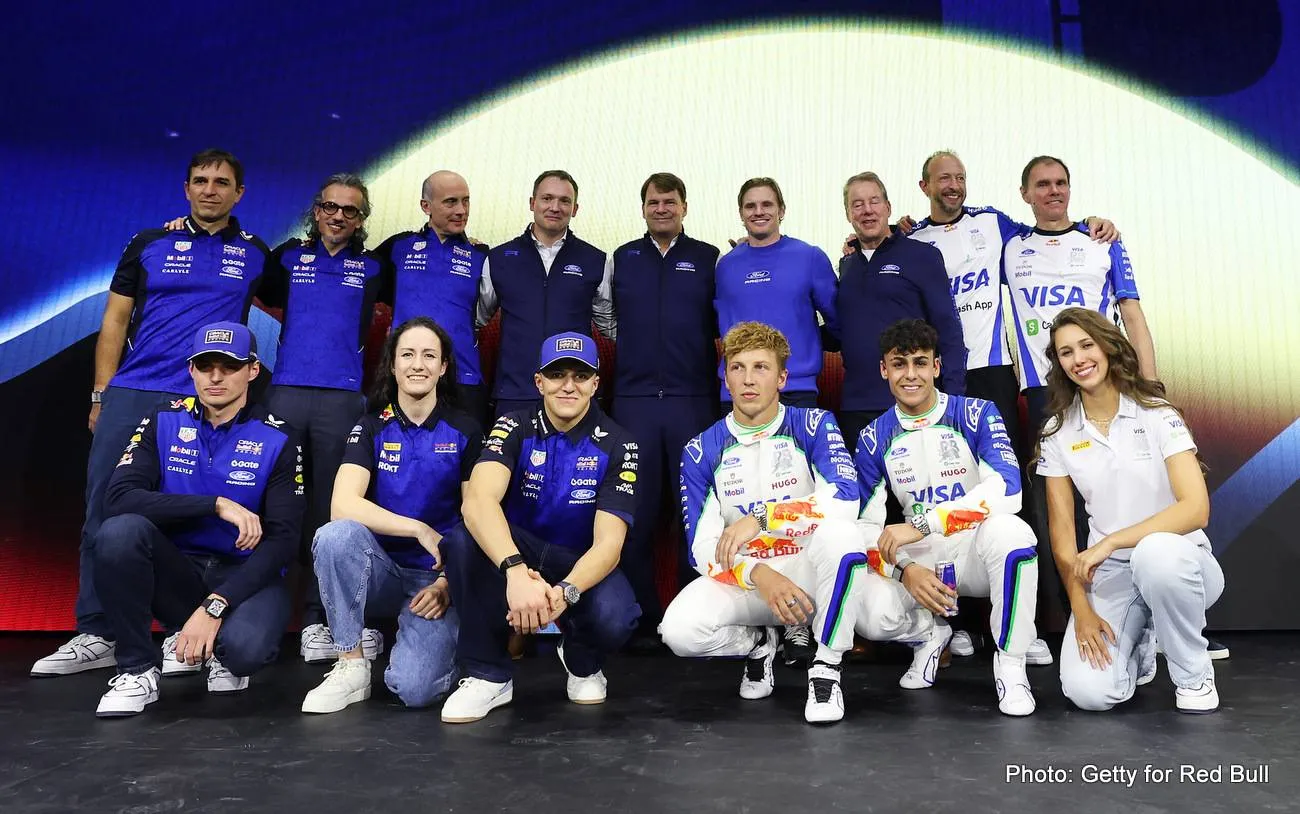
The debate over multi team ownership in Formula 1 intensified in Montreal on Friday after McLaren CEO Zak Brown raised concerns with the FIA earlier this month, prompting rival team bosses to defend their own structures during the Canadian Grand Prix team principals’ press conference.
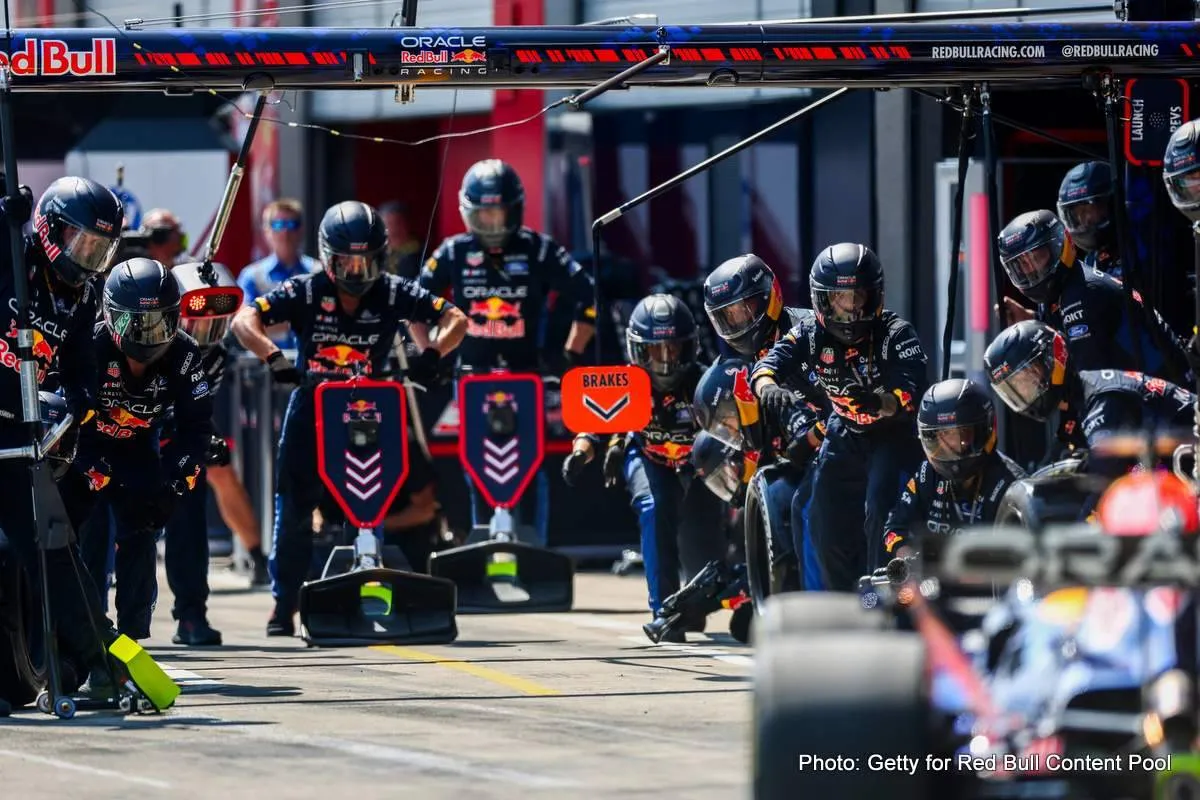
Brown’s position has placed fresh focus on the ownership model used by Red Bull GmbH, which controls both Red Bull Racing and Visa Cash App Racing Bulls, while speculation continues over a possible closer relationship between Mercedes F1 Team and the Alpine F1 Team.
Speaking in Montreal, Andrea Stella said McLaren’s position was rooted in protecting Formula 1 as a championship between independent constructors: “What Zak expressed, representing the opinion and the position of McLaren, is part of a process that we wanted to be constructive and healthy.
Also very clear on a principle that I would really be curious to see if any of the stakeholders in Formula 1 disagrees with, and the fact that this is a championship between independent constructors. We believe very strongly that this principle should be enforced totally.”
Stella added that McLaren believes more safeguards may still be required to ensure competitive fairness across the grid: “The reason why we want this principle and this point to be discussed is because we think, from a practical point of view, there’s more that we should do.
“We are happy with how this is being received. I think, like I said before, there’s some philosophical agreement by basically all the stakeholders.
“It’s now the time for the F1 community to think about how do we implement it fully, such that the fairness in the game and in the competition is fully achieved, and also, the true extent of the technical, sporting and financial regulations is also brought to life," added the McLaren F1 team principal.
Red Bull teams defend current structure

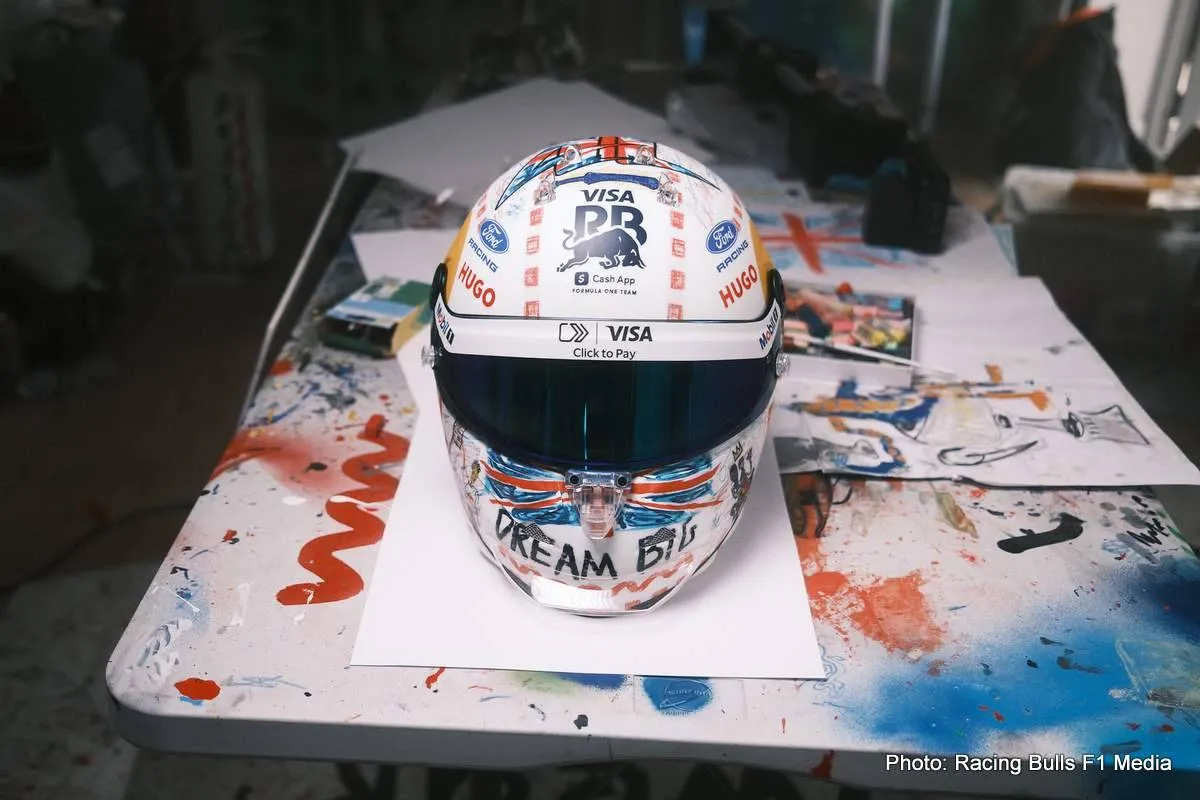
Racing Bulls team principal Alan Permane defended the current Red Bull Racing arrangement, insisting strict processes are already in place to comply with Formula 1 regulations: “I certainly feel the benefit of being part of the Red Bull family and coming under Austria, Red Bull corporate projects group.
“Our relationship with Red Bull Racing is very much a customer supplier relationship. We take some suspension from them, we take gearbox from them, and various other components that are allowed under the technical regulations, which we follow very rigorously.”
Permane stressed that significant internal effort goes into maintaining separation between the two operations: “A lot of work goes into ensuring that we are respecting those rules.
“So, a lot of effort that could be put into other areas, a lot of effort is put into ensuring that we respect those regulations. I don’t see any issue with the way we operate currently," concluded Permane.
Red Bull CEO and F1 Laurent Mekies echoed those sentiments, while also insisting Red Bull would support any future measures aimed at guaranteeing independent competition: “We all want 11 teams racing independently on track.
“We have made many steps as a sport in recent weeks, in recent months, in recent years, to try to ensure more andmore independence from every team racing on track. We don’t think it’s a matter of core ownerships or strategic supply.
“We think there are very many different ways in which teams are collaborating in the pit lane. As I said, power unit supply, gearbox supply, suspension supply, partial ownerships, full ownerships.”
Despite McLaren’s concerns, Mekies insisted: “We are completely supportive to take any further step to ensure that regardless of our strategic partnership or regardless of our ownership structure, that we race independently on track. We feel that is the case today.”
Red Bull’s Minardi takeover changed Formula 1 forever

When Red Bull billionaire and petrolhead Dietrich Mateschitz bought the struggling Minardi outfit in 2005, few could have predicted how dramatically it would reshape the Formula 1 landscape.
The acquisition, announced on September 10, 2005, and completed on November 1 after Australian owner Paul Stoddart sold his stake, gave Red Bull a second Formula 1 operation alongside Oracle Red Bull Racing, which itself had emerged from Jaguar Racing a year earlier.
Minardi had become one of Formula 1’s most beloved underdog teams after joining the grid in 1985. Based in Faenza, Italy, the team survived decades of financial struggle while nurturing young talent and earning respect throughout the paddock despite rarely competing near the front.
For Mateschitz, however, Minardi represented more than a survival project. It became the foundation for a long term driver development programme designed to support Red Bull Racing with emerging talent. A de facto junior team.
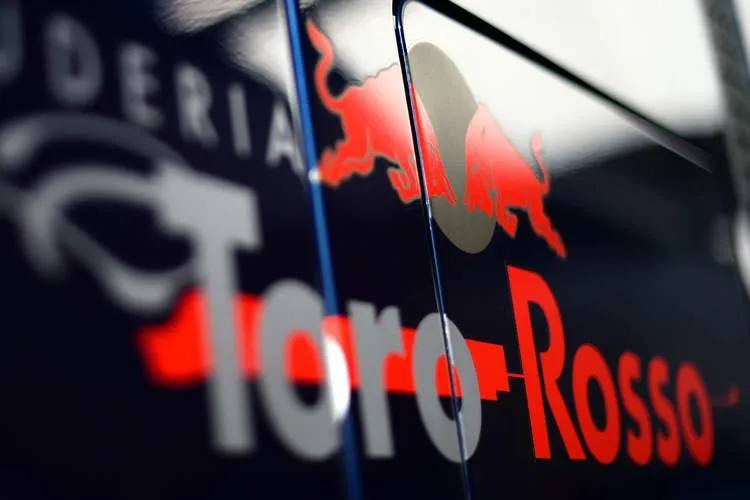
It was rebranded as Scuderia Toro Rosso for the 2006 F1 season, with the Faenza base retained and former Formula 1 driver Gerhard Berger joining initially as a 50 percent shareholder before Red Bull regained full ownership in 2008.
From Scuderia Toro Rosso to Racing Bulls via AlphaTauri

Toro Rosso initially ran customer chassis connected to Red Bull Technology while using Ferrari power units before later switching to Renault engines. The operation quickly became Formula 1’s most visible junior team, developing future stars including Sebastian Vettel.
Vettel delivered the team’s breakthrough moment at the 2008 Italian Grand Prix at Monza, where he secured Toro Rosso’s first pole position and victory in wet conditions, becoming at the time the youngest race winner in Formula 1 history.
The creation of Toro Rosso also strengthened Red Bull’s broader Formula 1 programme during an era when testing and development rules were less restrictive, allowing technical and operational synergies between the two teams.
The Scuderia Toro Rosso brand was shelved and buried to make way for a short spell named AlphaTauri after Red Bull's clothing line, before becoming Racing Bulls
More importantly, it established the blueprint for the dual team structure Red Bull still operates today through Red Bull Racing and Racing Bulls. A model once again under scrutiny amid ongoing debates about multi-team ownership and independence in Formula 1.
(Additional Reporting by Agnes Carlier in Montreal)
(Additional Reporting by Agnes Carlier in Montreal)

Latest News
Loading