Flashback Red Bull billionaire Dietrich Mateschitz buys Toro Rosso in 2005 and why it matters today
F1 HistorySaturday, 23 May 2026 at 11:58
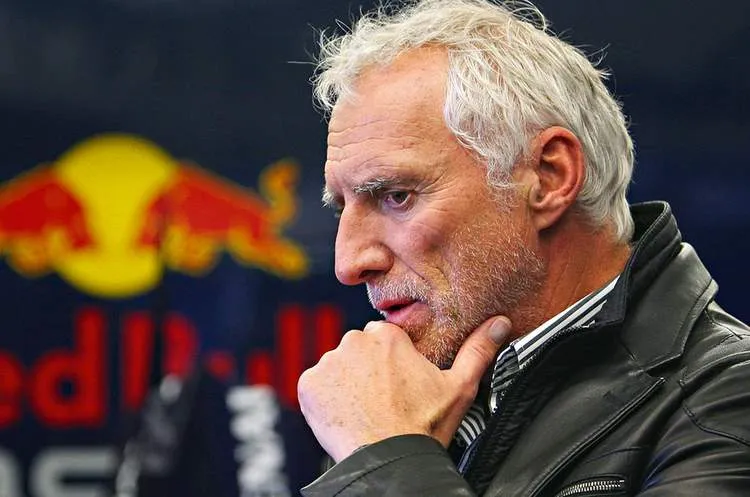
When Dietrich Mateschitz bought Minardi at the end of 2005, Formula 1 changed forever, the Austrian billionaire and Red Bull patriach was no longer content owning one team. He wanted two. One to win World Championships. One to manufacture future champions. Why is it relevant today?
Amid a push to end dual Formula 1 team ownership led by McLaren CEO Zak Brown, who wrote in a letter to the FIA: “We need to eliminate any further alliances, whether through ownership, strategic participation or any other equivalent form of control or influence.
"We need to work together quickly to start the process of unwinding those already established to ensure that the future integrity of the sport is not compromised,” warned Brown last week.
Back in 2005, when Minardi's demise was imminent, word is that the Formula 1 supremo of the time, Bernie Ecclestone, convinced Mateschitz to buy the team because one less would've impacted the grid negatively.
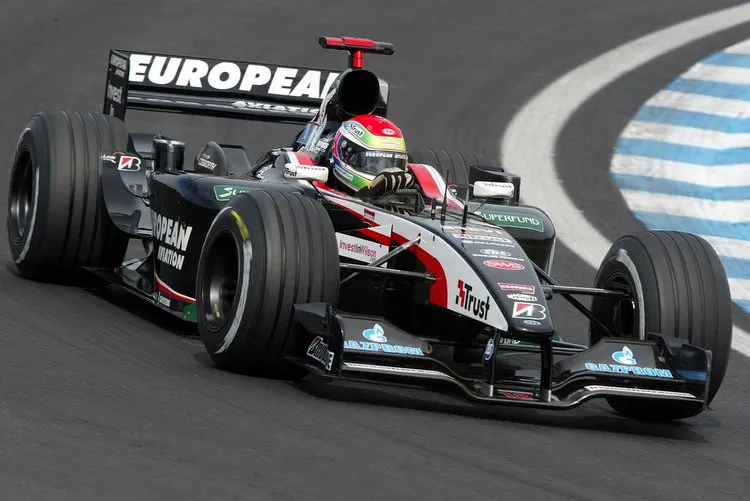
With the purchase of Minardi for around $35 million, Mateschitz became the first man in modern Formula 1 to control two teams simultaneously. Minardi, the beloved underdog of Faenza, disappeared after more than 20 years in Formula 1 and was reborn as Toro Rosso, Italian for Red Bull, preserving the team’s Italian soul while completely changing its destiny.
It was a brutal but brilliant business move. Minardi had survived for decades on passion, grit and miracles. It rarely had money, rarely had pace and almost never had results, but Formula 1 fans loved the tiny Italian outfit because it represented something the modern sport slowly lost: survival against impossible odds.
Mateschitz saw Toro Rosso as a laboratory to develop young drivers

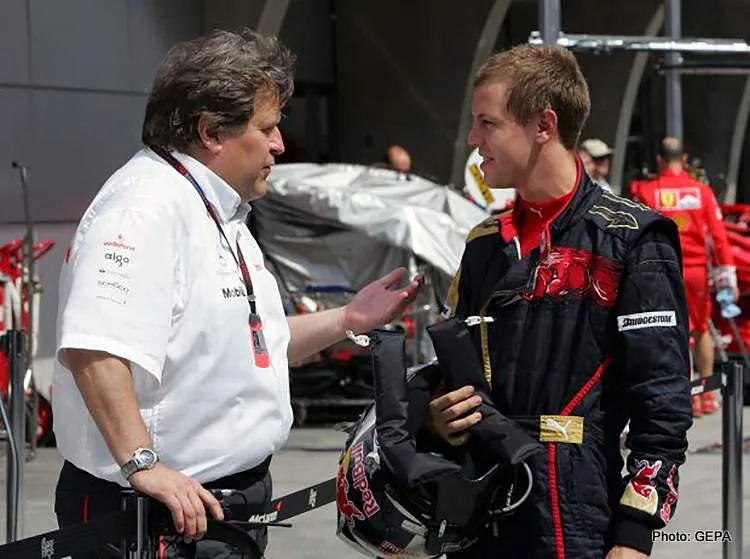
Mateschitz saw something else. He saw a laboratory. Within months, he sold 50% of the team to former Formula 1 driver Gerhard Berger, while Franz Tost was installed as team boss. Toro Rosso immediately became the perfect holding ground for Red Bull’s young driver programme, giving full-time seats to Vitantonio Liuzzi and American rookie Scott Speed.
The early years were ugly. The STR01 was little more than a recycled Red Bull chassis powered by a restricted Cosworth V10 engine, deliberately neutered so it could not embarrass the newer V8 machinery. Toro Rosso were usually nowhere. Liuzzi scored the team’s first point in Indianapolis despite finishing almost last. Speed briefly thought he had scored in Australia before a penalty dropped him out.
But the real story was not the results. It was the philosophy. Toro Rosso existed to discover future generations of drivers.
The 2007 season brought Ferrari power and the arrival of a teenage German named Sebastian Vettel midway through the year after Scott Speed imploded spectacularly. Relations between Speed and Tost deteriorated so badly after the wet Nürburgring disaster that reports emerged of physical confrontation inside the garage. Speed was out. Vettel was in.
Then came Vettel at Monza in 2008

Formula 1 would never look the same again. At Fuji, Vettel stunned the paddock by leading in monsoon conditions before crashing behind the safety car. A week later in Shanghai, Toro Rosso finally showed genuine pace, with Vettel fourth and Liuzzi sixth.
Then came Monza 2008. One of the greatest underdog stories in Formula 1 history. In torrential rain, Vettel dragged the Toro Rosso to pole position and then victory, becoming the youngest Grand Prix winner at the time.
It was not just Toro Rosso’s first win. It was humiliation for the senior Red Bull team because the junior operation from Faenza had won before the main squad. That victory changed Red Bull forever.
Suddenly the junior team was not simply a development programme. It became proof that Mateschitz’s system worked. Vettel graduated to Red Bull Racing and eventually delivered four consecutive World Championships.
Behind him came an endless conveyor belt of young talent: Daniel Ricciardo, Daniil Kvyat, Carlos Sainz, Pierre Gasly, Alex Albon and, most importantly, Max Verstappen.
Verstappen’s arrival in 2015 completed the transformation of Toro Rosso into Formula 1’s ultimate finishing school. At just 17 years old, Verstappen exploded into Formula 1 with fearless overtaking and raw aggression rarely seen in the modern era.
Alongside Sainz, Toro Rosso suddenly had one of the most exciting young pairings in years. The team consistently punched above its weight despite unreliable Renault engines and midfield limitations. Then came the defining Red Bull ruthlessness.
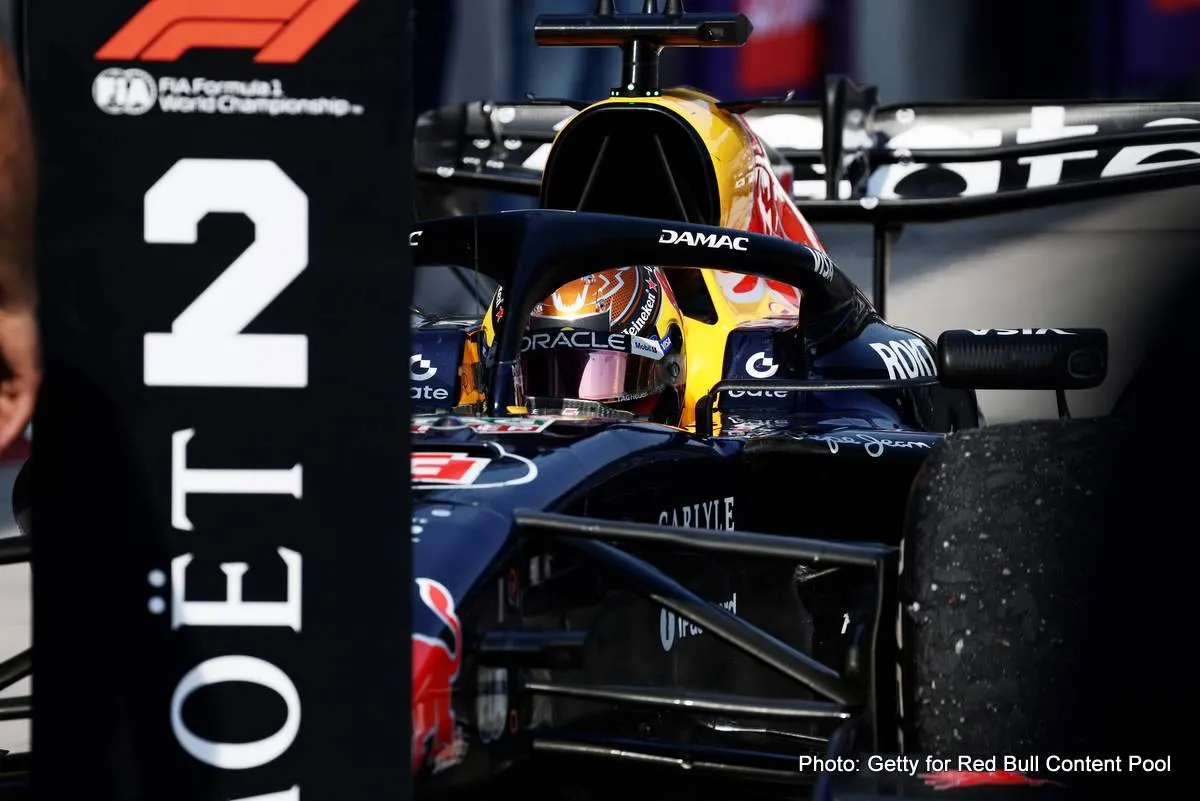
After Vettel, Verstappen continues Mateschitz's dream

In 2016, after just four races, Verstappen and Kvyat swapped seats. Verstappen went to Red Bull Racing and immediately won in Spain. Kvyat returned to Toro Rosso psychologically shattered.
It was savage. It was cold. It was classic Helmut Marko. Through all the chaos, Toro Rosso remained exactly what Mateschitz designed it to be: a proving ground where weakness was punished instantly and talent was rewarded mercilessly fast.
The team constantly changed engines, drivers and identities, surviving unstable regulations and endless midfield warfare. Some drivers flourished. Others disappeared.
By 2019, Toro Rosso delivered another emotional moment when Daniil Kvyat scored a shock podium in Germany and Pierre Gasly produced a sensational second place in Brazil after being dumped by Red Bull earlier that season. It felt fitting.
Toro Rosso had become Formula 1’s island of redemption, pressure and rebirth all at once. Then, in 2020, the Toro Rosso name vanished. Faenza became AlphaTauri, named after Red Bull’s fashion brand. The rebellious spirit of Toro Rosso disappeared beneath corporate branding and marketing strategy. But its legacy remains enormous.
Without Toro Rosso, there is probably no Vettel dynasty. No Verstappen phenomenon. No modern Red Bull empire. What started as the death of Minardi became one of the most influential projects in Formula 1 history.
Mateschitz did not save Minardi. He weaponised it for Red Bull's Formula 1 empire. And that's the problem that Brown has an issue with.
Latest News
Loading