Mattia Binotto says Audi will support modern V8 engines if it is the best solution for Formula 1
F1 Teams NewsThursday, 28 May 2026 at 14:29
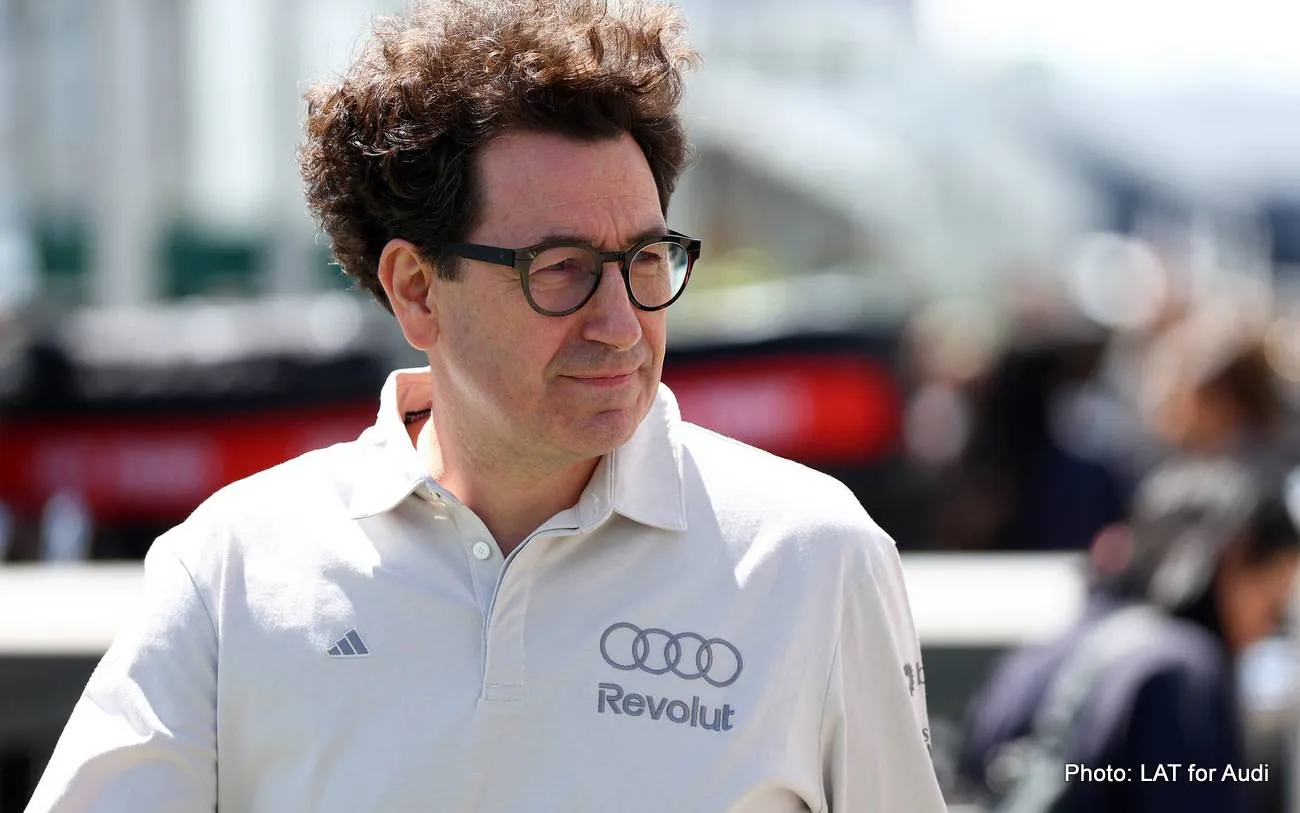
Audi Formula 1 CEO and team principal Mattia Binotto says the German manufacturer is open to supporting a return to V8 engines if it proves to be the best direction for the sport, despite entering under the current 2026 hybrid power unit regulations.
The comments come amid ongoing controversy surrounding Formula 1’s new generation engines, which rely on a 50/50 split between internal combustion and electric power, a formula many drivers, engineers and insiders fear could lead to excessive energy management and lift and coast racing.
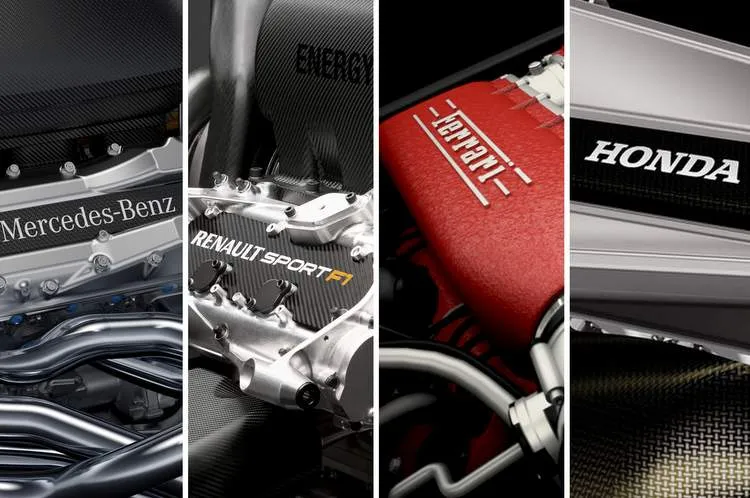
FIA President Mohammed Ben Sulayem has repeatedly floated the idea of cheaper, lighter and louder V8 engines for the next rules cycle beyond 2030, and Binotto indicated Audi would not stand in the way of such discussions.
Speaking on Beyond the Grid, Binotto insisted Audi remains committed to Formula 1 long term and would engage constructively in any future engine debate: “Certainly Audi will be collaborative to the discussion.
"Audi is part of Formula 1 and is willing to remain in Formula 1 for long.” So certainly we will be part, and I would say a proactive, positive part of the discussion, making sure that we identify and define the proper regulation for the future," declared the Audi F1 boss.
Audi officially entered Formula 1 as a works manufacturer under the 2026 rules package, building its own power unit at Neuburg while transforming Sauber into the Audi factory operation based at Hinwil.
Formula 1 will remain the pinnacle of the technology

While some critics argued manufacturers like Audi and Honda would resist any move away from hybrid technology after investing heavily into the current regulations, Binotto suggested the bigger issue may ultimately become cost rather than cylinder count.
“Formula 1 will remain the pinnacle of the technology because that's part of the DNA,” said Binotto. “Whether the format is V6 or V8, I don't think that's somehow a detail.”
“At the end, certainly for Audi, high efficiency engines are important. But on the other side, and I think that's one of the elements of the FIA president's proposal, we need to reduce the cost of the power unit.”
The cost of the 2026 engines has become a growing concern inside the paddock, with teams and manufacturers privately worried about escalating development budgets tied to increasingly complex hybrid systems and battery deployment strategies.
Even before the new regulations debuted, concerns emerged over the racing product itself, particularly around energy harvesting, deployment limitations and the possibility of cars running out of electrical energy on long straights.
Binotto: We'll be supportive to a constructive discussion

Formula 1 has already discussed emergency tweaks to the 2026 regulations after simulations raised fears of excessive lift and coast scenarios at power sensitive circuits such as Monza, Jeddah and Las Vegas.
Binotto acknowledged Audi also sees cost reduction as a priority going forward: “Even as a big corporate, Audi, we are sensitive to the cost and reducing the cost,” he admitted. “We see that as a positive approach to the next regulation.”
“As I said, again, we'll be very open to the discussion. We'll be supportive to a constructive discussion and I don't think that today there is anything which will stop us from being part in the future.”
Binotto's comments are significant because Audi was viewed as one of the manufacturers most committed to the electrified future of Formula 1, with the 2026 regulations originally helping attract the German marque into the sport.
But as debate intensifies over whether Formula 1 has leaned too heavily into electrical dependency at the expense of racing spectacle, Binotto’s position suggests Audi may ultimately prioritise the overall health of the sport over strict adherence to one engine philosophy.
Latest News



Loading