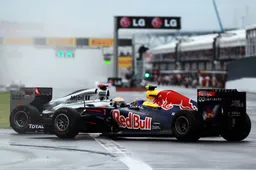
Formula 1 Sponsors and the business of speed: how commercial partners drive motorsport innovation
F1 Teams NewsWednesday, 29 April 2026 at 01:08
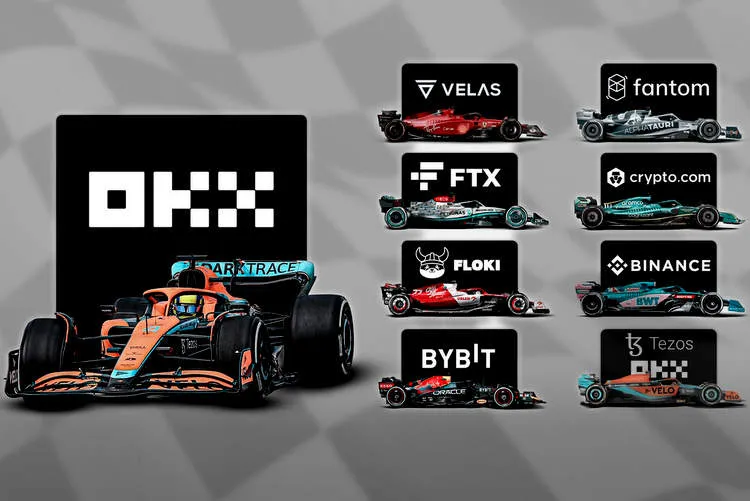
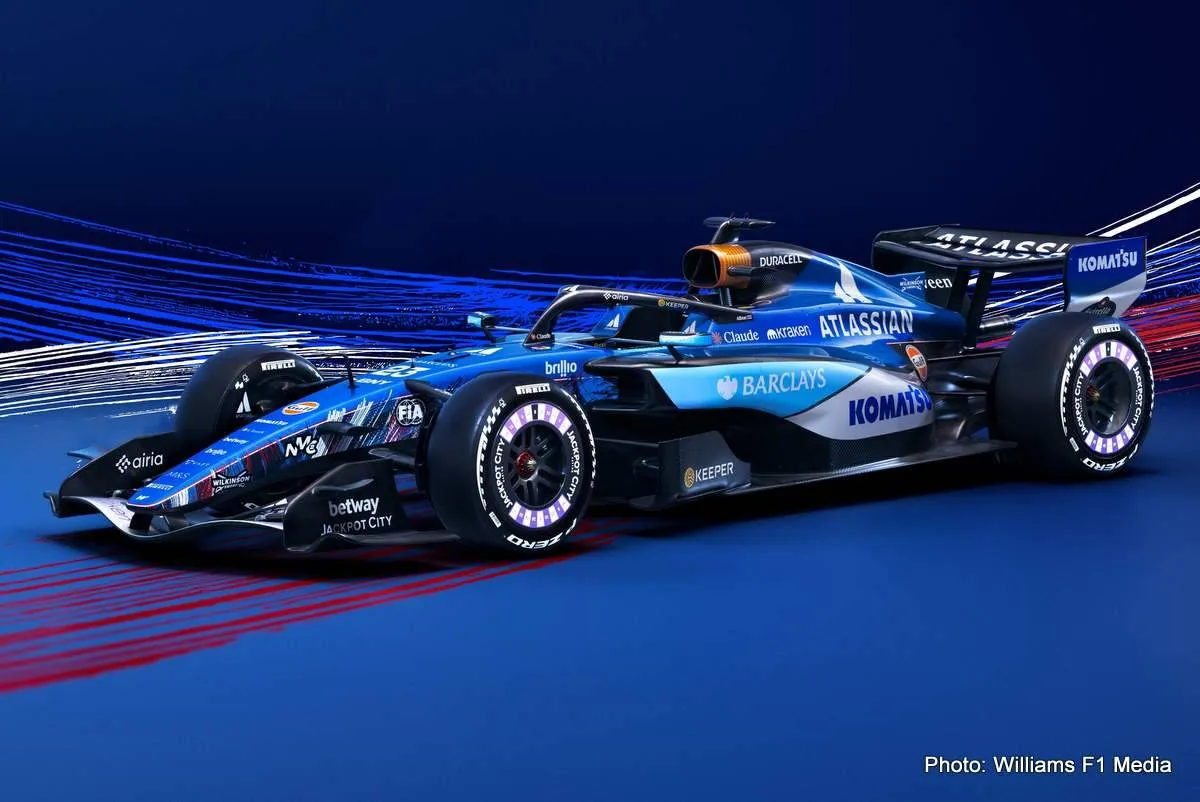
Formula 1 runs on fuel, data, and money in roughly that order. Behind every podium finish, every aerodynamic breakthrough, and every millisecond shaved off a lap time, there is a web of commercial partnerships that make it all possible.
F1 sponsors are no longer passive
backers; they are active participants in one of the most competitive
engineering environments on the planet. Understanding how that relationship
works reveals as much about modern business strategy as it does about
motorsport.
| Topic | Key point |
| Sponsorship evolution | From logo placements to deep technology partnerships |
| Market size | Total F1 sponsorship value set to exceed $2.9 billion |
| Dominant sector | Technology leads with 22% of all team partnerships |
| American influence | Over a third of new deals now originate from U.S. companies |
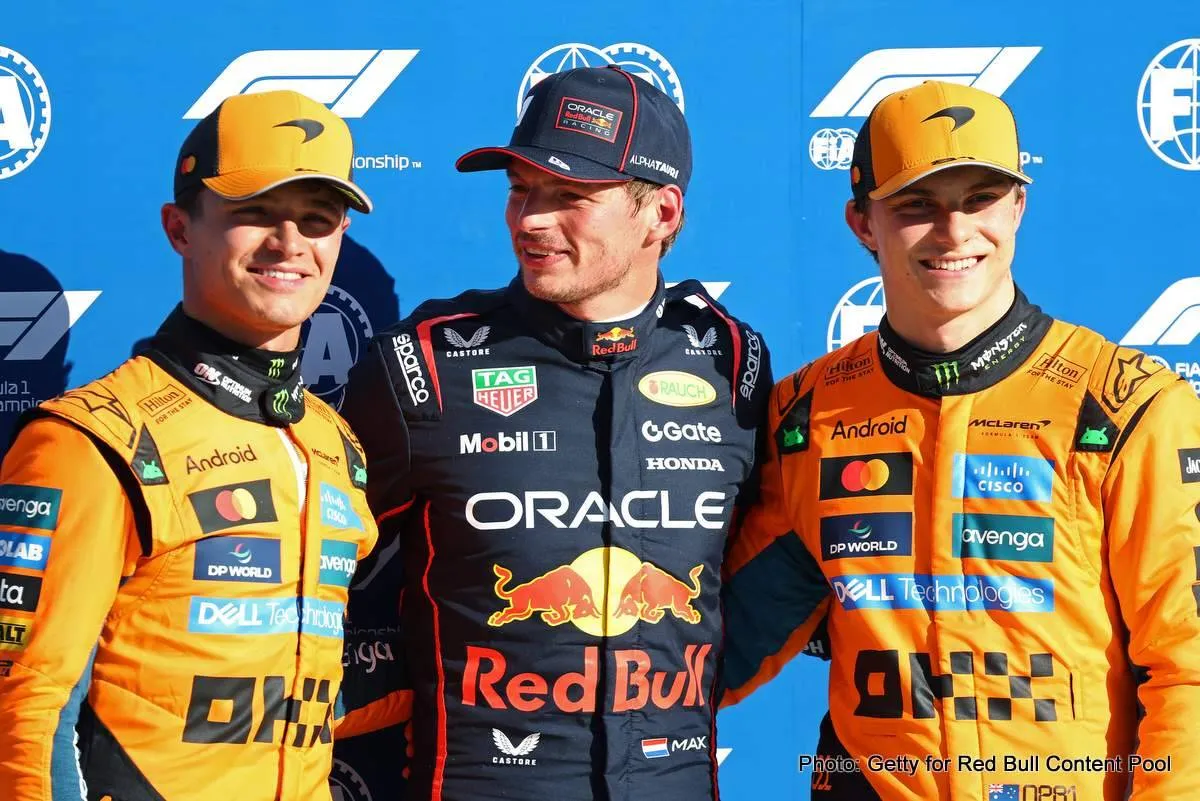
| Tech enablement | Sponsors like Oracle, Google and HP directly shape on-track performance |
| New entrants | Luxury, fintech and crypto reshaping the sponsorship landscape |
| Regulatory friction | Local advertising laws creating naming conflicts at certain circuits |
| Sponsor ROI | Global reach, young audience, year-round digital activation |
From logo to laboratory: how F1 sponsorship evolved
For most of F1's history, sponsorship was a
straightforward exchange: a logo on a car, visibility on television. That model
still exists—but it now sits beneath something far more substantial. Title
sponsorship in F1 is no longer simply a media buy: partners contribute cloud
infrastructure, data tools, payment systems, and engineering expertise directly
into team operations.
The shift accelerated as Liberty Media
broadened F1's audience through digital platforms, attracting a generation of
fans who engage with the sport year-round rather than race-by-race. Sponsors
followed—and found an environment uniquely suited to demonstrating what their
products actually do under real competitive pressure.
The numbers behind the partnership boom
The scale of F1's commercial ecosystem is
often underestimated, even by those who follow the sport closely. Across the
ten teams and the championship itself, the concentration of global brands now
rivals the Olympics and the FIFA World Cup in terms of sponsorship density. The
financial stakes reflect that status.
A $2.9 billion ecosystem
According to Ampere Analysis, the total value
of F1 sponsorships across teams and the championship is set to exceed $2.9
billion. Technology leads all categories, with 72 partners across the ten teams
representing 22% of total partnerships, followed by finance and professional
services at 16%. McLaren leads the grid with over 50 active partners—a
portfolio broad enough to reduce dependency on any single sector while giving
the team access to operational tools that directly feed into competitiveness.
The American pivot
More than a third of new sponsorship deals now
originate from U.S. companies—a direct result of Liberty Media's strategy to
establish F1 as a mainstream sport in North America, reinforced by the addition
of races in Las Vegas, Miami, and Austin. For Canadian audiences in particular,
this shift has made F1 commercially closer than it has ever been. The sport's
fan base here skews young and digitally engaged, which explains why brands
across sectors—including entertainment and online
gaming platforms in Canada—now treat F1 as a credible awareness
channel.
Tech partners as performance enablers
The most significant development in F1
sponsorship over recent years is the degree to which technology partners now
directly influence what happens on track. These are not companies buying
advertising space—they are providing the tools teams use to design, simulate,
operate, and improve their cars across a 24-race calendar.
Data, AI and the race within the race
AWS collaborates with F1 on machine learning
tools that generate real-time broadcast insights—overtake probabilities, tyre
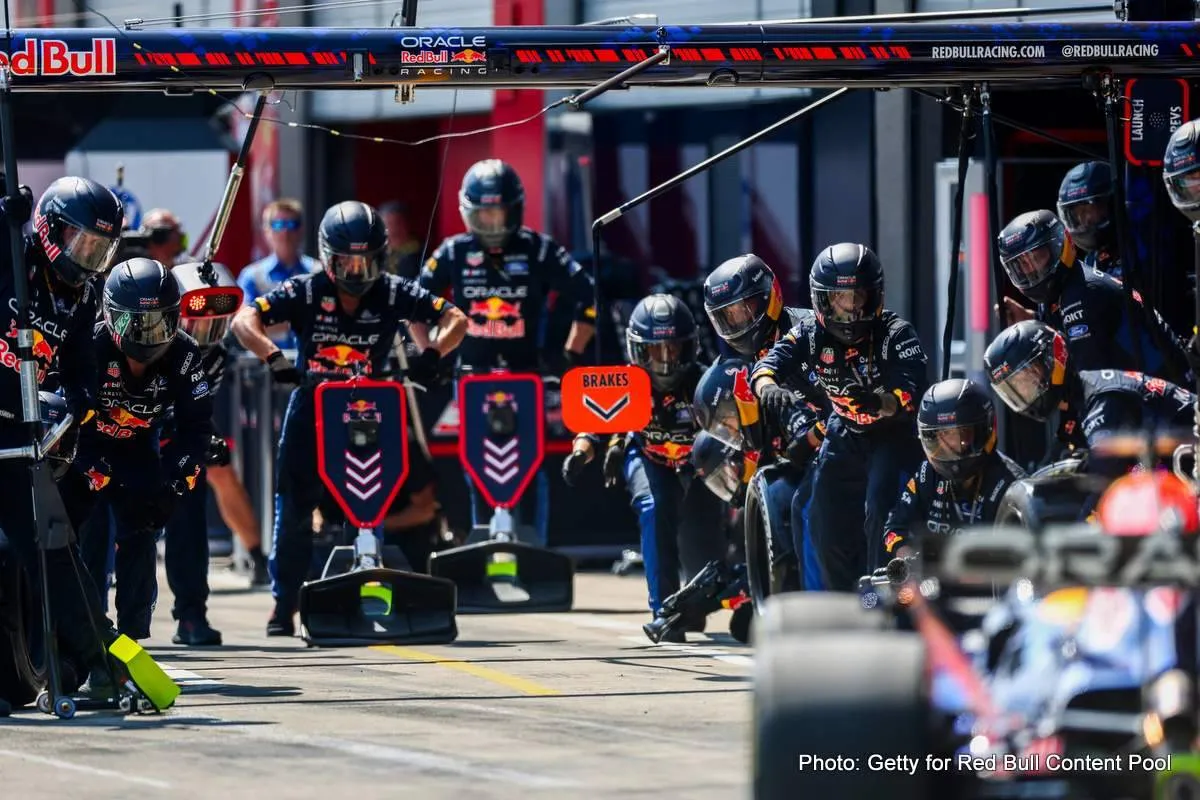
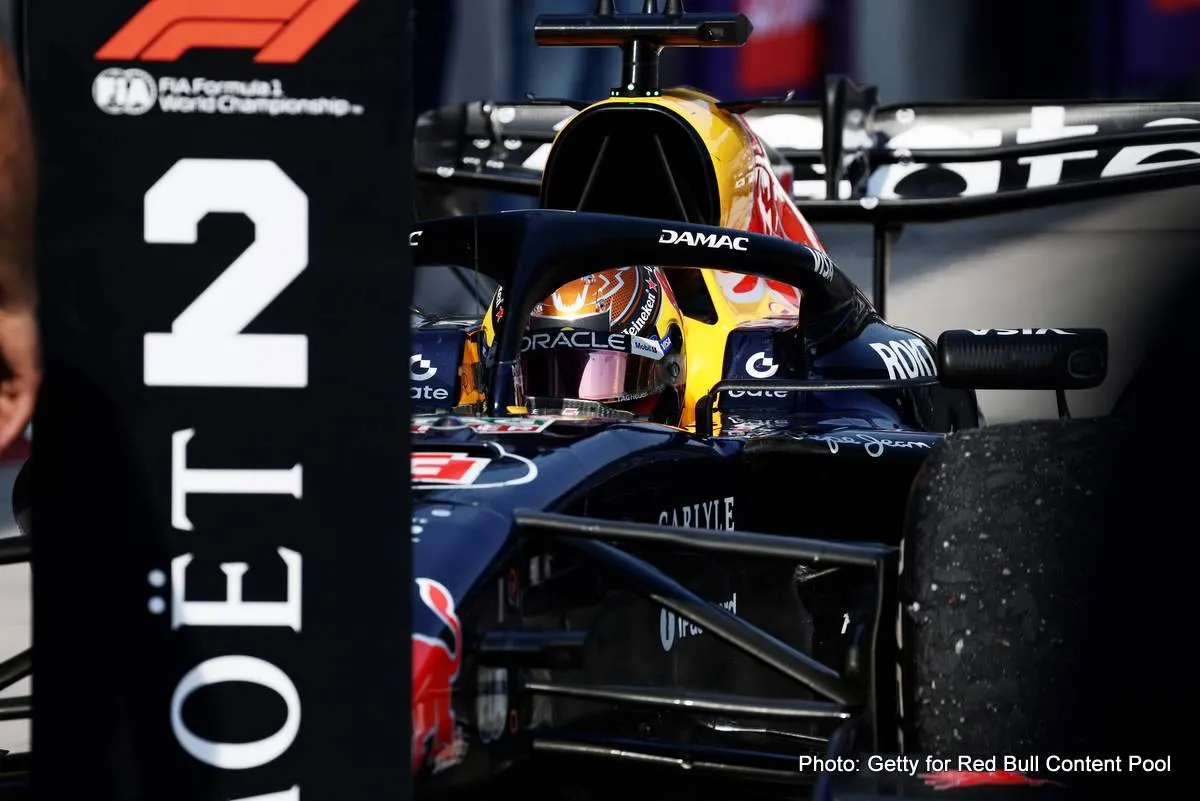
models, and live performance comparisons. Oracle powers Red Bull Racing's
strategy platform, increasing the volume of race simulations the team can run
each week. McLaren's Google partnership puts Chrome and Android tools into
garage operations, connecting pit wall engineers with remote analysts in real
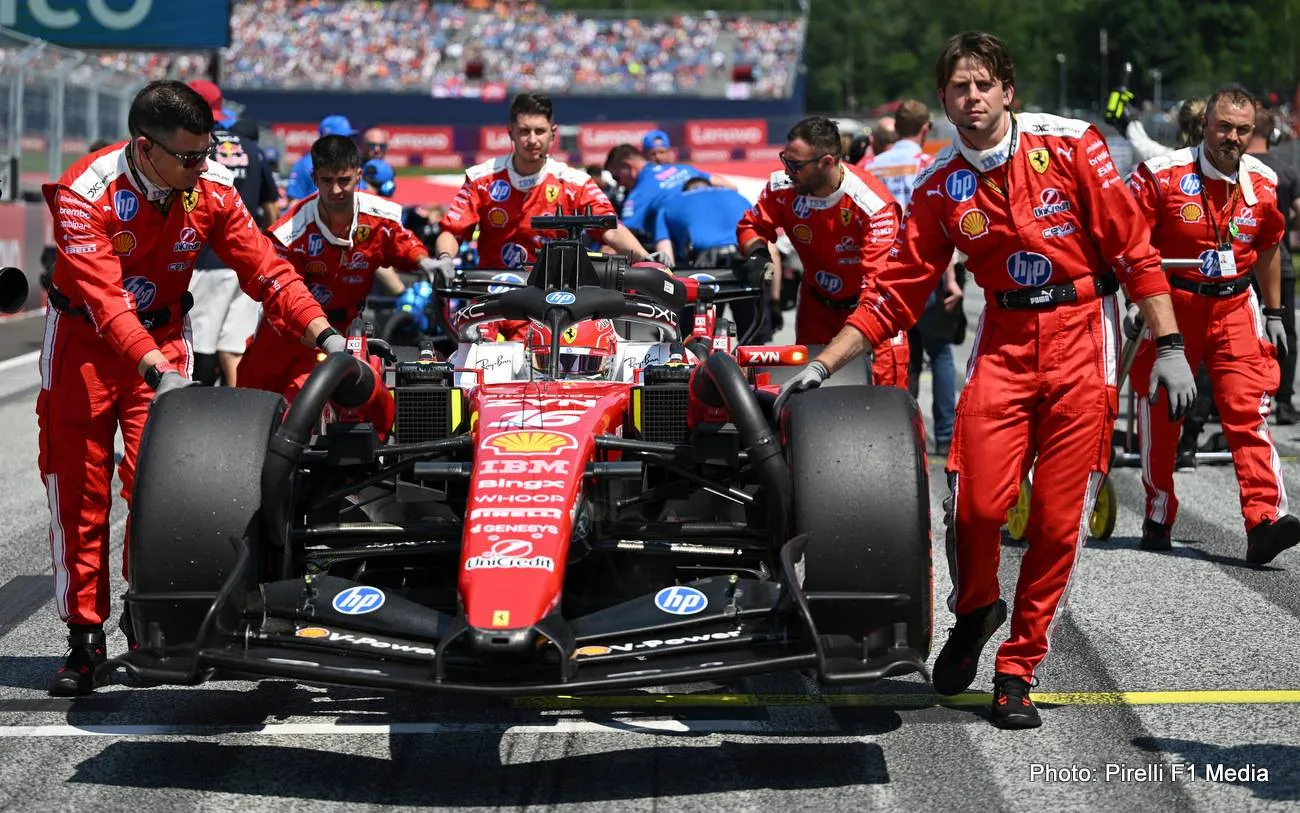
time. Ferrari's deal with HP extends into hardware collaboration and fan
content, making the sponsor's contribution visible both in car development and
in the team's media output.
Sustainability as a sponsorship narrative
Several F1 sponsors are using the platform to
reframe their brand around environmental responsibility. AWS supports F1's Net
Zero Carbon goal for 2030 through cloud efficiency commitments. Aramco funds
research into synthetic fuels that feed directly into F1's engine regulations
roadmap. Heineken has built its F1 activation around Heineken 0.0, turning
"When you drive, never drink" into one of the sport's most consistent
responsible consumption messages. In each case, the sponsorship works because
the sport's values—precision, innovation, and safety—lend credibility to claims
that would carry less weight in a conventional advertising context.
New money, new sectors: who's entering F1
The composition of F1's sponsorship base has
shifted considerably as the sport's audience has broadened. Sectors that barely
featured a decade ago now represent some of the largest deals on the grid. Two
stand out for the scale and strategic significance of their recent commitments.
Luxury: the LVMH deal as a turning point
LVMH's agreement with Formula 1 is among the
clearest signals of the sport's expanded appeal. The 10-year, billion-dollar
partnership brings Louis Vuitton, TAG Heuer, and Moët Hennessy under a single
umbrella deal—combining a heritage watchmaker already embedded in F1's history
with two brands for whom the sport's global reach and association with
precision craftsmanship represent a natural fit.
Fintech and crypto: the sport's new financial backbone
Fintech investment in F1 now surpasses $500
million annually. The Visa Cash App RB team—the first dual-fintech title
sponsorship in the sport's history—illustrates how far the category has come.
Visa covers branding and corporate hospitality; Cash App targets instant
payment promotion across North America and Europe. Santander's long-running
deal with Ferrari follows the same logic: F1's audience is young, comfortable
with digital financial products, and concentrated in the markets where fintech
competition is most intense.
The risks and limits of the sponsorship model
Growth at this pace brings structural
tensions. Gambling and crypto sponsorships have created friction with local
advertising rules at certain circuits—the Sauber team has had to modify its
Stake F1 livery for races in markets where gambling promotion is restricted.
Category concentration is a parallel concern: with technology at 22% and
finance at 16% of all partnerships, a downturn in either sector would create a
revenue gap that few alternative categories could fill quickly.
Beyond race day: what sponsors actually get
The return on investment in F1 sponsorship
extends well beyond what is visible during a two-hour race broadcast. For
teams, a title partner brings financial predictability that enables multi-year
planning, sustained engineering investment, and the ability to attract senior
technical talent — advantages that compound over time and contribute directly
to competitiveness.
For sponsors, the value proposition breaks
down across several dimensions:
●
Audience scale and quality: F1
reaches over 1.35 billion viewers globally, with approximately 65% under the
age of 35—a demographic profile that few sports can match at this level of
global reach
●
Year-round activation: with 24
races across five continents, plus testing, launches, and digital content,
sponsors have consistent touchpoints throughout the calendar
●
First-party data access: digital
partnerships with teams provide access to fan engagement data that supports
targeted marketing well beyond the sport itself
●
B2B hospitality: race weekends
remain among the most effective environments for high-value corporate
entertainment, with paddock access functioning as a currency in its own right
●
Technology transfer credibility:
for tech companies, especially, a working partnership with an F1 team functions
as a proof of performance that no advertising campaign can replicate
What distinguishes the most successful F1
sponsorships is not the size of the logo on the car. It is the depth of
integration between the sponsor's product and the team's operation—and the
clarity of the story that integration allows both parties to tell.

Latest News


Loading