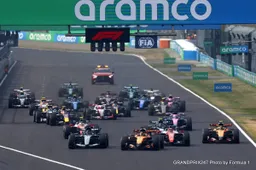
Peter Windsor: 2026 Formula 1 cars slower than 1970s machinery through Suzuka Esses
F1 OpinionThursday, 02 April 2026 at 08:30
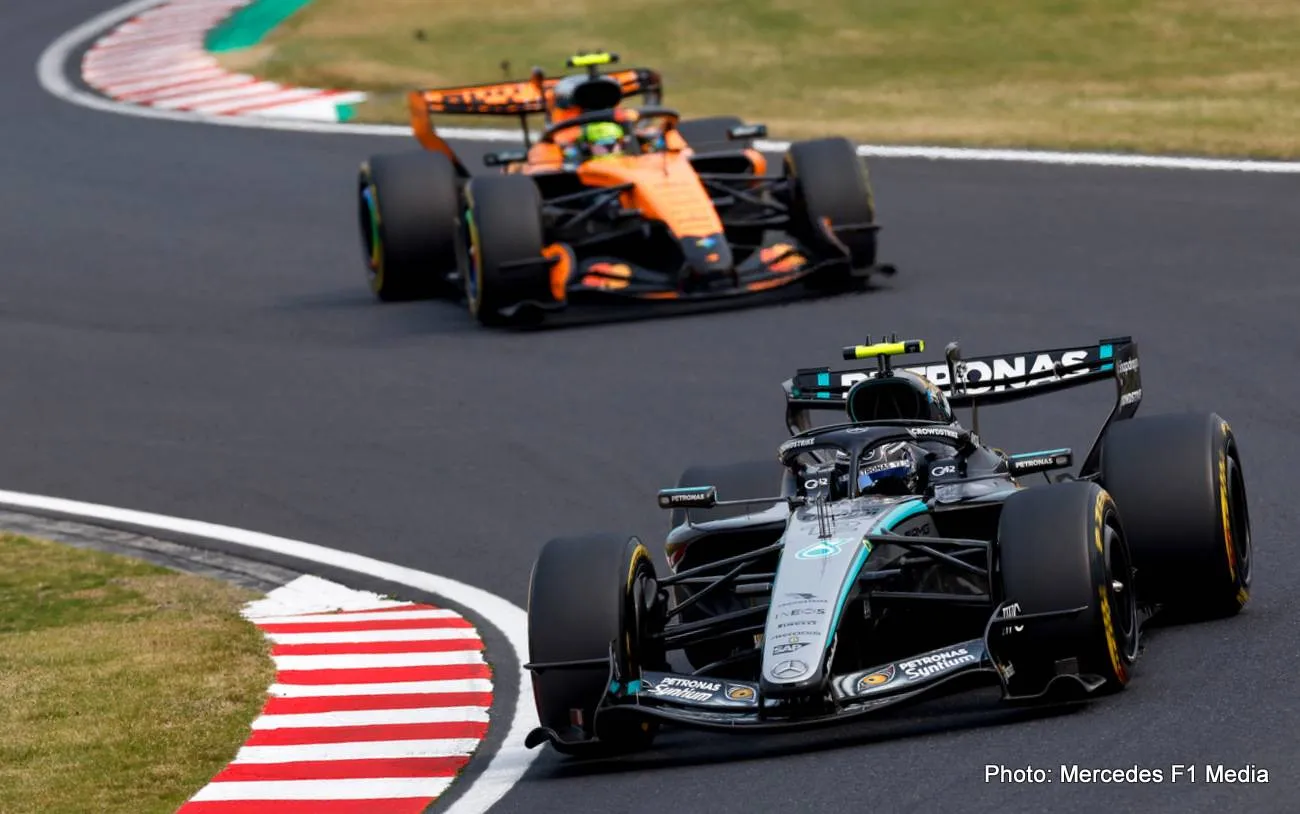
Outspoken critic of the 2026 Formula 1 regulations, motorsport veteran Peter Windsor has delivered another scathing assessment, claiming the sport's most advanced cars are now effectively slower than 1970s machinery in key sections of the track.
The criticism follows the Japanese Grand Prix at Suzuka, where energy management, reduced deployment, and dangerous speed differentials again exposed the weaknesses of the current rules package. Several drivers, Max Verstappen in particular, have voiced frustration with the direction of Formula 1, with Windsor questioning the very identity of the sport.
Speaking to Cameron-CC after the Suzuka weekend, Windsor gave his take on what Round 3 of the 2026 F1 World Championship: “I’m still very confused by the whole thing. I’m actually a bit depressed this morning, to be honest. I WhatsApped a mate of mine because I don’t think it was evident over the weekend, but it now seems pretty clear.
"I’ve spoken to a few engineering sources within teams, and they’re all basically saying that in Sector 1 at Suzuka, they were using very little, if any, electric power as part of the power unit. Which means, of course, they were relying on the internal combustion engine in Sector 1 because they were so paranoid about not having enough electrical energy for the rest of the lap.
"So Sector 1, they presumably thought, is limited by speed through the Esses anyway. That would be a good place to sacrifice electric power and make sure they had everything for the run out of Turn 9, out of the hairpin, and down the back straight.
"But do you realise what that means? That means, if it’s true, and I suspect it is because I’m hearing it from multiple sources, that the Grand Prix car of 2026, in theory the most advanced Grand Prix car of all time, is now producing through the Esses in Sector 1 about 550 horsepower," lamented Windsor.
Fundamental disconnect exposed at Suzuka

Windsor pointed out: "That isn’t much more than a Cosworth DFV used to produce. In fact, it’s probably about the same. And those cars weighed around 550 kilos from memory, back at the end of the Cosworth era. Now we’re at around 700 to 750 kilos. So they are probably slower. The cars are probably slower through Sector 1 at Suzuka.”
Despite the visual spectacle, he questioned what has been lost beneath the surface: “Now, you could argue, and this is why I’m a bit depressed and confused, that you couldn’t really see that on TV and it still looked pretty cool through the Esses. Not a lot of overtaking there, but it looked fine.
"But where are the demands on the drivers? When a Grand Prix car is that slow through such a great section of circuit, what is it all about? That’s really my main takeaway from Suzuka. What is it all about?”
Windsor pointed to a growing disconnect between modern Formula 1 and its historic benchmark, where driver skill and mechanical challenge once defined the sport: “I’ve never really had to ask myself that question before because I’ve always been able to relate modern Formula 1 to something from the past.
"You could look at Fangio drifting through the Esses at Rouen and connect that to what we see today. In a perfect world, you’d relate it to Kimi Antonelli winning two races in a row. I mentioned yesterday, it reminded me of Nigel Mansell winning his first races, but he was driving a 900-horsepower Williams-Honda.
"Brands Hatch, especially the bumpy version, was far more demanding than what we’re seeing now. And that’s the problem. I can’t reconcile it in my brain yet. Maybe I will eventually, but right now I find the whole thing incredibly difficult to understand.”
Overtaking lost and risks increasing

Windsor also warned that the changes are not only affecting performance but are actively damaging racing quality and safety: “When you think these cars are effectively slower than a 1970s Cosworth Formula 1 car in terms of power-to-weight ratio through the Esses at Suzuka, and probably slower than a modern Super Formula car, you really have to wonder."
Windsor explained: "If you’re not confused, you’re not looking deeply enough. You can look at Formula 1 superficially and count overtakes, but that’s not the whole story. And the other thing, if I’m allowed a second point, is that one of the major overtaking opportunities at Suzuka, into the chicane after 130R, has effectively gone.
"People say there were passes there, but to make a move, you then got blown away down the pit straight into Turn 1. So it nullifies that passing opportunity and removes the skill element of positioning the car through 130R to attack into the chicane.
"It used to be a place where drivers could brake a bit later or outthink the opponent. Now it’s governed by energy deployment and harvesting. That whole element has gone. And at a time when people are clamouring for more overtaking, we’re actually neutralising one of Suzuka’s key overtaking zones. I don’t get it. I just don’t get it," declared Windsor, summing up the sentiments of many.
The concerns raised by Windsor reinforce a growing sentiment across the paddock and media, including the team on GRANDPRIX247, that the 2026 regulations have created a fundamental imbalance, where efficiency has come at the expense of performance, racing quality, and driver influence, leaving Formula 1 facing uncomfortable questions about its future direction.
Watch the full interview on Cameron-CC YouTube Channel


Latest News
Loading