The cost of Formula 1 engines over the years, the good the bad and the ugly
F1 HistoryTuesday, 10 March 2026 at 15:03
Formula 1 engines, now officially called Power Units or PUs, have evolved dramatically since the 1970s. With the 2026 offerings in the spotlight, it is worth revisiting the past for lessons.
Formula 1 engine regulations have gradually shifted from chasing pure horsepower to prioritising reliability, efficiency, sustainability and cost control. The financial scale of these programmes has followed the same trajectory, growing from relatively modest mechanical projects to some of the most expensive engineering projects in global sport.
During the 1970s the grid was dominated by the Ford Cosworth DFV 3.0 litre V8. Producing roughly 450 to 500 horsepower, it became the backbone of customer racing and allowed independent teams to compete with manufacturers.
A new DFV engine in the early 1970s cost around $20,000 (about $150,000 today). By the early 1980s the price had climbed to roughly $40,000 (about $140,000 today). Teams often used several engines during a season with virtually no allocation limits. Development spending remained modest, measured in the low millions rather than hundreds of millions.
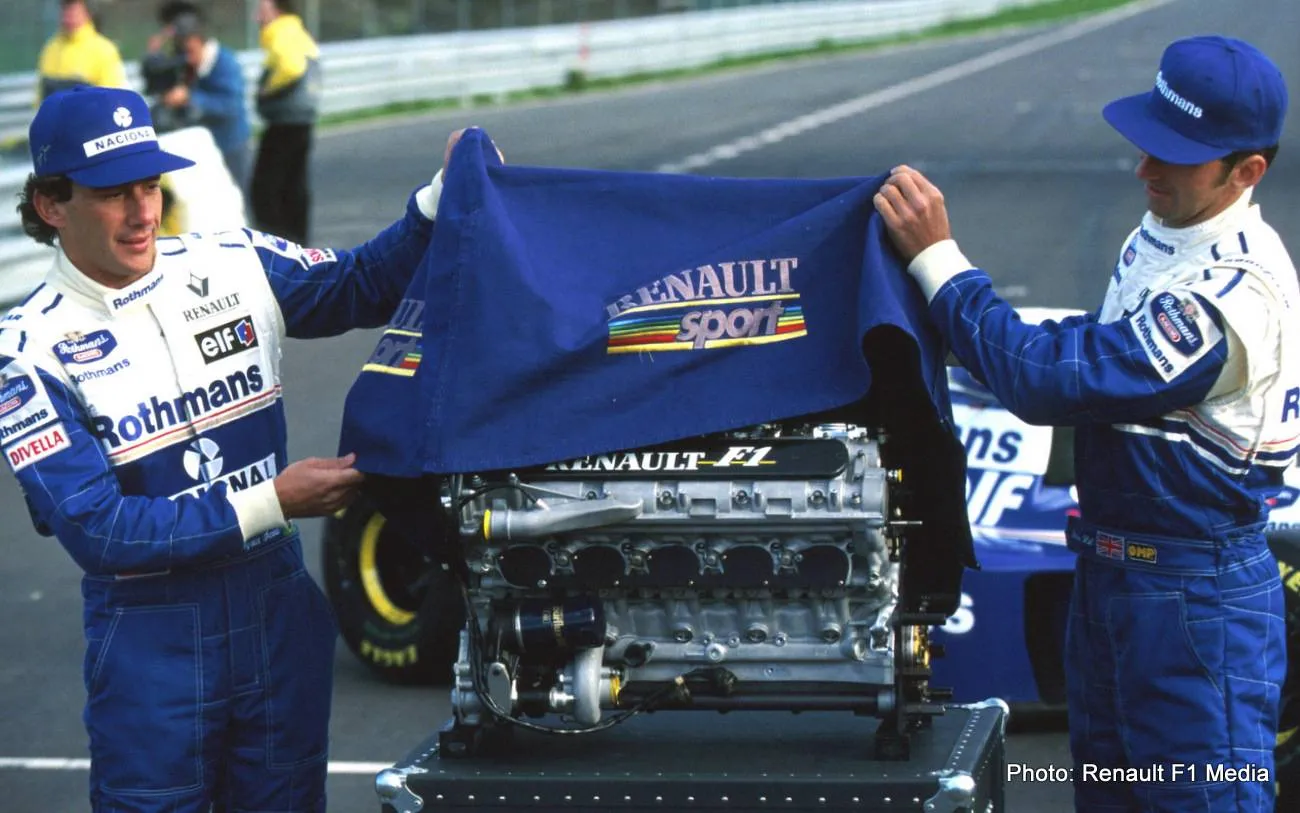
The arrival of 1.5-litre turbo engines in 1977 triggered the first major cost explosion in Formula 1 engine development. Manufacturers such as Renault, BMW and Honda pursued extreme boost levels that pushed qualifying outputs beyond 1,400 horsepower.
Expensive turbo power and the V10 golden era

By the mid 1980s, a single turbo engine could cost roughly $200,000 to $300,000 (about $650,000 to $950,000 today). Full manufacturer development programmes were estimated at $100-million to $200-million across the decade (roughly $300 million to $600 million today). These escalating costs contributed to the FIA banning turbos after 1988.
Formula 1 returned to naturally aspirated engines in 1989 with 3.5 litre units before shifting to 3.0 litre engines in 1995. The V10 quickly became the dominant layout, producing close to 1,000 horsepower by the early 2000s.
Individual engines during this period cost roughly $500,000 to $1-million (about $900,000 to $1.7-million today). Manufacturer development budgets regularly exceeded $100 million per year (about $190-million today). Teams often used more than a dozen engines per season before stricter durability rules arrived.
In 2006 the FIA introduced the 2.4-litre V8 formula producing about 720 to 800 horsepower. Development was largely frozen from 2007 onwards to curb spending.
Each engine was estimated to cost around $1-million to $2-million at the time (about $1.5-million to $3-million today). Drivers were limited to eight engines per season, forcing teams to prioritise reliability rather than constant performance upgrades.
Hybrid era transforms the financial scale

The biggest technological shift arrived in 2014 with the introduction of the 1.6-litre turbo hybrid power unit, combining the internal combustion engine with complex energy recovery systems.
Development spending skyrocketed. Mercedes alone reportedly invested about $1.4-billion between 2014 and 2020 (about $1.6-billion today), building its dominant hybrid programme. Ferrari and Honda invested similar amounts.
A single hybrid power unit today is valued at roughly $10-million to $15-million, depending on the accounting method. Customer teams pay around €12-million to €15-million per season for supply, roughly $13-million to $16-million today.
While these professional power units remain far beyond the reach of privateers, enthusiasts and club-level competitors can still access elite engineering by sourcing high-performance components and specialized motorsport gear from retailers like Race & Rally, who help bring professional standards to a broader range of racing disciplines.
From 2026 Formula 1 retains the 1.6 litre turbo V6 architecture but removes the expensive MGU H system while boosting electrical power through a much stronger MGU K. The sport will also switch to fully sustainable fuels.
To control spending, the FIA introduced a dedicated power unit cost cap of $95-million per year, rising to $130-million from 2026 to accommodate the new development cycle.
Even under strict cost cap limits, Formula 1 engines remain among the most sophisticated powertrains ever created, transforming the sport from a relatively affordable mechanical machine to a billion-dollar engineering and electrical quagmire.

Latest News



Loading