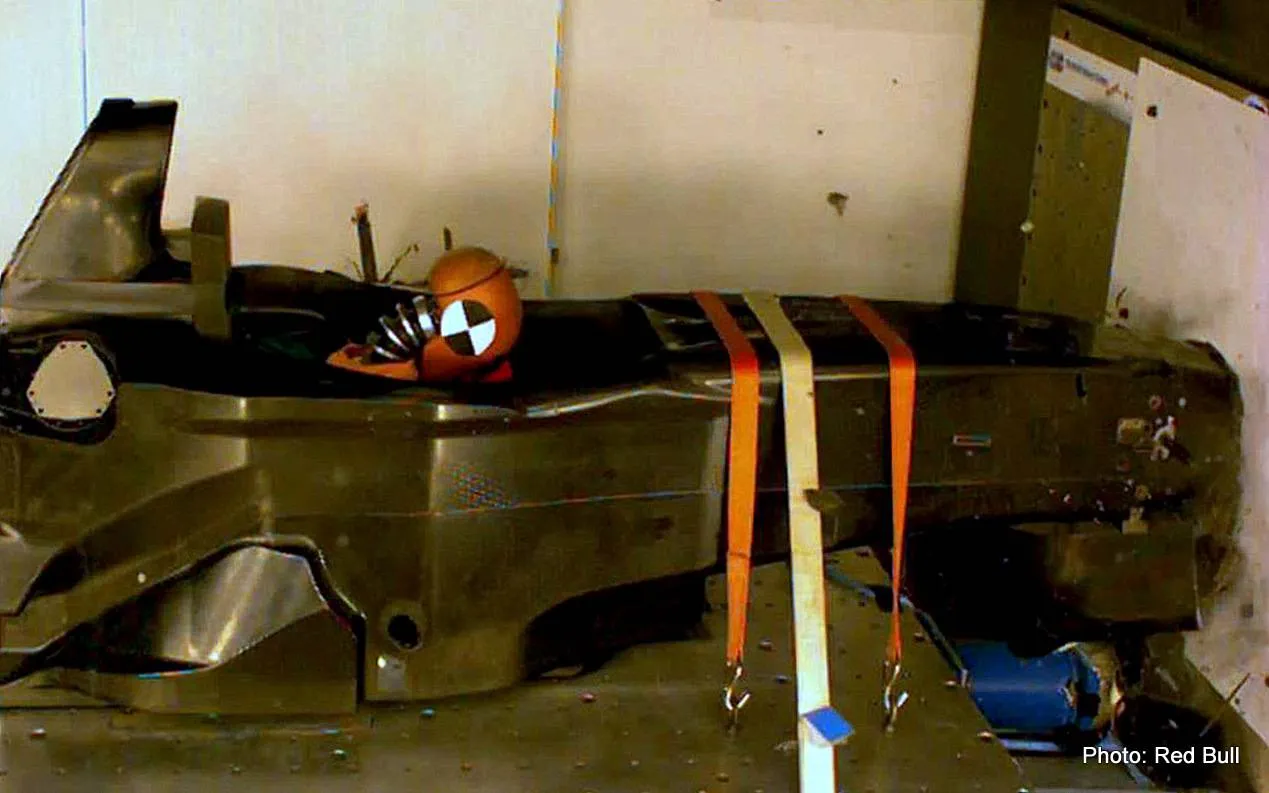
Formula 1 crash investigations help improve road safety by showing engineers and safety experts exactly what happens during high-speed impacts.
Data collected after an accident often leads to better vehicle designs, stronger protective systems, and smarter emergency response procedures that can benefit everyday drivers.
Modern racing places a tremendous emphasis on learning from collisions rather than simply documenting them. Every incident provides valuable information about vehicle behavior, driver protection, and track conditions that can influence future safety innovations.
Lessons from motorsports are not limited to professional racing. Understanding how crash forensics work can help motorists appreciate the importance of vehicle safety features and know what to do if they are involved in an accident.
Crash Documentation and Post-Impact Steps
Gathering accurate information after a collision is one of the most important parts of any investigation. Drivers looking for guidance on documenting an accident, understanding liability, and navigating potential claims may find helpful information by consulting a Phoenix car wreck attorney familiar with local laws and procedures.
Proper documentation can preserve critical evidence while supporting insurance or legal processes. Taking organized steps immediately after a crash often makes it easier to reconstruct events later.
Important actions may include:
- Photograph vehicle damage
- Record road conditions
- Exchange contact information
- Identify witnesses
- Seek medical evaluation
Keeping calm and gathering accurate information can make a significant difference after an incident.
Telemetry Helps Investigators Understand Crashes

Formula One cars collect enormous amounts of performance data during every lap. Sensors monitor speed, braking, steering inputs, and numerous other variables that investigators can analyze after an accident.
Reviewing telemetry allows engineers to reconstruct events with remarkable precision. Instead of relying solely on eyewitness accounts, analysts can examine objective measurements to understand what occurred before impact.
Key data points often include:
- Vehicle speed
- Brake pressure
- Steering angle
- Throttle position
- Impact timing
Combining multiple data sources creates a clearer picture of how accidents unfold.
Energy Absorption Improves Occupant Protection

One major lesson from Formula One involves controlled energy absorption. Rather than preventing damage entirely, engineers design certain structures to deform in ways that reduce forces transmitted to the driver.
Passenger vehicles follow similar principles through crumple zones and reinforced occupant compartments. Carefully engineered deformation helps dissipate crash energy while protecting those inside the cabin.
Safety-focused design features include:
- Crumple zones
- Reinforced frames
- Side impact beams
- Airbags
- Seat belt systems
Working together, these components improve survivability during collisions.
The Halo Demonstrates the Value of Innovation

The Halo safety device introduced in Formula One has prevented or reduced serious injuries in multiple racing incidents. Although passenger cars use different technologies, the underlying principle remains the same: protecting occupants from catastrophic impacts.
Continuous innovation often follows careful analysis of previous accidents. Safety improvements that initially seem unusual may eventually become accepted standards after proving their effectiveness.
Ongoing advancements encourage manufacturers to prioritize:
- Occupant protection
- Structural integrity
- Driver visibility
- Impact resistance
- Risk reduction
Engineering improvements continue to evolve as new research becomes available.
Famous Crashes Provide Valuable Lessons

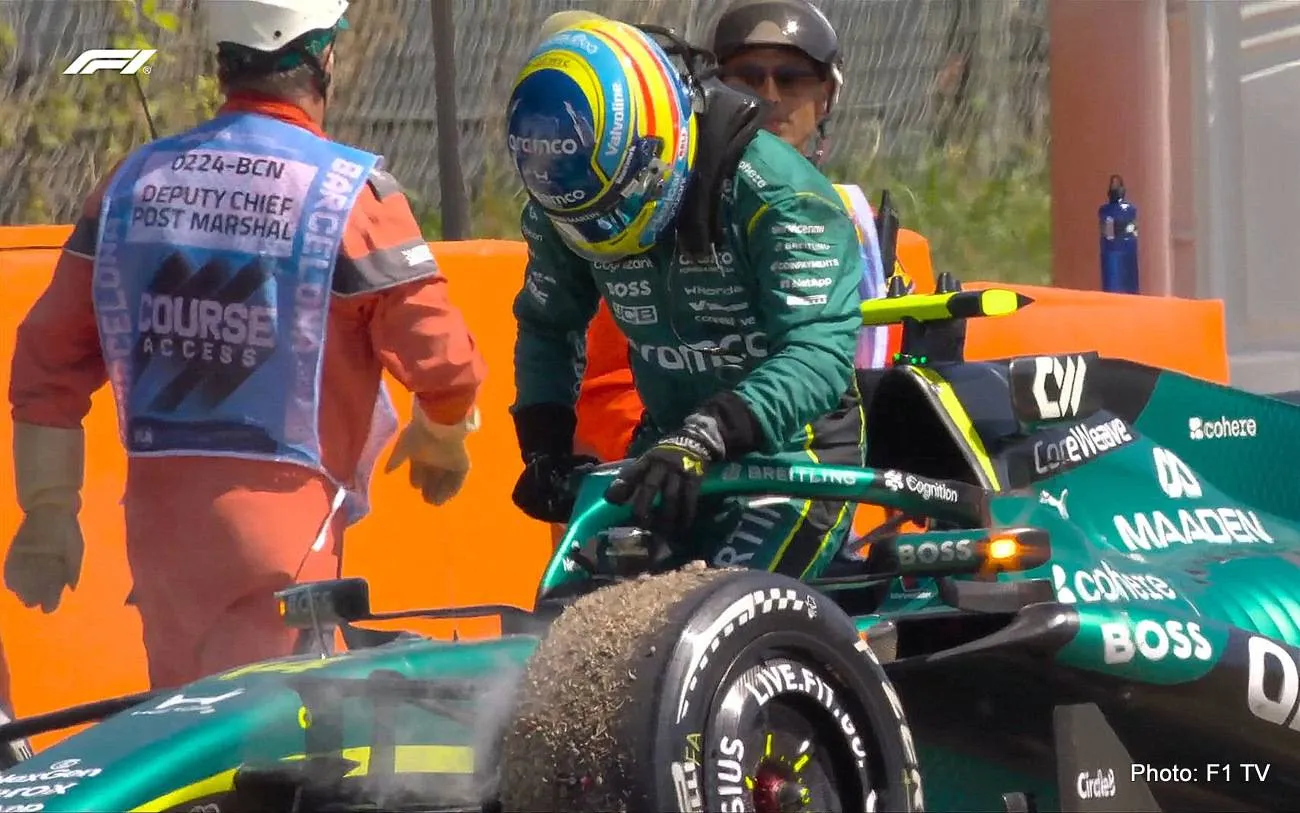
Several high-profile Formula One accidents have demonstrated the importance of robust safety systems and detailed forensic investigations. Engineers carefully examine each event to identify opportunities for future improvements.
Public attention often focuses on dramatic visuals, but investigators concentrate on measurable data and system performance. Objective analysis supports changes that enhance safety across motorsports and, in some cases, influence broader automotive design.
Review priorities commonly include:
- Vehicle deformation
- Barrier performance
- Driver survival space
- Medical response
- Equipment function
Learning from severe incidents helps reduce future risks.
Turning Racing Research Into Safer Roads

Formula One crash forensics demonstrate how detailed analysis can transform difficult situations into valuable learning opportunities. Telemetry, energy-absorbing structures, and advanced safety innovations continue to shape improvements that extend beyond the racetrack.
Drivers can benefit from adopting a similar mindset by emphasizing preparation, documentation, and informed decision-making after collisions.
For those seeking additional guidance on accident procedures and potential legal considerations, Triumph Law Group offers resources that can help individuals better understand their options.


Latest News






Loading