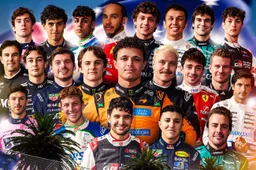
The Liam Lawson Effect: Kiwi Star Powers Formula 1 to Record-Breaking Mainstream Status in NZ
F1 Drivers NewsFriday, 15 May 2026 at 06:57

For decades, Formula 1 occupied a niche corner of New Zealand sport. Motorsport fans followed the championship passionately, but rugby, cricket and netball dominated.
That has changed
dramatically in recent years, and one of the biggest reasons is Liam Lawson.
The young Kiwi driver has transformed F1 from a specialist interest into
mainstream entertainment across the country.
This is because the rise of Lawson has
given New Zealand fans a personal connection to the global glamour of F1.
Instead of simply watching international stars compete on distant circuits,
audiences now have a home-grown driver competing.
That emotional investment has
helped create a surge in television audiences, online discussion, merchandise
sales and interest in motorsport culture nationwide.
The impact has been especially noticeable
among younger viewers. Many new fans were introduced to F1 through social media
clips, the Netflix series and highlights, but Lawson’s emergence gave them a
reason to stay engaged.
Suddenly, races mattered in a more personal way. Kiwi
supporters began staying awake through difficult time zones to follow
qualifying sessions and Grand Prix weekends featuring their national
representative.
Why Younger Fans Are Connecting With F1

NZ's commercialisation has changed, with
media outlets now dedicating far more coverage to F1 than they did five years
ago. Race analysis, driver interviews and weekend previews are now common
across sports platforms.
Sponsors and advertisers have recognised the growing
audience, particularly younger consumers, attracted to F1’s fast-paced digital
presentation and global appeal.
The audience growth has naturally
extended into related entertainment sectors. Interest in fantasy competitions,
race predictions and motorsport wagering has increased alongside the sport’s
popularity. As F1 becomes more embedded in mainstream culture, conversations
around New Zealand sports betting have increasingly
included motorsport markets that once had relatively little public attention.
Lawson appeals to fans on many levels
too. Fans are drawn to his personality and career trajectory, which is firmly
ensconced in Racing Bulls. Unlike some drivers who arrive in F1 with enormous
corporate backing and celebrity profiles, Lawson’s story feels more authentic
to many New Zealanders.
He represents determination, resilience, and the
ability to compete internationally despite coming from a relatively small
sporting market. That relatability has helped F1 connect with audiences who
previously viewed the sport as distant or elitist.
“Drive to Survive” Boost

Another important aspect of the Lawson
effect is representation. Small nations often struggle for visibility in global
sporting competitions dominated by larger countries.
Having a New Zealander
competing on one of the world’s biggest sporting stages creates pride and
visibility that extends beyond motorsport itself. Lawson becomes part of the
country’s broader sporting identity, alongside internationally recognised rugby
players and Olympic athletes.
The “Drive to Survive” effect also
deserves recognition in F1’s expanding popularity. The Netflix series
introduced audiences to the drama and personalities behind the races, yet local
engagement reached another level once a Kiwi driver entered the picture.
The commercial response shows this
change. F1-themed events, watch parties and online communities have grown
steadily throughout NZ. Merchandise sales connected to teams and drivers have
increased, while karting and grassroots motorsport programmes have reported
renewed interest from younger participants inspired by Lawson’s rise.
Importantly, Lawson’s emergence arrives
during a wider change within F1 itself. The sport has become more digitally
accessible, socially active and entertainment-focused than ever before.
A Lasting Impact on New Zealand Motorsport

Traditional barriers to entry for casual viewers have decreased as fans no
longer need deep technical knowledge to enjoy races or follow storylines.
Television broadcasters and streaming
platforms have responded accordingly. F1 coverage is now treated as premium
sports content capable of attracting large audiences despite inconvenient race
times for New Zealand viewers. That willingness to prioritise coverage
demonstrates how significantly interest levels have changed.
This mainstream breakthrough could have
lasting implications for motorsport development in New Zealand. Increased
public attention may encourage stronger investment in grassroots racing,
sponsorship opportunities and youth development programmes. Young drivers who
previously viewed F1 as an impossibility may now see a clearer pathway.
Whether Lawson eventually becomes a
championship contender or simply remains a respected F1 driver, his influence
on the sport’s popularity in New Zealand is already undeniable.


Latest News



Loading