There was a time when a racing driver’s public life was easier to describe. They turned up on race weekend, spoke to the press, handled sponsor duties, and then largely disappeared back into the private space between one event and the next.
Fans knew the driver through results, interviews, and the occasional magazine
profile. What happened outside the cockpit mattered, but it did not define the
relationship in the same way it does now.
That has changed. The modern driver is visible all the
time. Not just on Sunday, not just after qualifying, and not only when a
microphone is pushed in front of them. Today’s racing personality lives across
social media, video clips, streams, documentaries, podcasts, and
behind-the-scenes content that never really stops.
Motorsport still revolves
around the track, but the role of the driver has clearly expanded. They are no
longer only athletes competing in a high-pressure environment. Increasingly,
they are also media figures, storytellers, and digital entertainers.
From competitor to personality

This shift did not happen because drivers suddenly
became less serious about racing. If anything, the demands of the sport have
only grown. What changed was the media environment around them.
Fans now expect access, or at least the feeling of
access. They want to see what a driver is like when they are not giving a
polished post-race answer. They want the training clip, the travel diary, the
joking exchange with a teammate, the simulator session, the awkward moment
before an interview, the small details that make someone feel real rather than
distant.
That is not unique to motorsport, but it lands especially strongly
here because racing has always carried a certain mystique. Drivers used to seem
remote, almost sealed off by the machinery and the danger of the sport. Digital
media has opened that up.
A fan today may still support a team, but just as often
they follow a person. They are invested in the voice, the humour, the
temperament, and the way a driver carries themselves off the track. Personality
has become part of the story.
Social media changed the rhythm of the sport

One of the biggest changes is that motorsport no longer
feels contained by race weekends. In the old model, the calendar created the
rhythm. Build-up, event, reaction, reset. Now the story carries on in between.
A driver can post from an airport, a gym, a simulator room, or their kitchen
and still hold the attention of fans who want to stay connected to the season
in a looser, more constant way. That does not replace racing. It changes the
feeling of following it.
Social media has made the driver less of a distant
figure and more of a recurring presence in everyday digital life. Some use that
space casually. Others treat it almost like a second layer of their career.
Either way, the result is the same: fans now know drivers in more dimensions
than they used to.
That has also made content creation part of the broader
motorsport ecosystem. A short video can shape perception. A live stream can
build loyalty. A funny clip can spread far beyond the sport’s core audience.
None of this determines who is quickest on track, of course, but it does shape
who feels culturally visible.
As of early 2026, the digital ecosystem of motorsport -
particularly Formula 1 - shows how a driver's "second identity"
functions as a powerhouse for engagement.
The Scale of the Digital Persona (2025-2026 Data)

The gap between "fastest on track" and
"most culturally visible" is best illustrated by comparing social
media reaches. While performance dictates the trophy cabinet, the digital
narrative dictates the commercial and cultural impact.
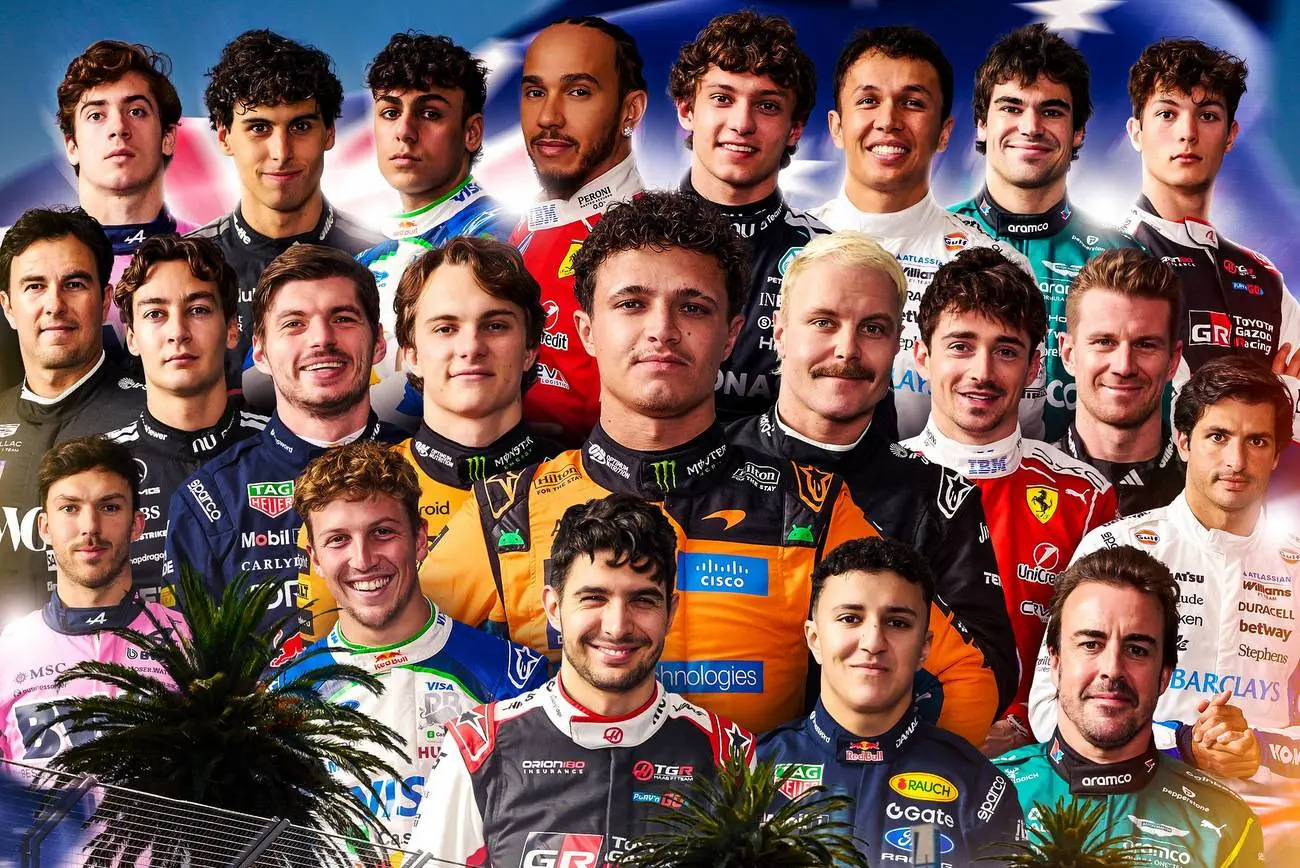
| Driver | Est. Social Follower Reach (Early 2026) | 2025 Performance Context |
| Lewis Hamilton | 42M+ | Transitioned to Ferrari; highest engagement in F1 history. |
| Charles Leclerc | 23M+ | Heavy focus on lifestyle/music content; "Storyteller" archetype. |
| Max Verstappen | 26M+ | High engagement despite a "racing-first" digital approach. |
| Lando Norris | 14M+ | Pioneer of the "Digital Entertainer" model via streaming/gaming. |
A wider digital entertainment landscape

Social media is still the clearest
example of this change, but it is no longer the only one. The bigger pattern is
that digital audiences increasingly expect some form of active participation
rather than just passive viewing.
We see this demand for deep engagement
extending straight into the sports entertainment market, where fans use
real-time data to feel like part of the pit-wall strategy. It is exactly why
official platforms like Betway have seen an explosion in popularity
among motorsport audiences, allowing fans to engage directly with live race
metrics, predictive track analytics, and in-play team strategies as the action
unfolds.
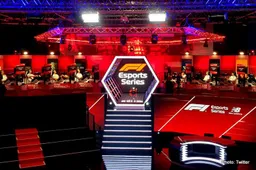
When combined with the massive popularity of simulator racing and live
streams hosted by drivers like Lando Norris, the modern fan is no longer just a
spectator.
In
2025, virtual racing events featuring pro drivers peaked at over 2 million
concurrent viewers across platforms like Twitch and YouTube.
The important point is not the platform itself. It is
that audience behaviour has changed. People increasingly expect to do more than
watch. They want to respond, interact, comment, clip, remix, follow, and
participate. Motorsport exists inside that larger cultural shift whether it
wants to or not.
Why this matters for the sport

The role of the
driver is not becoming less athletic. It is becoming more public. That matters
because motorsport culture is now shaped by visibility
in a way it was not before.
The role of the
driver is not becoming less athletic. It is becoming more public. That matters
because motorsport culture is now shaped by visibility
in a way it was not before.
A driver’s profile no longer rises only through
podiums and championship points.
It also grows through recognisability,
consistency of voice, and the ability to remain present in the mind of the audience
between races. In a crowded media landscape, staying relevant often means
staying visible.
For fans, this can make the sport feel richer. It
creates more entry points, more reasons to care, and more ways to remain
attached to a season that might otherwise feel fragmented between events. For
drivers, it means the job has expanded.
They are expected to race, yes, but
also to communicate, entertain, and sustain attention. That can be exhausting,
but it also feels like an honest reflection of what modern sport has become.
The modern driver lives in both worlds

The racing driver of today still has to do the oldest
part of the job: perform under pressure, at speed, with almost no margin for
error. That will never change. But around that old core, a second identity has
grown.
The modern driver exists both on and off the track.
They are competitor and personality, athlete and media figure, participant in
sport and participant in culture.
Motorsport has not stopped being about
performance. It has simply become part of a broader entertainment world that
asks more of the people inside it. That is the real shift. The driver is no
longer only someone you watch race. Increasingly, they are someone you follow.
Latest News
Loading