Lewis Hamilton on why 20 years of simulators still cannot replace real Formula 1 driving
F1 Drivers NewsFriday, 22 May 2026 at 12:46
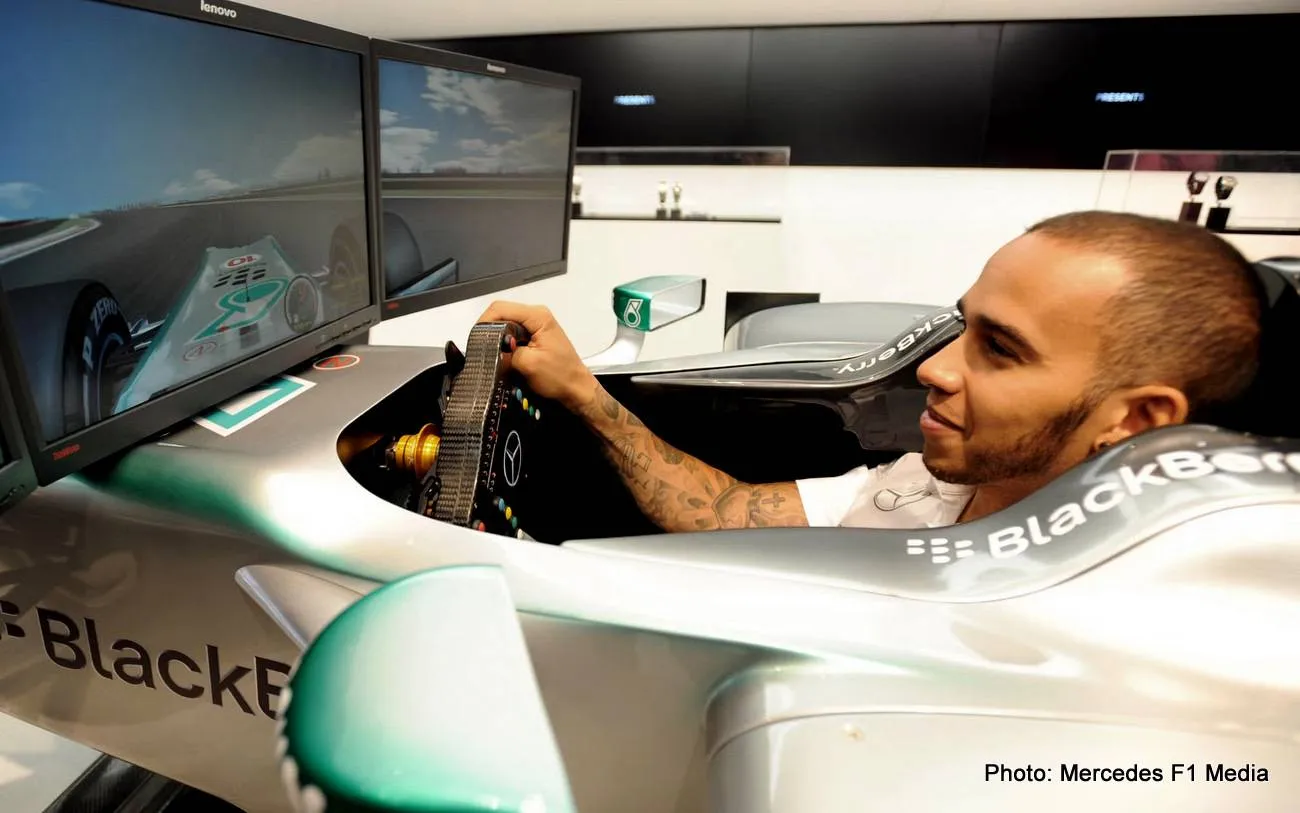
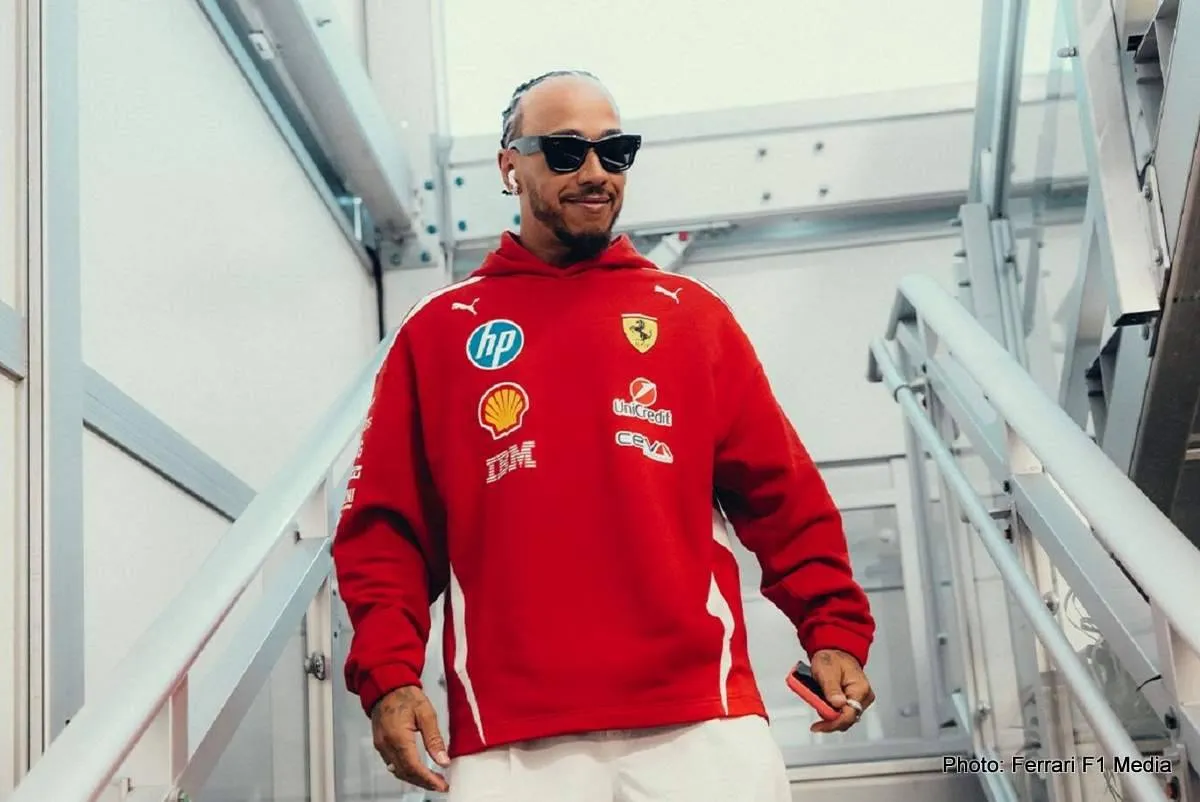
Lewis Hamilton has spent nearly three decades around Formula 1 simulator technology, from the primitive McLaren systems of the late 1990s to Ferrari’s state of the art Maranello operation in 2026. Yet despite the sport’s obsession with virtual tools, the seven time world champion remains unconvinced.
Ahead of the Canadian Grand Prix weekend, speaking to reporters in Montreal, Hamilton revealed he deliberately skipped simulator preparation after growing frustrated with the disconnect between virtual performance and real world behaviour.
Hamilton explained: “No, I didn’t use a sim. Firstly, the sim is amazing. It’s an amazing space to work in. It’s the best sim I’ve ever seen and best group of people that I’ve known, a large team of people that I get to work with there.
“So, a day at the sim is actually pretty incredible. It is a very powerful tool and something that as a team we continue to evolve.”
The Ferrari driver stressed his criticism is not aimed at Ferrari specifically. In fact, he praised the Scuderia for reacting quickly to his feedback and helping improve the simulator since his arrival from Mercedes.
But Hamilton’s complicated relationship with simulators stretches far back: “I started driving the simulator in 1997, the first simulator, I would say, at McLaren. The cockpit didn’t move but we had force feedback in the steering, and I remember it was at Woking, at McLaren’s old factory.
“And then when it moved to the first real gen, they let me sometimes use it when I was in GP2," said Hamilton, and admitted simulator work quickly became repetitive during his McLaren years despite the team embracing the technology heavily at the time.
“And then McLaren, we used it relatively often,” he continued. “Didn’t particularly enjoy it, because they were kind of long days and a lot of laps. There’s a point at which you stop learning when you’re doing so many laps, for me personally.”
Hamilton barely used Mercedes simulator during title winning years

When Hamilton moved to Mercedes in 2013, the team’s simulator programme was still developing. Ironically, that coincided with the most successful period of his career.
He recalled they were quite far off with the sim at the time. I didn’t use it in all the championships that we won, barely used the simulator, very rarely.” That stance remained largely unchanged even as modern Formula 1 became increasingly dependent on simulation and correlation work.
Back in 2021, Hamilton famously admitted: “I hardly ever drive on the simulator. I maybe do 20 laps a year, maybe. I have no interest in the simulator.”
Even in 2016 he openly questioned the technology’s accuracy, explaining Mercedes still needed major improvements before it could truly replicate reality.
Hamilton believes the core issue has never fully disappeared: “There’s only ever been really one time through all the years that I’ve used the sim in these 20 years that the set-up that I had on the sim was the exact set-up I used in qualifying and qualified pole. And that was Singapore 2012, maybe, I think, something like that.”
Outside of that rare success story, Hamilton says the simulator often sends him in the wrong direction: “Last year I used it every week and more often than not I felt you do all the work on the sim, and you get to the track, you find a set-up that you’re comfortable with, you get to the track and everything is opposite.
“So, then you’re undoing the things you’ve learned, some of the ways you’ve approached the corners you have to shift and adjust, set-up that you felt that was good on the simulator is not the same at the track,” he explained.
Ferrari simulator frustrations triggered latest rethink

Hamilton’s latest frustration reportedly followed Ferrari’s difficult Miami weekend, where he admitted the simulator correlation again failed to match reality. That experience pushed him to try a different approach ahead of Canada by focusing purely on engineering analysis and data work instead of virtual laps.
“I just decided for this one, I’m just going to sit it out and focus more on the data,” Hamilton said. “There was just a lot of deep diving on through-corner balance, mechanical balance, corner approaches, brake balance, optimising the brakes, which have been a problem for me for some time. That’s led to really good integration with my engineers,” he explained.
Importantly, Hamilton insists he is not abandoning simulator work entirely: “It’s not a tool that… I’m not saying I’m never going to use again. I think it’s something that, for sure, we’ll continue to utilise, particularly on power deployment.”
Still, Hamilton’s final example perhaps explains why he continues trusting instinct and real track feel over virtual preparation after all these years: “But China, for example, I didn’t do the sim for China and it was my best weekend.”
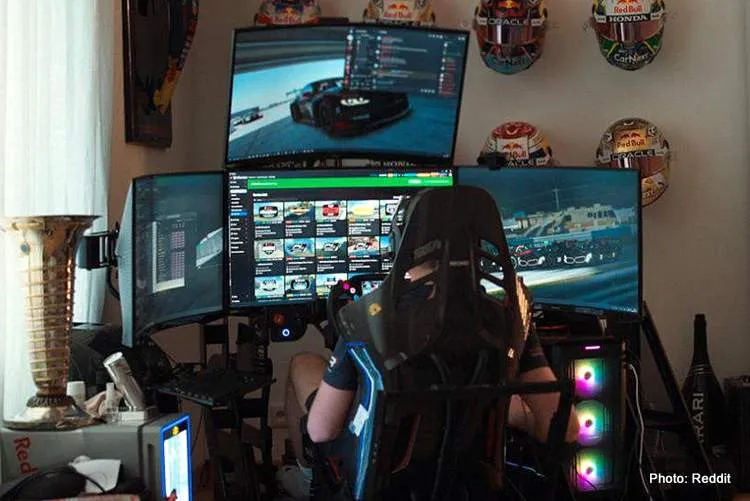
At 41, Hamilton is the second most experienced F1 driver on the grid, clearly an analog driver adapting to a digital world. His younger rivals, Max Verstappen a prime example, have integrated simulators not only at the factories of their teams, but at home as well.
Latest News
Loading