Charles Leclerc says Formula 1 qualifying no longer a flat-out challenge with new Power Units
F1 Drivers NewsThursday, 26 March 2026 at 11:37

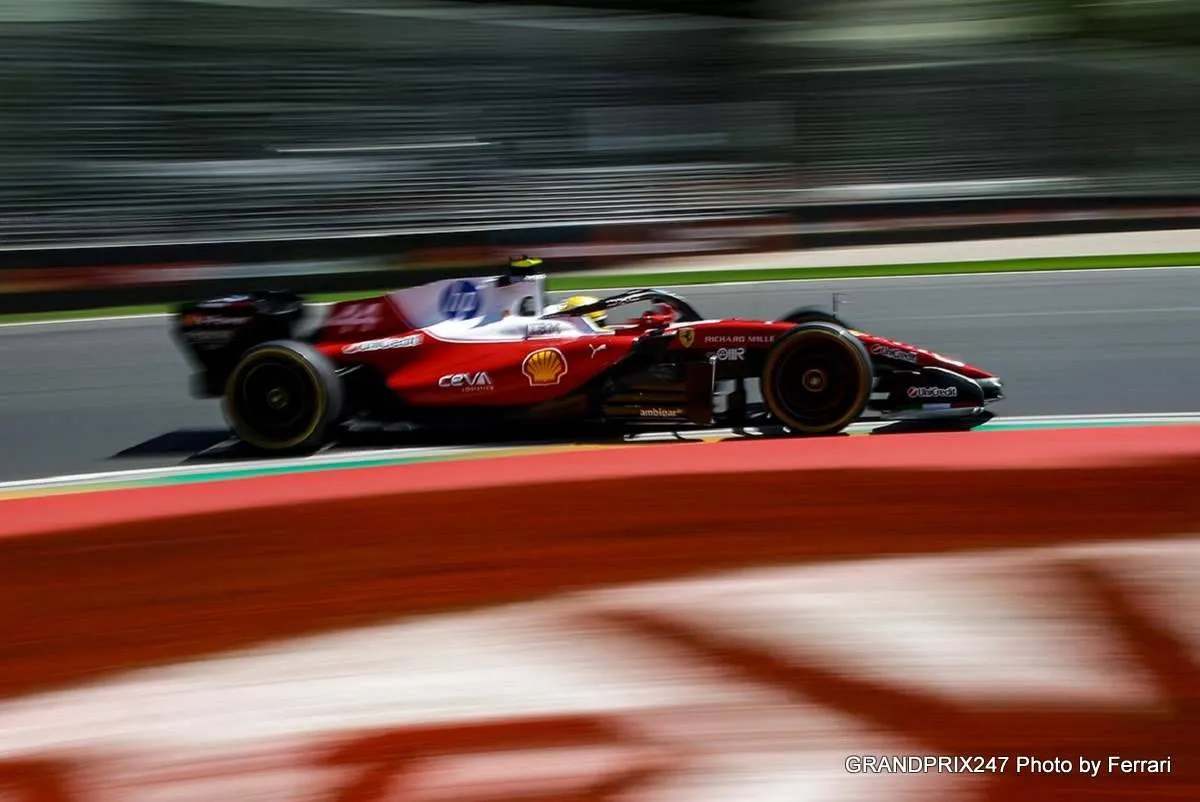
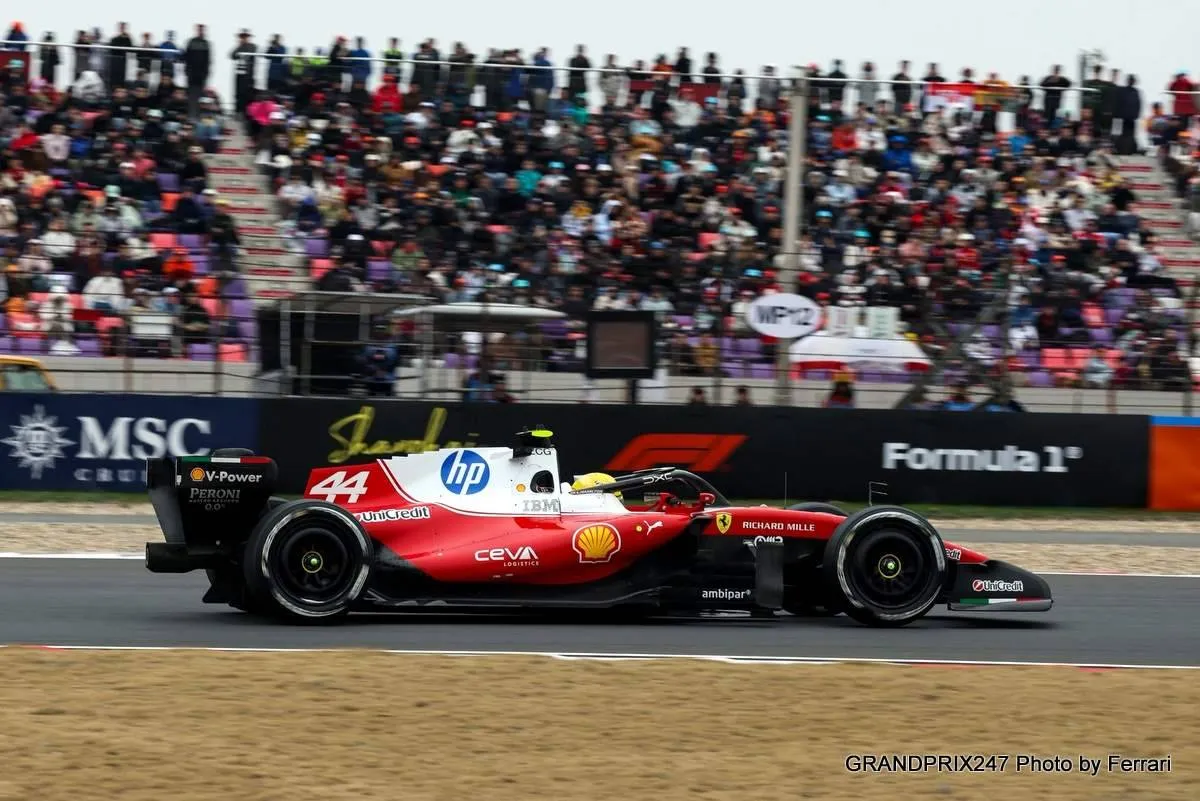
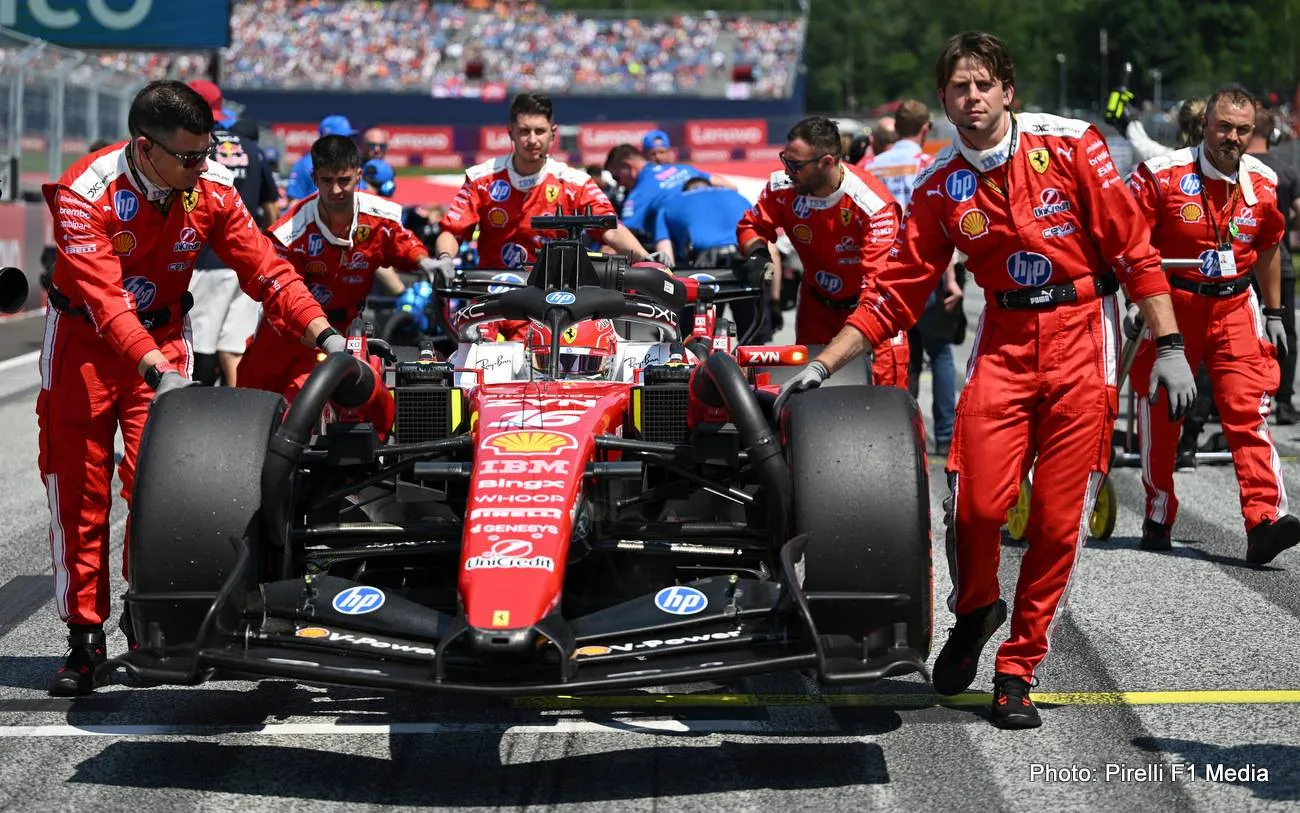
Charles Leclerc admits Ferrari are not as competitive as results suggest, despite opening the 2026 Formula 1 season with two podium finishes.
Speaking during the FIA-hosted Thursday’s drivers’ press conference ahead of the Japanese Grand Prix at Suzuka, Leclerc offered a measured assessment of where Ferrari stand after the first two races while lamenting that Qualifying has lost its magic in this new rules era.
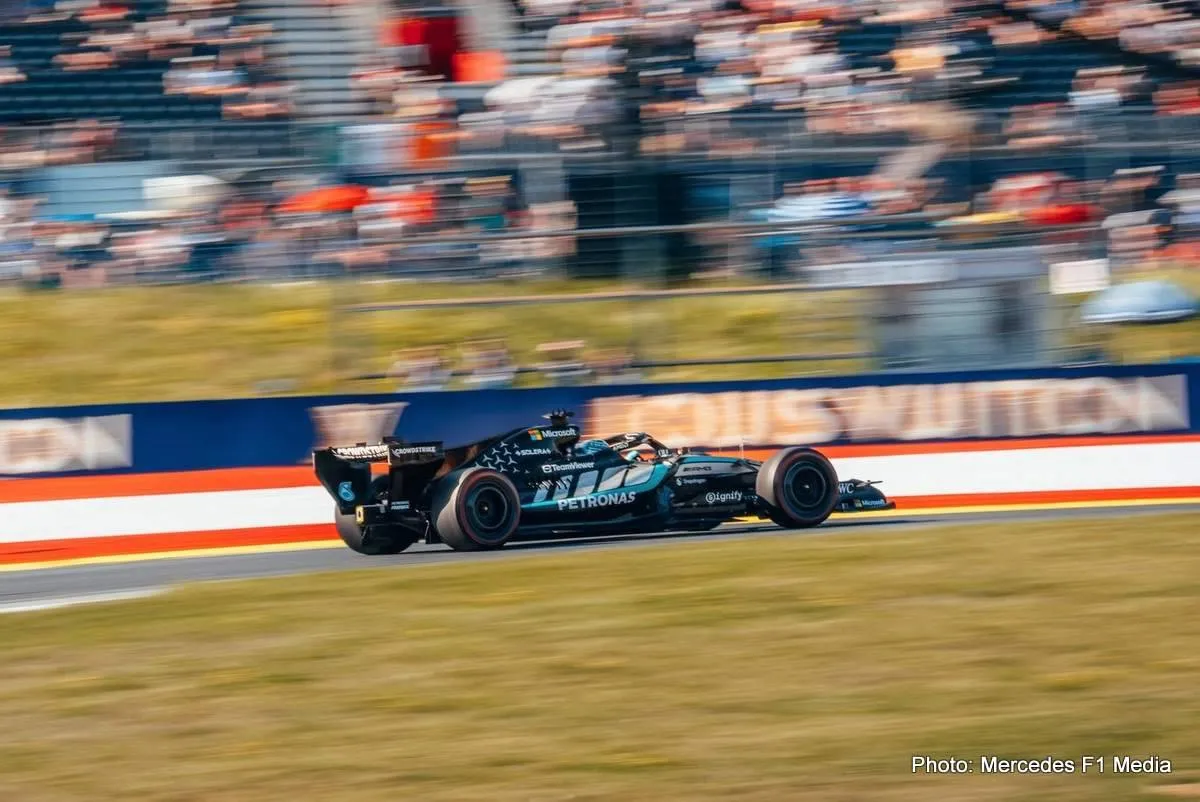
On paper, the Scuderia have started strongly. In reality, the gap to the front remains clear. Leclerc underlined the situation bluntly: “We are in an okay-ish place, but of course we’re not here to only do podiums and we want to win races, which at the moment seems very difficult because Mercedes is at a very high level.”
That gap, he insists, is larger than it appears from the outside: “I don’t think it’s as close as maybe people think. As soon as you are a little bit suboptimal with these cars you lose a lot of lap time.”
The result is a fragile competitiveness, where Ferrari can fight early in races but struggle to sustain that pace once rivals break free.
Leclerc pointed directly to the underlying performance deficit that continues to separate Ferrari from the benchmark: “Our only chance to stay with them is to annoy them in the first few laps, but as soon as they get free air then they’ve shown their real pace. There are still these four or five tenths that we’ve seen throughout these first two races. It’s still a significant advantage.”
Leclerc: Qualifying no longer a flat-out challenge

That margin, consistent across different circuits, reinforces the scale of the challenge facing Ferrari. Even so, Leclerc made clear the team are not standing still: “We have some things in the pipeline. We’ve got to focus on ourselves, not trying to overdo it.”
A major talking point in Suzuka is the FIA’s adjustment to qualifying energy management, but Leclerc does not expect it to change the competitive picture: “I don’t think it will be a game changer. I think it will be pretty similar, apart from for the driver where maybe there’s a little bit less lift and coast.”
The deeper concern lies in how qualifying itself has evolved under the 2026 regulations. Leclerc explained: “For the first two races, it was more about managing everything properly in qualifying rather than the actual flat-out push that we were used to in Q3.”
That shift has fundamentally altered the nature of a qualifying lap, moving away from pure performance and towards optimisation: “Every time you do something that you haven’t done before then the car is just trying to adapt to it and it makes you lose more than what you gain.”
While the overall picture is mixed, Leclerc identified a clear split in Ferrari’s performance profile: “Chassis-wise it is quite a strong car actually, and that’s probably our strength so far. Power unit is where we are lacking compared to Mercedes at the moment.
Leclerc: Racing better than expected despite concerns

That imbalance explains why Ferrari remains competitive in certain phases of a lap, particularly through more technical sections, but struggles on straights and in sustained race pace. Closing that gap will be critical if Ferrari are to turn podium consistency into race-winning potential.
Despite concerns about the new regulations, Leclerc admitted the racing itself has been more enjoyable than anticipated: “I was very sceptical at the beginning of the year, but I’ve been positively surprised.”
The so-called “yo-yo” racing effect, driven by energy deployment differences, has created more overtaking opportunities than expected.
Leclerc revealed: “You end up in a similar state of the battery at the same point for different circumstances, which makes it actually quite fun.” However, he acknowledged that this comes with trade-offs, particularly in qualifying and overall driving feel.
Looking ahead to Suzuka, he expects some of the circuit’s most iconic corners to be compromised by energy management constraints: “I expect the first sector a little bit less exciting compared to last year for sure in qualifying.”
For Ferrari, the situation remains clear. The platform is competitive, but incomplete. Until the power unit deficit is addressed, the fight for victories will remain just out of reach, regardless of how many podiums they collect.
(Reporting by Agnes Carlier from Suzuka)
(Reporting by Agnes Carlier from Suzuka)
Latest News
Loading