From Fuel Costs to Lap Times: How Oil Prices Affect Motorsports
F1 NewsWednesday, 24 December 2025 at 18:48
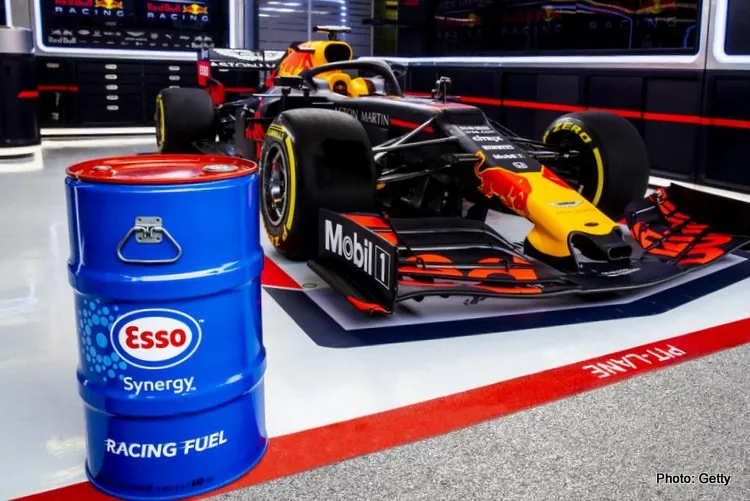
Oil prices affect more than the global economy. In motorsports and high-performance driving, even small shifts influence strategy, engineering, budgets, and the sport’s long-term direction.
This special report for our Formula 1 readers explores how oil price changes shape racing teams, manufacturers, and performance enthusiasts.
While motorsport fans usually focus on lap times and driver skill, the financial reality behind the scenes is heavily affected by global energy markets. When crude markets are volatile, many teams monitor related instruments, including oil CFD markets, to anticipate cost swings.
Fuel may seem like a small line item compared with salaries and equipment, but over a season these expenses add up quickly, especially in endurance racing and international series.
How Energy Costs Shape Team Strategy in Motorsports
Higher oil prices raise the cost of moving cars, equipment, and staff, with air freight hit hardest by fuel surcharges. Teams respond by combining shipments, cutting travel, or reducing spare parts. For smaller teams, this can mean fewer races or test days, directly affecting performance. Even top tier teams factor fuel costs into long term budget planning.
The Shift Toward Efficiency in Motorsports Engineering
| Focus area | Typical efficiency gain | Performance impact |
| Aerodynamics | 3–7% drag reduction | Higher top speed, lower fuel use |
| Engine mapping | 2–5% fuel efficiency gain | More power per litre |
| Hybrid deployment | Up to 10–20% energy recovery (series dependent) | Faster acceleration, longer stints |
| Weight reduction | 10–30 kg fuel and component savings | Better handling and braking |
When energy prices rise, motorsports engineering places greater emphasis on efficiency. While racing is associated with speed rather than fuel savings, efficiency plays a key role in performance. Teams work to reduce fuel load without losing power, as lighter cars handle better and accelerate faster.
Aerodynamics is one area where oil price pressure encourages innovation. Improved airflow reduces drag and fuel use, allowing teams to go faster with the same power.
Engine mapping is another key lever, with engineers refining combustion, thermal management, and hybrid deployment to deliver more performance per litre. As oil prices rise, these efficiency gains become more valuable and influence long term research priorities.
This impact extends beyond professional motorsports. Car makers transfer race developed technologies into road legal performance models, accelerating the adoption of efficient turbocharged engines, hybrid systems, and lightweight materials. Enthusiasts benefit from innovations originally driven by competitive and economic pressures.
How Fuel Strategy Shapes Race Dynamics and Competition
One of the clearest effects of changing oil prices is on race strategy. As fuel becomes more expensive, teams focus more on consumption management, adjusting pit stops, tyre choices, and engine maps to maximise efficiency over long stints.
In endurance racing, gaining even one extra lap per stint can change results. Higher fuel costs push teams to train drivers in smoother inputs, lift and coast techniques, and improved corner control to maintain pace while saving time.
Oil prices also affect competitive balance.
Oil prices also affect competitive balance.
Well funded teams can invest in advanced efficiency technology, while smaller teams rely on older components. Without regulations like balance of performance rules or fuel flow limits, this gap can widen and impact fairness.
How Oil Prices Influence Performance Driving Culture
Beyond professional racing, oil price swings influence how enthusiasts drive and maintain their cars. When fuel becomes more expensive, track day attendance often dips, especially for high displacement engines.
Many drivers respond by tuning for efficiency, using lighter components, or choosing tyres and exhaust systems that balance performance with fuel use.
Motorsport clubs see similar shifts, with drivers sharing cars, splitting costs, or moving toward more economical performance models. Rising fuel prices also increase interest in electric and hybrid performance cars.
Manufacturers follow these trends closely, accelerating development of hybrid supercars, lightweight sports cars, and efficient turbo engines. Efficiency becomes a stronger selling point as fuel prices rise.
The Hidden Link Between Energy Markets and Performance
Motorsports does not operate in isolation from global energy markets. Changes in oil prices influence budgets, logistics, engineering decisions, and even who competes on the grid. Teams that adapt through efficiency, smarter strategy, and innovation gain an edge, while others face growing constraints.
At the same time, rising fuel costs accelerate broader shifts toward hybrid technology, alternative fuels, and more sustainable performance models. From the paddock to the road, oil prices continue to shape the evolution of high performance driving, often in ways fans never see but always feel on the track.
Latest News




Loading