Pirelli: Monaco Grand Prix remains Formula 1’s ultimate qualifying challenge
F1 NewsThursday, 04 June 2026 at 10:09
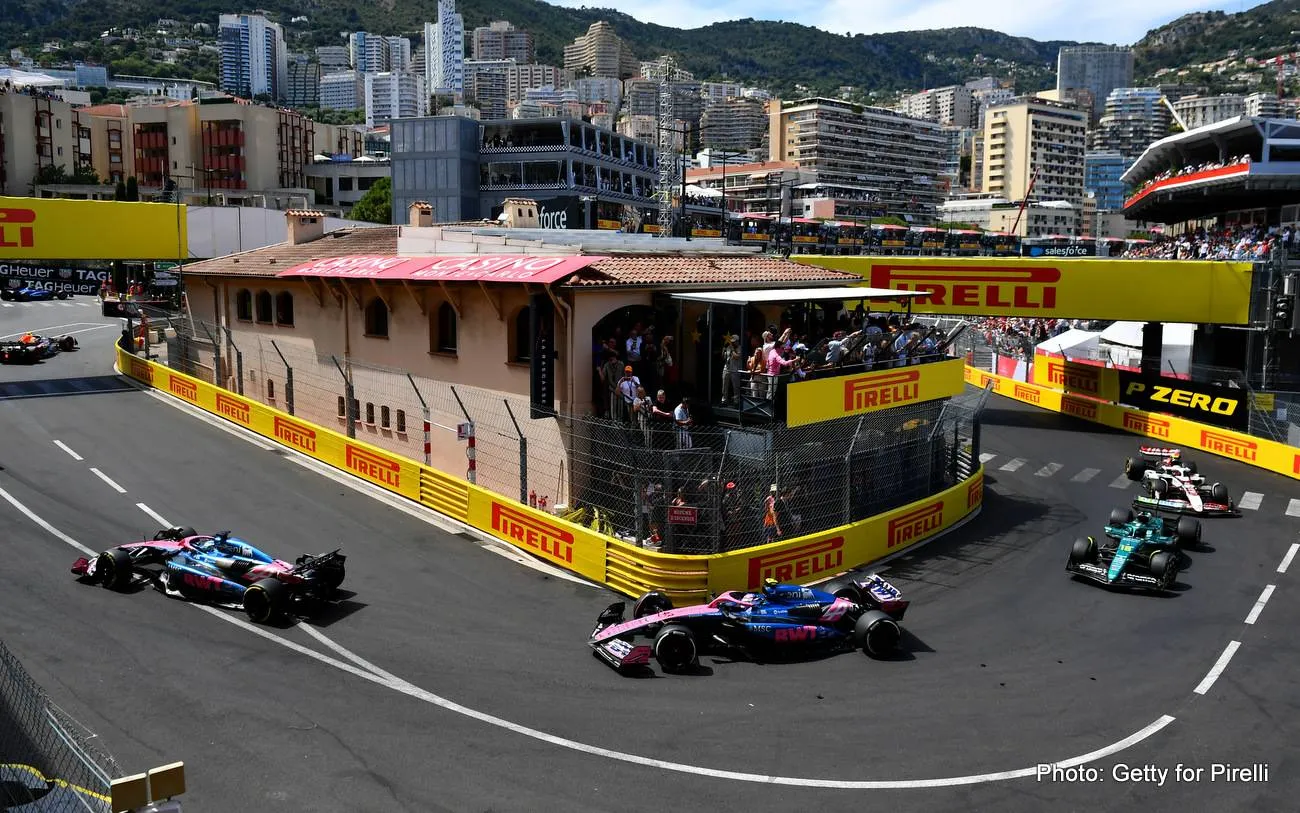
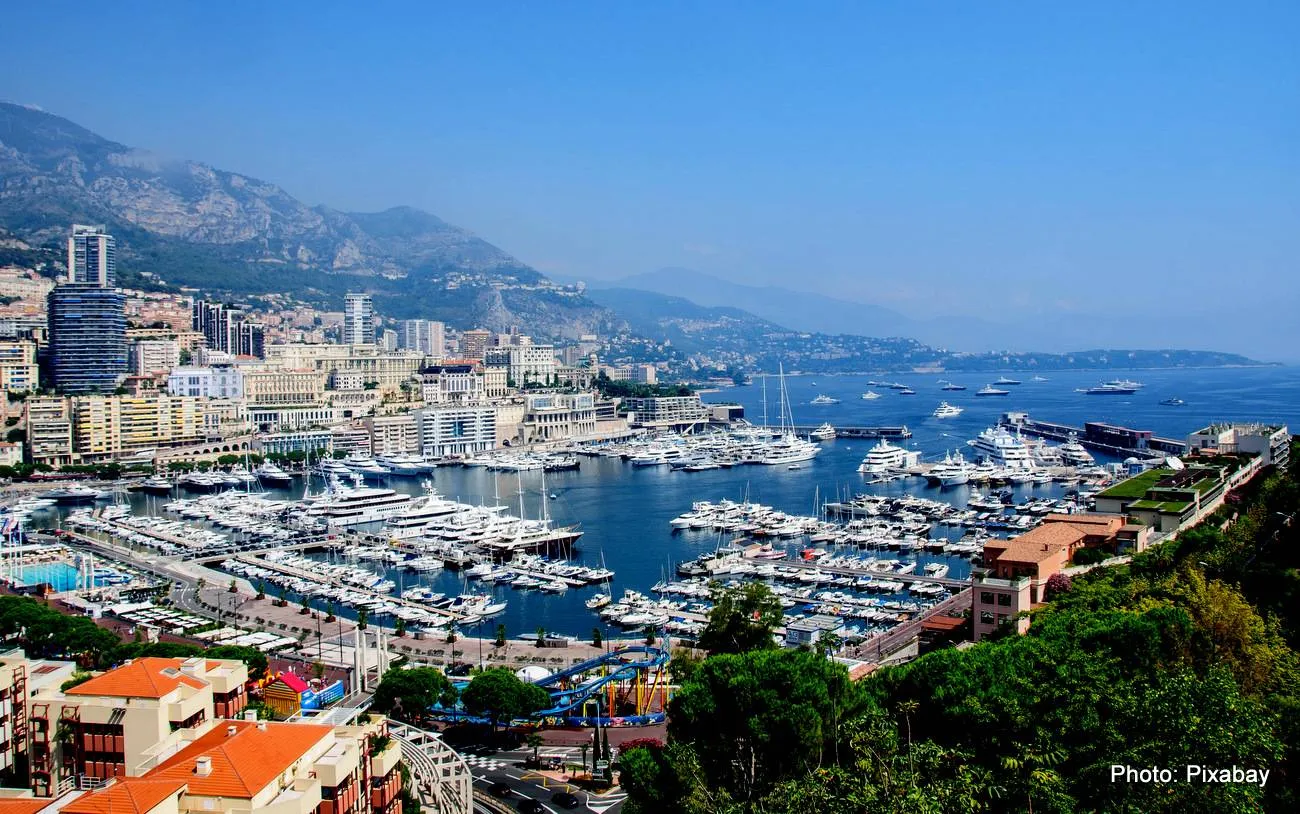
The Monaco Grand Prix remains one of the most unique events on the Formula 1 calendar, combining sporting prestige, history and glamour on a circuit where qualifying performance is often more important than race pace.
The 3.337-kilometre street circuit has hosted racing since 1929 and remains virtually unchanged in character. Winding through the narrow streets of the Principality, the track features 19 corners, minimal run-off areas and barriers that line the circuit from start to finish.
Drivers routinely brush the walls in pursuit of the perfect lap, with centimetres often making the difference between pole position and the midfield. Over 78 laps, average speeds are the lowest of the Formula 1 season, with cars slowing to around 50 km/h in the tightest sections.
From a technical perspective, Monaco presents one of the biggest challenges of the year. Teams run maximum aerodynamic downforce and place enormous emphasis on qualifying, knowing overtaking opportunities during the race are extremely limited.
Softest compounds return for Monaco

As is tradition, Pirelli has selected its softest tyre range for Monaco, bringing the C3 as Hard, C4 as Medium and C5 as Soft to maximise grip on the smooth street surface.
Several sections of the circuit have been resurfaced since last year's race, including the stretch between Turns 19 and 1, the section from Turn 7 to the tunnel entrance, and the pit lane entry and exit.
While some graining could appear during the weekend, Pirelli expects it to have little impact on overall tyre performance because Monaco places relatively low stress on tyres, with traction loads accounting for most of the wear characteristics.
The low degradation traditionally seen around Monaco has long favoured one-stop strategies, allowing teams to prioritise track position over tyre management.
Neutralizations often dictate strategy

Last year's Monaco Grand Prix proved how quickly strategy can be reshaped by incidents and stoppages.
In 2025, the FIA introduced an experimental regulation requiring drivers to use three different sets of tyres during the race, effectively forcing at least two pit stops. However, an opening lap red flag allowed every driver to satisfy much of that requirement immediately, creating a split between Medium and Hard tyre strategies for the remainder of the race.
The experiment was subsequently abandoned, meaning Monaco returns to its traditional format this year.
Pirelli expects strategy once again to be dictated less by tyre degradation and more by the likelihood of Safety Cars, red flags and neutralisations. Contact with the barriers remains common on the tight street circuit, while recovering damaged cars often requires race interruptions.
As a result, teams heading into the weekend know that while qualifying remains the key to success in Monaco, flexibility and the ability to react quickly to changing race conditions could still determine the outcome on Sunday.
Latest News

Loading