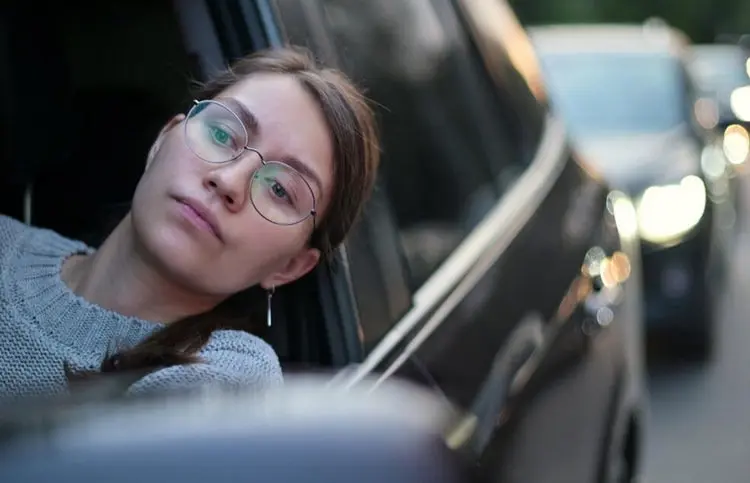
Picture driving down the road when you spot flashing lights and a crashed car ahead. Instead of watching the road, you turn your head to stare.
That's rubbernecking, like stretching your neck like rubber to gawk at something exciting or scary. It happens a lot near wrecks, fires, or weird sights, but it pulls your eyes off driving.
Rubbernecking seems harmless, like peeking at a cool show. But it causes huge traffic jams and new crashes. Studies show it leads to about 10% of wrecks from distractions. Drivers slow way down, bunch up cars behind them, and boom, another accident. Keep your eyes forward to stay safe!
How Rubbernecking Starts
It begins with curiosity. Your brain loves surprises, especially bad ones like crashes. This "negativity bias" makes scary stuff grab attention more than boring road signs. Even a quick glance steals focus from brakes or turns.
The name comes from old days when tourists craned necks out bus windows. Now, on highways, one gawker slows, then everyone behind does too. This "gapers' block" clogs both sides of the road, even if the wreck is far away.
Real Dangers on the Road
Rubbernecking blinds you to stops ahead. A study on a big UK highway found 29% of jams came from people staring at breakdowns nearby. In the US, it sparks 16% of distraction crashes, with injuries and deaths.
Slowpokes cause chain reactions. The car behind slams on its brakes too late, hitting the next one. Kids in backseats or on bikes nearby get hurt worse. Plus, it blocks ambulances rushing to help.
Imagine tailing a family van. The driver ahead rubbernecks at a fender bender. You don't see their sudden stop, crash! Tires screech, airbags pop, and someone flies through glass. One stare turns safe trips deadly.
Why Brains Love to Rubberneck
Humans are wired for it. Survival once meant spotting dangers fast, like tigers in bushes. Today, crashes trigger the same alert, mixing fear with thrill. Adrenaline rushes feel fun, like a rollercoaster, without real risk.
Bored long drives make it worse. Empty highways tempt eyes to wander. Billboards or animals pull looks too. But roads demand 100% watch; split-second decisions save lives.
Proof from Studies and Stats
Experts track it closely. A journal study clocked rubbernecking delays at over 100 hours of stuck traffic per wreck. Highways design ramps and signs to fight it, hiding crash views.
Police see patterns: most secondary crashes hit the gawkers' lane. Fines kick in if you swerve, tailgate, or block flow from staring. It's not illegal to look, but results are, like tickets for careless driving.
Ways to Stop Rubbernecking
Train your eyes ahead. Use tricks like counting blue cars or chatting with passengers about safe topics. Apps beep if you drift. Parents teach kids, "Eyes on the road, not the show!"
Big fixes include screens at wrecks, blocking views in UK tests. Wider lanes and signs saying "Keep Moving" help. Drive at steady speeds; no slamming brakes for peeks.
If you're the victim of a rubberneck crash, note details. Dashcams prove who gawked. Safe driving classes cut habits; practice makes perfect focus.
What to Do If You See It
Stuck behind gawkers? Signal early, and change lanes safely. Don't join the stare; zoom past. At a wreck yourself, wave folks on so help arrives fast.
Parents: Model good habits. No phone peeks or wreck stares with kids aboard. Schools add road safety games, quizzing, "What pulls your eyes away?"
- Eyes-ahead driving stops rubberneck jams and wrecks.
- Quick glances cause 10% of crashes; stay focused!
- Train brains to ignore distractions for safe rides.
- Use screens and signs to hide wreck views.
- Practice steady speeds; save lives one stare at a time.
Latest News
Loading