Honda Formula 1 boss Shintaro Orihara says driveability key for Aston Martin at Monaco Grand Prix
F1 NewsThursday, 04 June 2026 at 10:20
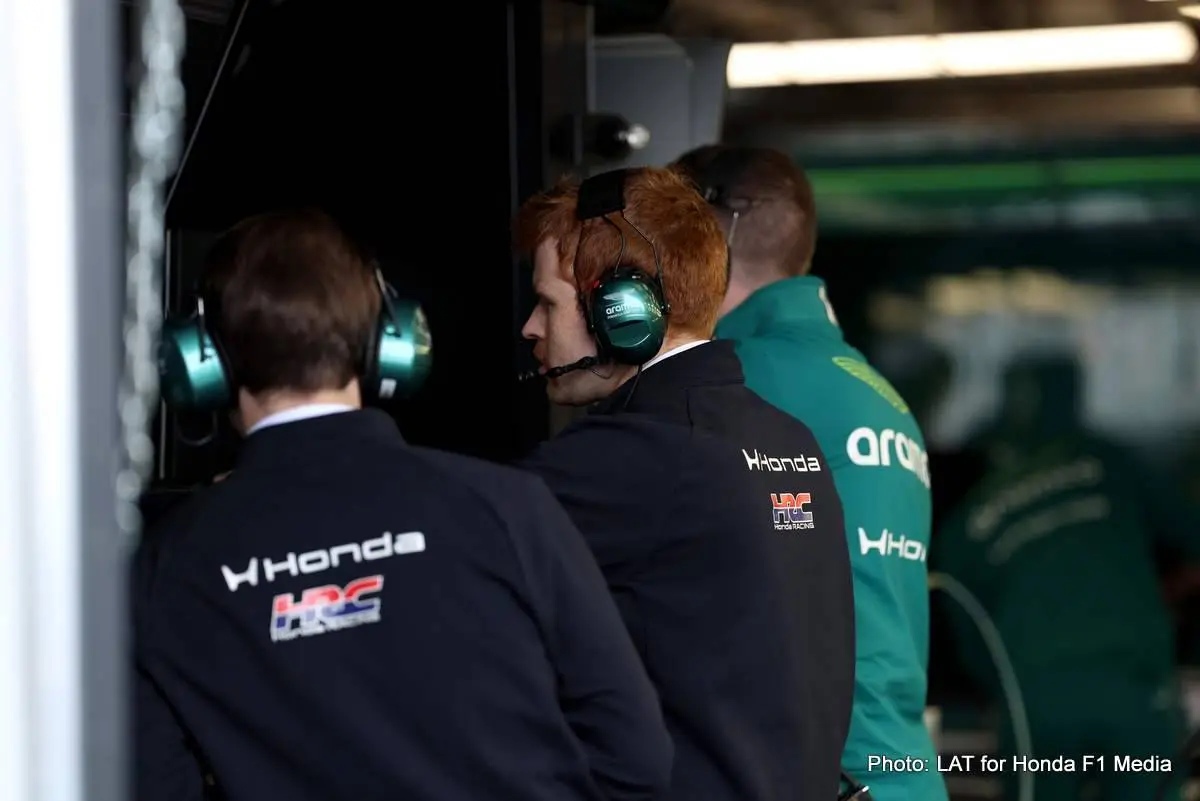
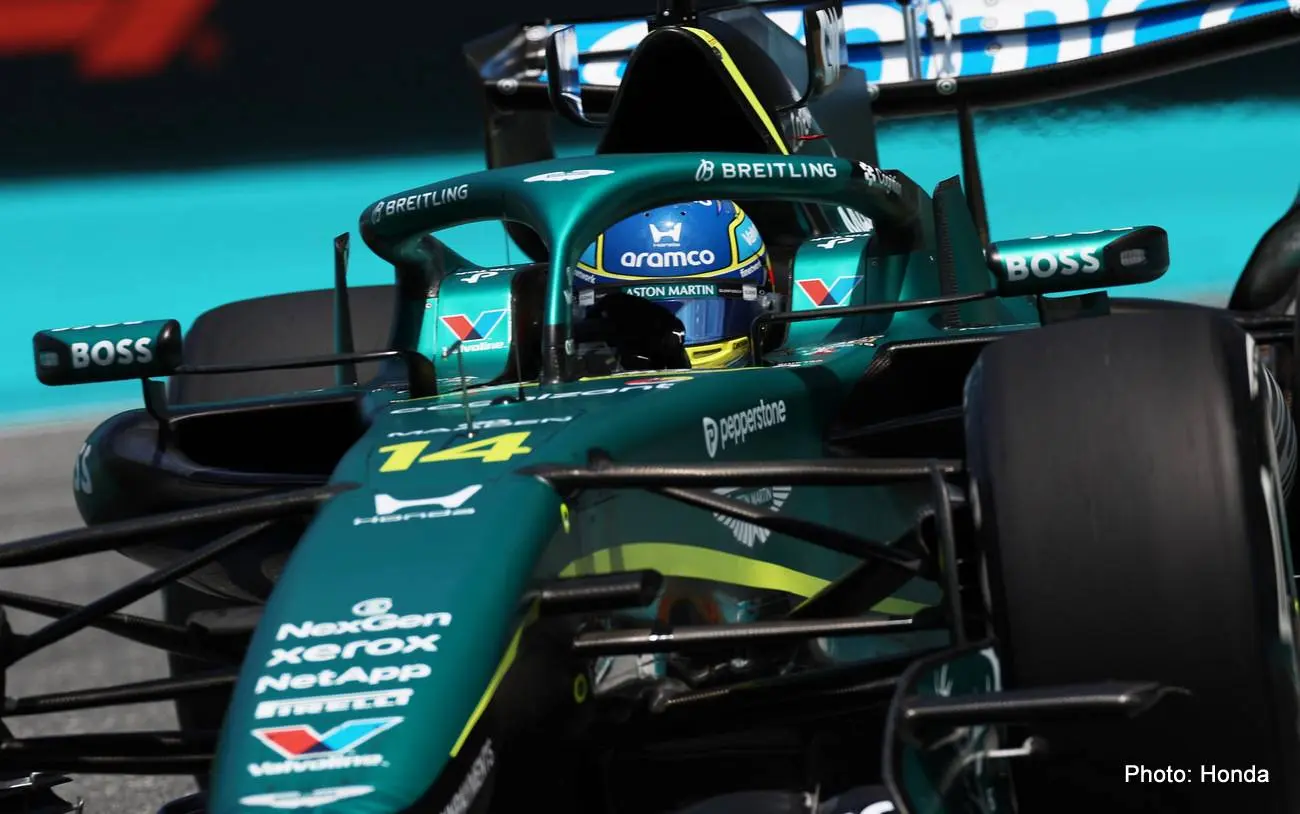
Aston Martin and Honda have focused heavily on energy management and driveability ahead of this weekend’s Monaco Grand Prix, with the unique demands of the Monte Carlo street circuit requiring specific preparation from the power unit manufacturer.
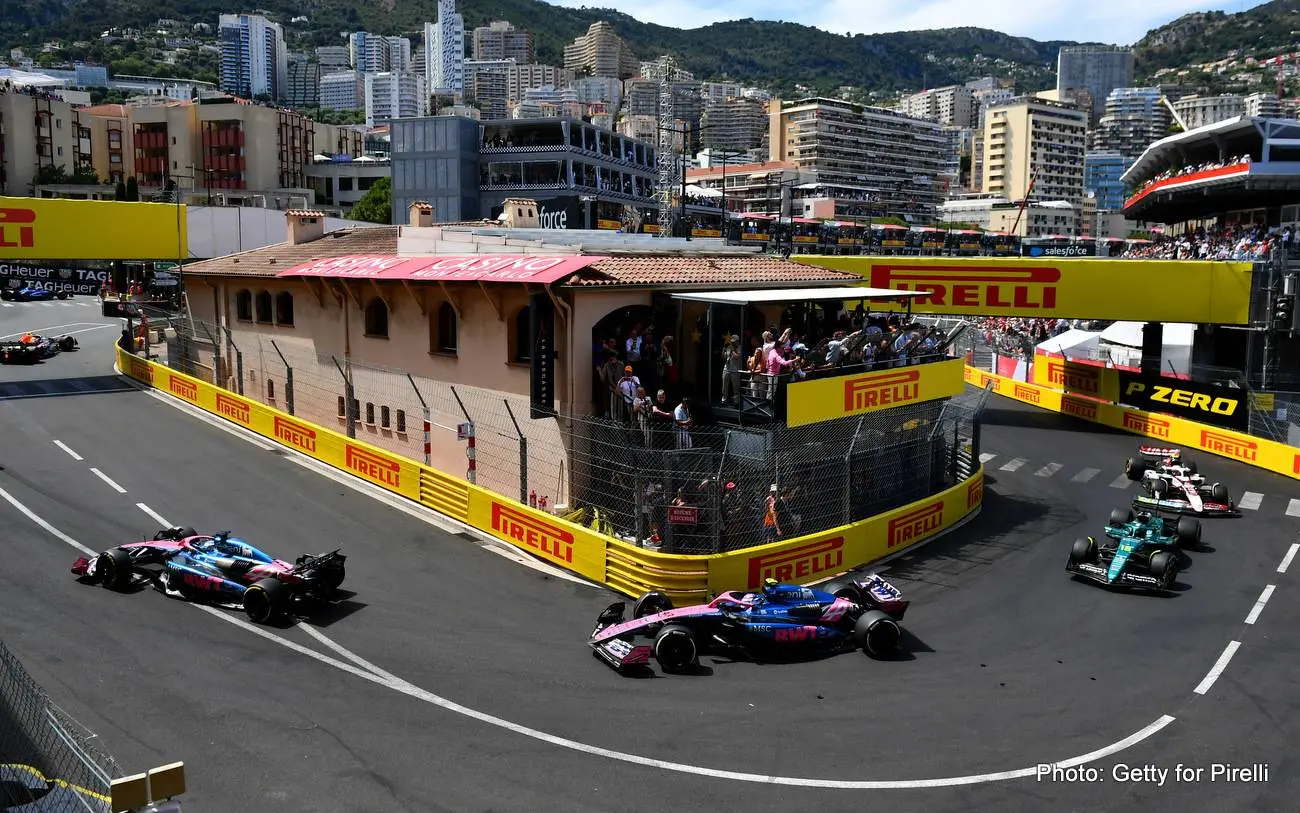
The narrow 3.337km circuit is unlike any other venue on the Formula 1 calendar, featuring a succession of slow speed corners, limited overtaking opportunities and heavy traffic throughout the weekend. Honda believes maximizing driveability could be one of the biggest factors in unlocking performance.
Honda Trackside General Manager and Chief Engineer Shintaro Orihara revealed that dedicated simulator work has already been carried out at Aston Martin’s Silverstone base to prepare for the challenge.
Orihara explained: "Circuit de Monaco is very unique, and our power units require dedicated preparation to adapt to the conditions. We have conducted specific driver-in-loop (DiL) sessions at the AMR Technology Campus to optimise our energy management setting."
The Japanese manufacturer is also paying close attention to cooling requirements, which can become problematic despite Monaco’s relatively low average speeds.
Cooling challenge in Monaco traffic

Unlike high speed circuits where airflow is plentiful, Monaco’s slow speed sections and frequent traffic create a difficult environment for cooling both the power unit and associated systems.
Orihara said: "On the cooling side, Monaco's slow speed sections make this challenging. We need to find a good cooling specification, working closely with Aston Martin Aramco to achieve this for the power unit in clean air and heavy traffic, which is common here."
Formula 1 teams will have three full practice sessions available this weekend, providing valuable track time to refine settings before qualifying, which is traditionally the most important session of the Monaco weekend.
For Honda, gathering driver feedback will be crucial as the team works to fine tune energy deployment and overall vehicle behaviour around the tight street circuit.
Practice sessions crucial

Orihara believes the extensive practice running available will be vital in helping Aston Martin find the optimal compromise between performance and drivability.
"This weekend we have three hours of practice so it's critical to optimise energy management and track usage throughout these. Gaining the drivers' feedback during this will also be paramount as energy management has a significant impact on driveability," he said.
"Monaco has a lot of slow speed corners, so it's fundamental to maximise driveability to give them maximum confidence. We can find lap time from driveability here."
With precision and driver confidence often making the difference between success and failure around Monaco's unforgiving barriers, Honda's focus on energy management and drivability could prove decisive as Aston Martin looks to maximise its performance in Formula 1's most famous street race.
Latest News
Loading