Net-Zero by 2030: How Formula 1 Sustainability Impacts Fan Travel
F1 NewsWednesday, 03 September 2025 at 04:50
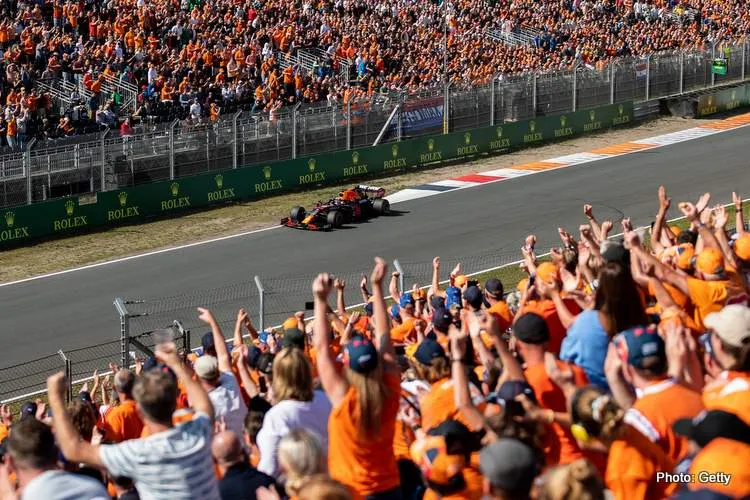
Have you ever experienced the biggest impact of Formula 1 and observed how fans all around the world are standing and cheering their favorites?
Yes, this single act is not just a fan moment, but it counts as the biggest climate impact of Formula 1. This game is as popular as rapid fire, and its net-zero by 2030 with 26% reduction in Carbon is a target. This gives it benefits far beyond the hybrid engines and synthetic fuels. The logistics, freight, and even energy are used in this whole cycle.
However, people often overlook the fact that it is not the tracks causing carbon footprints but the amount of fans standing aside in the huge population. The way they came there is the way they produce carbon footprints. Formula 1 has been under pressure on sustainability, but still there is a question on debate. Why are there no female F1 drivers.
Supporting sustainability and the thrill of Grand Prix 247 weekend does not mean banning fans from the site. Rather, it means making smarter and greener choices. Like the time you book your flights and then the “last mile" planning from city to circuit in order to avoid the people's mess.
If you want to know how we can slash our race-weekend CO₂ and that too without losing any of the fun, then this guide is the right place for you. Just explore it and get the answers. Moreover, you can now use a handy race-weekend carbon footprint calculator to keep track of your own impact.
Main Point of Fans Disturbing Sustainability

Currently, many U.S fans are enrolling themselves excitedly in the F1 scene, inspired by Cadillac’s F1 entry bringing the sport closer to American fans.
At the same point, you must be wondering at what exact point the F1 game is producing carbon footprints. Probably when their cars are on track and the engines’ roaring.
You are wrong, the point where sustainability gets disturbed is when fans decide their travel way. Do you know that the emissions from engines account for just 0.7 % of the total, while on the other hand, logistics and spectator movement play a huge part in carbon emissions?
Let's see it from the latest data, as per Green Racing News
- Logistics, including freight, team traveling, and equipment, produce emissions of about 45%
- Business travel, including team, media, and staff, gets the 28% share
- Still, the spectator travel gets a sizable slice.
In simple words, fans’ hands consist of two most impactful levers, which are:
- Flying to the venue city: Always make sure to get flights that are direct to the venue. Taking a connecting flight always produces carbon emissions.
- Navigating “last mile” transit: Do not take solo or private rides to the city. Instead, choose public transport like the metro or shuttles. This way, you can reduce your carbon footprint by up to 75%.
Furthermore, there is a best practice of using the metro or combining the shared transport specifically for all those coming fans.
The Final 5–10 km Matters

For Formula 1’s fans, the final 5-10 kilometres matter the most. They rush to see it as if the checkered flag drops for them, not for cars. The streets get crowded, and the transit hub feels longer than the Grand Prix.
- Crowds multiply fast: The popular circuits attract the most fans, making it hundreds or even thousands.
- Ride-hail spikes: The ride prices usually increase during these times. Even after the major sporting event, it still surges by 200-300%.
- Carbon compounds: Not only do you know that a single 10 km taxi ride can emit 5–3.5 kg of CO₂. If we multiply that by three days of practicing, qualifying, and racing with the estimation of thousands of fans, then you can calculate the total footprint and its damage
- Time adds up: Fans wait not only for minutes but for long hours. They have to go through missed connections, long queues, and jammed access roads.
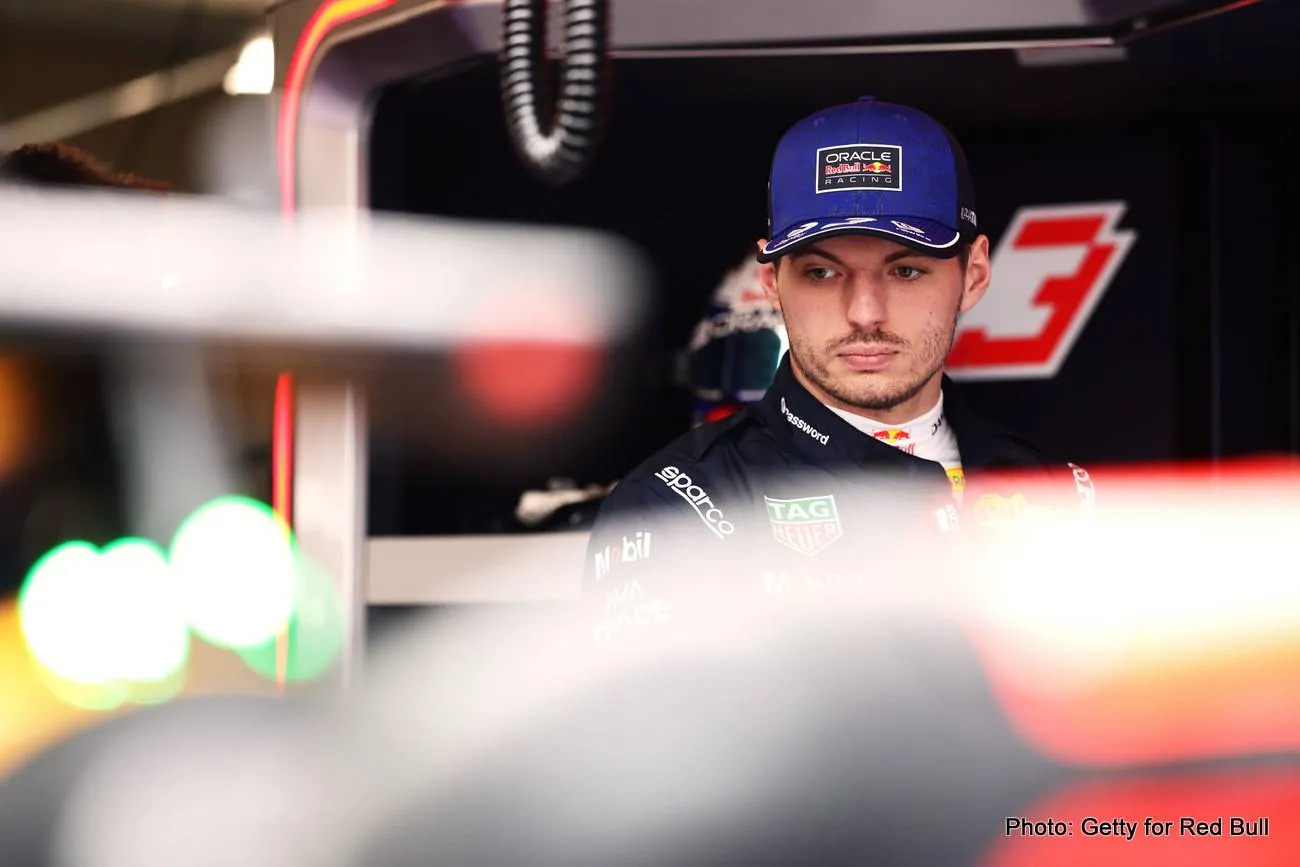
Upon seeing it, a short hop doesn't look harmful, but in reality, it plays a significant part in being carbon-intensive, making the parts of attending a Grand Prix extremely stressful. Additionally, this issue raises the need for smart planning and procedures. This is the reason, once Max Verstappen determined the actual importance to recharge, reset, and head straight to Zandvoort for the Dutch GP, in this way fans get benefits from better strategies and enjoy their race-weekend journey.
| Option | Typical Time | Approx. Cost | Practical Notes |
| 25–30 mph commuter scooters | 15–25 min (5–10 km) | $0.20–$0.40 per km (after purchase) | Flexible, traffic-proof; check helmet laws & local scooter rules |
| Metro / Bus + Walk | 25–40 min | $2–$6 | Lowest-carbon, affordable; can be crowded at peak exit times |
| Ride-hail / Taxi | 20–60+ min (traffic!) | $20–$60 | Surge pricing, long waits, 3–4× emissions vs transit |
| Walk only | 45–90 min | Free | Zero-carbon, healthy, but only feasible if staying nearby |
Officials who use their privately owned vehicles for official surveys, U.S government mileage reimbursements sets costs about $0.7 per mile. This comparison with e-scooters and ride-hail helps the rider to understand how it costs on driving a fuel-powered vehicle or mico-mobility.
Note: Each city has its own regulations regarding speed and circuit gates, especially for scooters. That's why it is always important to check the rules one day before the actual race
Local regulations vary; many cities require helmets above certain speeds, and some restrict scooters near circuit gates. Always check rules before race day to avoid fines or delays.
Formula 1-Inspired Buyer’s Checklist for 25–30 mph Commuter Scooters

If you're wondering what type of scooter suits you best, then check the list below. It will help you in making the right decision.
- Range & Hills: Through testing, it was concluded that those who carried weight or climbed hills tend to drop the range by 10-40%. Hence, go for models with 1,000 Wh+ batteries that give 25–30 miles of real-world range.
- Brakes & Tires: In order to get the enhanced stopping speed, look for ones having dual brakes, which are hydraulic or regenerative plus mechanical. In comparison to single systems, they reduce the stopping distance by 30–40 %. Also, the Pneumatic tires are best in comparison to solid ones.
- Lights & Visibility: In safety measures, LED lights and reflectors play a major role. During nighttime, it is necessary to have “be-seen" gear and lights installed.
- Fold, Weight & Portability: The lightweight feature gives you not only portability but convenience as well. You can easily carry it around, whether through circuit gates or security checks.
Nevertheless, in this scenario for 5-10 km miles, a compact dual-motor commute like the Resilient Mercane Wide Wheel Pro is best. That only gives effective brakes but an enhanced lighting system as well.
Plan a Lower-Carbon Race Weekend

Consider this playbook:
- Flights: Book direct whenever possible. According to the International Council on Clean Transportation, connections can add up to 20% more CO₂ per trip due to extra takeoffs and landings. Packing light also helps; each additional 10 kg of luggage adds roughly 7–10 kg of CO₂ over a 1,000 km flight.
Flight CO₂ (kg)≈Distance (km)×0.115kg CO₂ per km per passenger
- Airport → city rail/coach: Rail emits on average 85% less CO₂ than flying and 70% less than driving, based on EU transport data. Many F1 host cities (like Monza or Silverstone) run dedicated coach services, slashing congestion at airports.
- City → circuit: Public transit plus a scooter can cut last-mile emissions by more than 50–70% compared with solo ride-hail, while often halving journey times in heavy traffic.
- Charging/storage: Fire safety groups warn that unsupervised charging is a leading cause of hotel e-scooter incidents. Always charge in a visible, permitted space, and carry a folding lock and reflective strap for safe exits.
- Local rules: Cities like Paris, Singapore, and Las Vegas cap scooter speeds at 20–25 km/h and enforce helmet use. Check in advance to avoid fines or confiscations.
Urban vs Out-of-Town Circuits

Formula 1 venues aren’t all built the same; some are nestled in city centers, while others sit far beyond the urban core. These differences shape how fans tackle the last mile.
- Urban circuits: Shorter last-miles and dense transit networks make scooter use highly practical. Example: Monaco attracts around 250,000 fans per weekend.
- Fans benefit from walkable fan zones, trams, and metros.
- A commuter scooter offers flexibility—slipping through crowds, linking easily with transit, and speeding up late exits.
- Out-of-town circuits: Longer gaps from city centers mean different challenges. Example: Silverstone hosted about 480,000 fans in 2024, with parking often several kilometers from the circuit.
- Park-and-ride hubs are common, and pairing them with a scooter is the fastest way to cover the final 5–10 km.
Micro packing checklist for fans
- Helmet (mandatory or strongly recommended in many host cities).
- Compact charger (for supervised hotel charging).
- Folding lock (useful at gates, transit stops, or scooter docks).
- Reflective band (essential for late-night exits).
Do the Carbon Math Yourself

Hook: What if the quickest way to shrink your footprint was hidden in the final kilometers of your race weekend?
Simple formula: Emissions (kg CO₂)=Travel Distance (km)×Mode Impact Score
Where:
- Ride-hail/Taxi (0.25–0.35 kg/km): High emissions because fuel is burned for just 1–2 passengers.
- Bus/Metro (0.05–0.10 kg/km): Cleaner since emissions are shared across many riders.
- E-Scooter (0.02–0.03 kg/km): Lowest footprint, with impact coming only from battery charging.
Example comparison:
- 10 km ride-hail: 10 × 0.3 ≈ 0 kg CO₂
- 10 km bus + 2 km scooter: (10 × 0.07) + (2 × 0.025) ≈ 75 kg CO₂
- 12 km scooter: 12 × 0.025 ≈ 3 kg CO₂
Formula 1 Fans Need to Make Smart Travel Choices
If we have to refer to Net-zero as a true team sport, then it wouldn't be wrong to do so. That's why F1's 2030 goal can only be fulfilled if fans start making smarter travel decisions. Because the rapid carbon emission from this game can cause huge damage not only to fans but to games as well in the future.
So what are you waiting for? Start your smart ride now and search for commuter scooter options in the 25–30 mph class.
Additionally, if you genuinely want to know about your impact and keep track of it, then use our carbon footprint calculator.
Get the first step towards a greener future right at this moment!
Frequently Asked Questions

Can I ride a scooter on public transit?
It depends on the operator. Many metro and rail systems allow foldable scooters, but some ban larger or faster models during peak hours.
It depends on the operator. Many metro and rail systems allow foldable scooters, but some ban larger or faster models during peak hours.
Is 25–30 mph overkill in the city?
Not at all, local speed limits still apply, but having extra headroom helps on hills, mixed-traffic lanes, or when carrying a backpack.
Not at all, local speed limits still apply, but having extra headroom helps on hills, mixed-traffic lanes, or when carrying a backpack.
Where do I charge/store it at the hotel?
Ask your hotel in advance. Charge only under supervision, never in corridors, and avoid blocking fire exits
Ask your hotel in advance. Charge only under supervision, never in corridors, and avoid blocking fire exits
What if scooters are restricted near the circuit?
Fallback is simple: use transit plus walking. Wear supportive footwear, bring a lock for park-and-ride areas, and pack a reflective strap for safe evening exits.
Fallback is simple: use transit plus walking. Wear supportive footwear, bring a lock for park-and-ride areas, and pack a reflective strap for safe evening exits.
About the Author Tahseen Ameer
As the Content Lead at DRIDER E Scooters, Tahseen Ameer takes complicated ideas regarding electric scooters and city transportation and turns them into stories that people love to read. She wants to assist regular riders in making better, more environmentally friendly decisions, and she thinks that effective material should seem like a conversation, not a sales pitch.
Latest News





Loading