Austrian Grand Prix declared heat hazard as temperatures set to top 30C all weekend
F1 NewsThursday, 25 June 2026 at 14:24
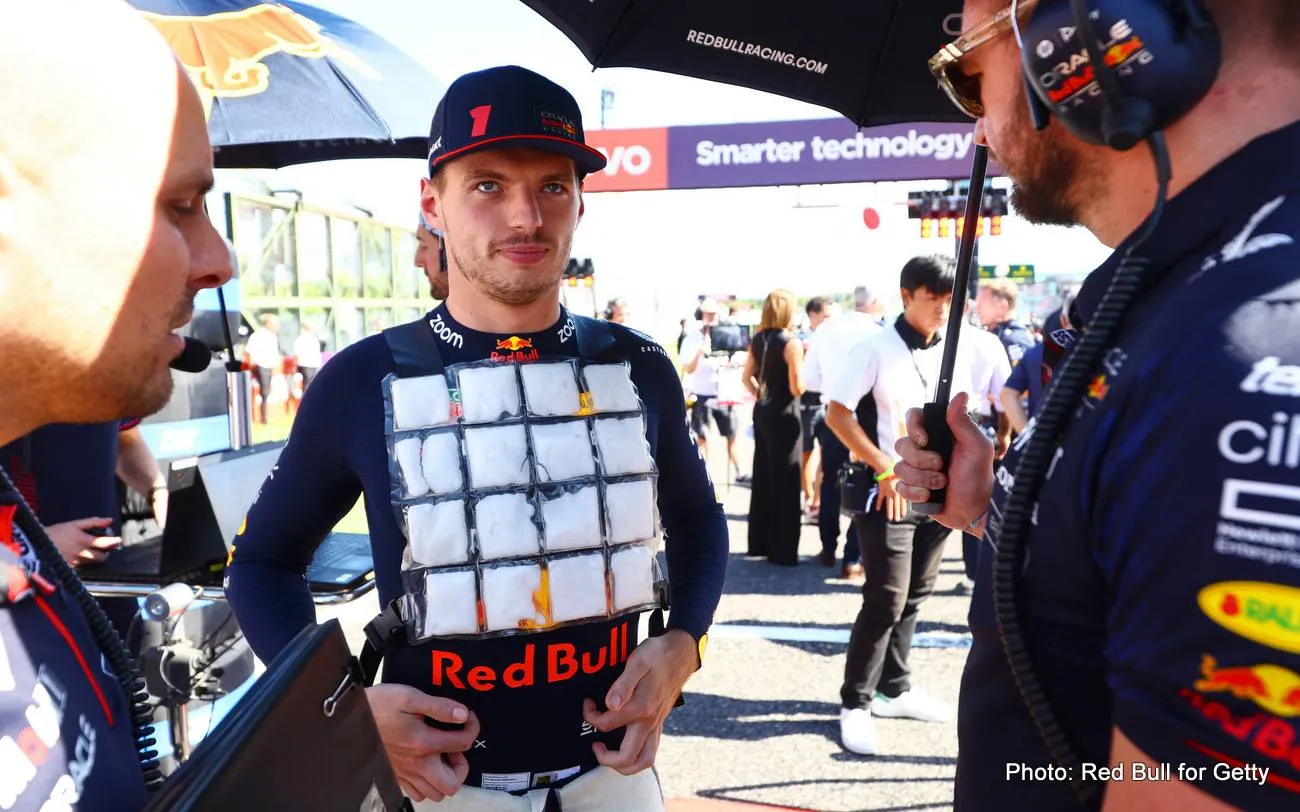
The FIA has declared this weekend's Austrian Grand Prix a heat hazard after weather forecasts predicted temperatures will exceed the governing body's threshold during Formula 1 track sessions at the Red Bull Ring.
The Official Weather Service has forecast temperatures above 31C while the cars are on track, with air temperatures expected to climb into the mid to high 30s throughout the weekend as a heatwave continues across much of Europe.
The declaration activates regulations allowing teams to install driver cooling systems on their cars to help competitors cope with the extreme cockpit temperatures expected during practice, qualifying and Sunday's race.
Under the rules, teams may fit additional cooling equipment, including a cooling vest designed to reduce drivers' core body temperature. The minimum weight of the car is increased to compensate for the extra equipment, ensuring no competitive disadvantage for those choosing to use the system.
However, the cooling equipment remains optional. Drivers who decide not to use the cooling vest must instead carry 5kg of ballast, maintaining parity between cars regardless of whether the system is fitted.
Verstappen: I just think it should be an option

The FIA introduced the cooling system following concerns over driver safety after several races were held in extreme temperatures. Cockpit temperatures can rise well above the ambient air temperature, placing drivers under significant physical stress during a race distance.
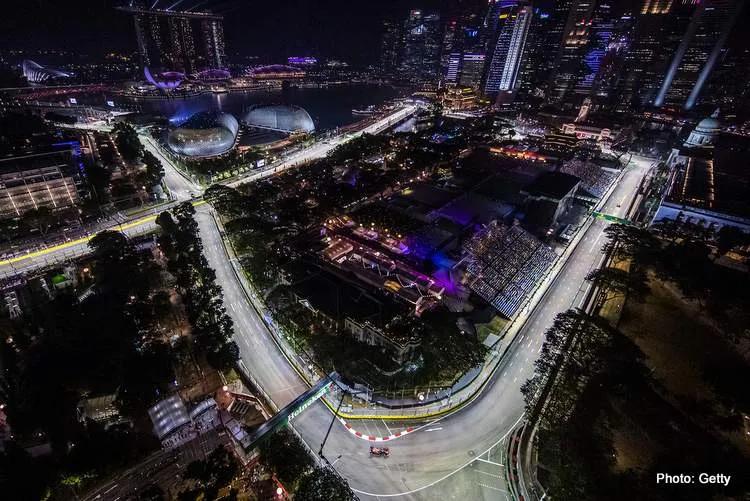
Heat hazards were also declared for last year's Singapore and United States Grands Prix, where drivers again faced demanding conditions.
Despite the safety benefits, some drivers have opposed suggestions that the cooling system should eventually become mandatory. Among them is Max Verstappen, who argued that competitors should be free to decide whether they want to use the equipment.
Thwe four time F1 World Champion said: "I just think it should be an option, that you can choose for yourself whether you want to wear it or not. It's a bit ridiculous to be honest. In the end, it's about your own safety and how you feel about it. I don't think they should make that mandatory at all."
With temperatures expected to remain exceptionally high throughout the Austrian Grand Prix weekend, teams will now have to balance driver comfort against weight distribution and performance as Formula 1 prepares for one of its hottest events of the 2026 season.
![Verstappen: I haven't used the [cooling] vest, not intending to](https://r.testifier.nl/Acbs8526SDKI/resizing_type:fill/width:3840/height:2560/plain/https://s3-newsifier.ams3.digitaloceanspaces.com/grandprix247.com/images/2025-11/verstappen-singapore-7-2025.jpg@webp)
Latest News





Loading