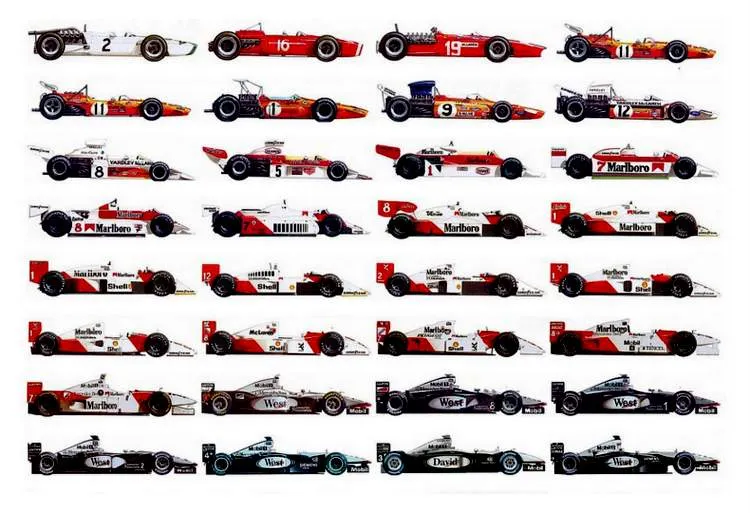
Formula 1 stands as a sport showcasing the most advanced automotive engineering in existence. Over many decades, F1 car design has developed through many transformations, which were based on the constant pursuit of greater speed, safety, and strategising.
The early days of F1 saw raw mechanical power and have been reformed into what is seen today with aerodynamic and hybrid-powered machines. Each generation of F1 cars reflects a varying link between tech, regulation, competitive spirit, and sheer passion for speed and power.
Without further ado, let's study F1 car design, its meticulous evolution into creating power, and conjoining different industries through innovation.
In the early 50s and 60s, F1 cars were focused entirely on engine power output and speed to create the ultimate beast. Today, cars are carefully crafted towards designing aerodynamic cars capable of high speed due to the change of importance in improving lap times, and being able to compete on more technical tracks.
The 60s and 70s saw the inclusion of wings, diffusers, and sleek body shape designs to comply with ground clearance and wind tunnel testing ability. Through these factors, the science behind aerodynamics has become of great importance.
Modern F1 cars are like engineering wizards, creating so much downforce at extraordinarily high speeds. This grip lets drivers power through corners with precision, redefining what "performance" means in the world of racing.
Power-Based Design and Hybrid Innovation

In 2014, true innovation was reached when Formula 1 introduced turbo-hybrid power units. This took away the focus on combustion and steered towards combination fuel engines with Energy Recovery Systems, which could convert heat and kinetic energy into additional engine power.
The innovative hybrid systems, in essence, forced team experts to reevaluate their mechanical components (e.g cooling systems and batteries). To make things even more challenging, the Grand Prix hinted at an inclusion of sustainable energy innovations, which is now a pivotal factor in the F1’s identity.
In the past, safety was often overlooked for speed. But after tragic incidents like Ayrton Senna’s fatal crash in 1994, FIA regulations took a turn towards safer racing.
Today’s F1 cars are designed to protect drivers at all costs. Key safety innovations include:
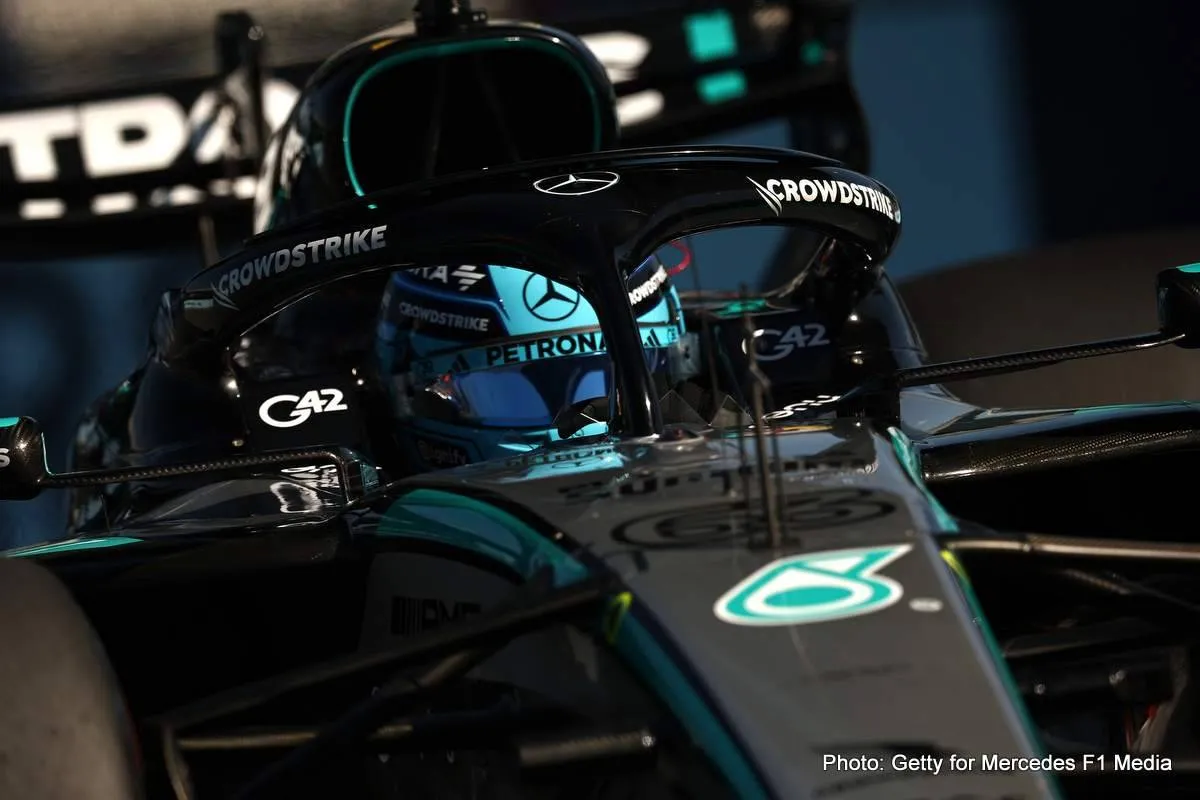
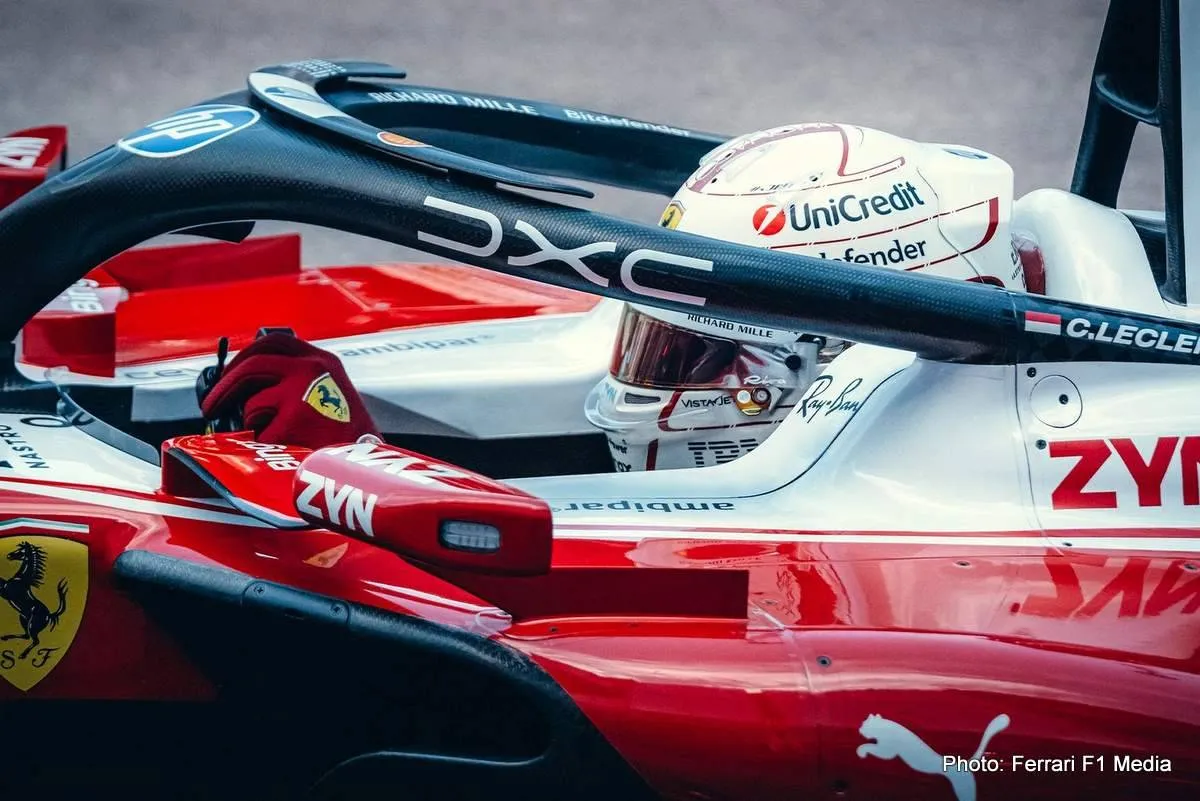
- The Halo device, introduced in 2018, shields the driver’s head from flying debris.
- Carbon fibre monocoques which offer exceptional strength without adding weight.
- Survival cells and crumple zones that absorb crash energy during impact.
No driver has died in an F1 race since 2014, and much of that credit goes to the relentless innovation in safety design.
Digital Simulation and Data Modelling

F1 teams no longer rely as strongly on physical testing. Many design choices today are created digitally, where teams use Computational Fluid Dynamics (CFD), telemetry, and simulation tools to test every aspect of a car before it hits the track.
This has enabled faster prototyping, accurate predictions, and smarter strategies. Data is gathered in real time during races and used to optimise everything from tire wear to fuel consumption.
The ability to make decisions based on millions of data points per race is one of the most impressive technological advancements in motorsports.
Formula 1’s knack for innovation is so intense that its influence stretches way beyond the racetrack, touching industries like aerospace, defence, and even online entertainment. F1 is like a high-speed lab, testing cutting-edge tech that eventually trickles down to other fields.
Take digital gaming platforms like BitStarz, for example—they draw inspiration from the same principles. They prioritise lightning-fast performance, user-friendly designs, and top-notch security to create slick, immersive experiences for players.
The Future in Grand Prix F1 Car Design

While racing and gaming might seem worlds apart, they both lean on the same kind of performance engineering and real-time tweaks.
Whether it’s fine-tuning airflow to make an F1 car slice through corners or balancing server loads to keep a gaming platform running smoothly, the mission is clear: deliver the fastest, most seamless experience possible.
The evolution of F1 cars is far from over, especially considering F1's commitment to becoming net zero by 2030. With more progress in biofuels, sustainable materials, and electrical components, there is still much space for innovation.
Likely innovations to hit the track first include self learning AI for strategy optimisations, further weight reduction, and active aerodynamics. These innovations are sure to excite fans of racing and engineers alike.
The evolution of F1 car design shows constant innovation. What began as a quest for speed has grown into a balanced equation of power, protection, and precision. As motorsport continues to push technological boundaries, it also sets new thresholds for innovation across industries.
Latest News




Loading