Formula 1 races dazzle millions with speed, precision, and high stakes. But the action on track relies heavily on something far less glamorous in the form of logistics.
The behind-the-scenes crew manages an incredible task. They move cars, parts, tools, and entire team setups across continents under strict deadlines.
These overlooked yet essential team members operate fleets of specialized trucks, manage air freight logistics, and ensure everything arrives intact for each Grand Prix weekend.
It’s a story of expertise and grit that deserves more recognition. Stay tuned as we talk over each of the most important roles and the contribution they make to the sport we all love.
The Intricate Web of Formula 1 Logistics Coordination
Formula 1 logistics isn’t just about moving items from point A to B. It’s a carefully orchestrated operation, balancing precision and efficiency to ensure the global racing calendar runs smoothly.
Key responsibilities include:
- Organizing the movement of cars, spare parts, and team equipment between races
- Managing customs paperwork for international borders without delays
- Synchronizing air freight schedules with ground transport needs
The challenge increases during back-to-back race weekends. In these cases:
- Teams rely on split shipments where duplicate sets of gear travel simultaneously
- Coordination happens across time zones using real-time tracking software
A single oversight could delay an entire event. That’s why F1 relies on skilled logistics professionals who treat every detail as critical, whether it’s timing flights or securing last-minute permits. They keep the wheels turning behind motorsport's fastest machines.
Moving the Paddock
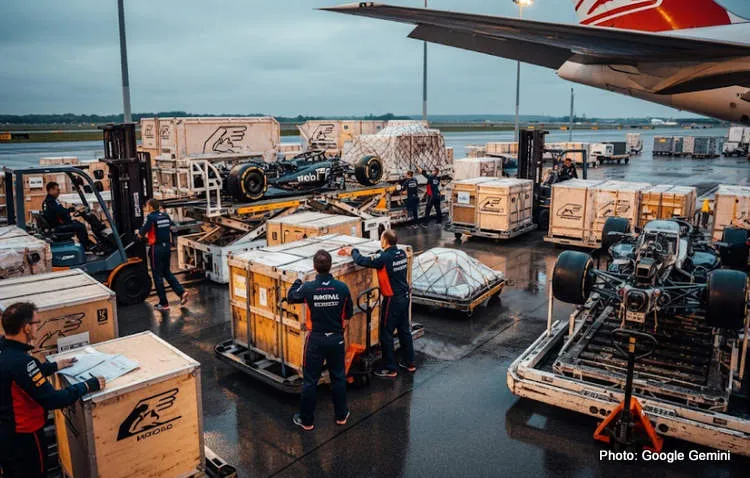
Formula 1 teams operate like traveling cities, carrying tons of gear between continents for each Grand Prix. The logistics demand careful planning and specialized methods to handle the massive loads efficiently.
Here’s how they do it:
- Teams use fleets of custom-designed trucks in Europe for land transport
- For overseas races, equipment travels by cargo planes with precisely arranged packing lists
- Sea freight handles larger items that don’t need immediate access at circuits
During European races, teams pack everything into modular containers that fit perfectly into trucks. This reduces the time spent unpacking at each location. For intercontinental events, lighter airfreight kits ensure faster airport handling and smoother customs processes.
Flexibility is critical when weather or unforeseen issues arise on travel days. Through advanced tracking systems and contingency plans, logistics crews adapt quickly to ensure every piece arrives before the race weekend kicks off.
Maintaining F1’s Heavy Transport Fleet
Behind the spectacle of Formula 1 lies a fleet of heavy-duty trucks, essential for transporting cars, equipment, and even mobile hospitality units. These vehicles are purpose-built to ensure reliability over long distances under tight deadlines.
Their unique qualities include:
- High-performance diesel engines designed for fuel efficiency and power
- Custom trailers that securely house fragile F1 components
- Advanced suspension systems to handle variable road conditions
Maintaining these trucks is no simple task. Many mechanics require an associate degree in diesel technology to develop the specialized skills needed for repairs and diagnostics on such complex machinery. Routine maintenance includes inspections of braking systems, engine tuning, and trailer safety checks.
Without these expertly maintained transporters, race teams couldn’t guarantee their multi-million-dollar setups arrive intact at circuits worldwide. It’s this attention to detail that ensures seamless operations between races.
How Teams Protect Their Equipment During Transit
Transporting fragile and expensive Formula 1 gear requires meticulous packing to prevent damage, which is essential given the $400 million in costs that teams accrue in R&D each year, before the hardware itself makes it to the track. Every piece, from car parts to data servers, is packed with military-level precision to ensure safety during transit.
Strategies teams use include:
- Custom-built flight cases designed for each specific item
- Foam padding and shock-resistant materials inside containers
- Labeling systems that allow easy identification and quick access
Larger components like chassis or wings are disassembled for compact storage, reducing the risk of damage. Smaller yet critical items, such as telemetry tools or spare electronics, are packed in temperature-controlled cases to avoid malfunction caused by extreme conditions.
Logistics staff rehearse packing procedures before each season begins. These “dry runs” streamline the process when time is limited between races. This level of preparation guarantees equipment arrives at circuits ready for assembly without delays. Because when hold-ups do happen, the disruption is potentially dire.
Exploring Multimodal Freight Solutions in F1
As mentioned, Formula 1 logistics combines different transportation methods to move equipment efficiently around the world. Teams rely on multimodal freight solutions that balance speed, cost, and reliability based on race locations.
Key transport options include:
- Air freight for high-priority items like cars and garage setups
- Sea freight for bulkier or less time-sensitive cargo such as hospitality units
- Road transport within continents like Europe where circuits are closer together
Air freight is often the fastest but most expensive choice. To save costs, teams plan sea shipments months in advance, ensuring essential items arrive at destinations well ahead of race weeks.
Coordination across these modes involves seamless communication between airlines, shipping companies, and ground crews. Careful scheduling prevents delays caused by missed connections or customs hold-ups.
Collaboration Between Logistics Staff
The success of Formula 1 logistics depends on teamwork across multiple roles, each contributing specialized expertise. These behind-the-scenes professionals ensure smooth operations even under intense pressure and tight deadlines in order to keep the 826 million fans around the world happy.
Collaboration involves:
- Logistics coordinators managing schedules, permits, and documentation
- Drivers handling long hauls with precision and care for high-value cargo
- Technicians maintaining transport vehicles to avoid breakdowns en route
During race weekends, team communication becomes critical. On-site crews work closely with off-site planners to handle last-minute challenges like unexpected weather or airport delays.
A single delay in one department can ripple through the entire operation. That’s why every member must stay synchronized using real-time updates and contingency plans.
The way forward for Formula 1 logistics
In short, the precise nature of Formula 1 is apparent behind the scenes as much as it is on the track. Logistics teams are often invisible to fans, but play a vital role in keeping the sport moving across continents.
Their expertise and dedication ensure every Grand Prix unfolds seamlessly, proving they’re as essential as the drivers themselves. Next up, after the summer break is the Dutch Grand Prix at Zandvoort, Round 15 of the 2025 Formula 1 World Championship.
Latest News






Loading