
Formula 1 is known worldwide as the pinnacle of motorsports, but its popularity is on the rise faster than ever in the United States, thanks to the success of events like the Miami Grand Prix and the upcoming Las Vegas Grand Prix.
Formula 1 is about iconic engineering, fierce competition, and, quite importantly, big money. Understanding the sport's finance is meaningful if we want to see how these racing giants sustain themselves, especially as they broaden their presence in the American market.
From the outside, it might look like F1 teams have unlimited budgets. After all, they ship cars around the globe and employ hundreds of specialists. However, the behind-the-scenes story is about balancing income from sponsorships, prize purses, media rights, and other streams against the enormous price. You're not alone if you’ve ever wondered how much it costs to run an F1 team.
Firstly, let’s set the stage for our journey. We’ll look at the major expenses, such as research, development, and logistics, and define how Formula 1 teams earn money through sponsorships, merchandise sales, and more. When rapid decisions are required due to unforeseen circumstances, some teams may rely on adaptable financing measures, much like the fast access offered by Magnolia payday loan. If you’re ever in the same boat of juggling expenses in your own life, you might find it helpful in filling financial gaps that require quick solutions.
The Cost of Running a Formula 1 Team
Each season is still amazing because of how Formula 1 teams juggle huge expenses.
Research and Development
Developing a competitive Formula 1 car is like pushing the boundaries of physics. Some top teams spend over $400 million as a cost cap per season on R&D alone. This includes money for wind tunnel testing, computational fluid dynamics, and advanced materials research. In F1 finance, a large chunk goes into figuring out how to make the car corner faster and reduce drag on long straights.
Teams like Mercedes and Red Bull Racing often experiment with hundreds of design concepts before finalizing a single component. Every tweak can shave milliseconds off lap times, and in a sport where victory margins can be under a second, those milliseconds matter.
Manufacturing and Technology
After research comes production; building an F1 car is not like slapping parts onto a chassis in a backyard garage. Each carbon fiber piece has to be engineered with NASA-level precision. High-end 3D printers and specialized autoclaves are used to create lightweight but incredibly strong components.
The Formula 1 team cost for manufacturing covers everything from the gearbox to the steering wheel display, costs that can run into tens of millions of dollars. In the U.S., we’ve seen technology from aerospace companies in California being utilized by F1 teams for parts production, making manufacturing an even more complex (and costly) affair.
Team Operations
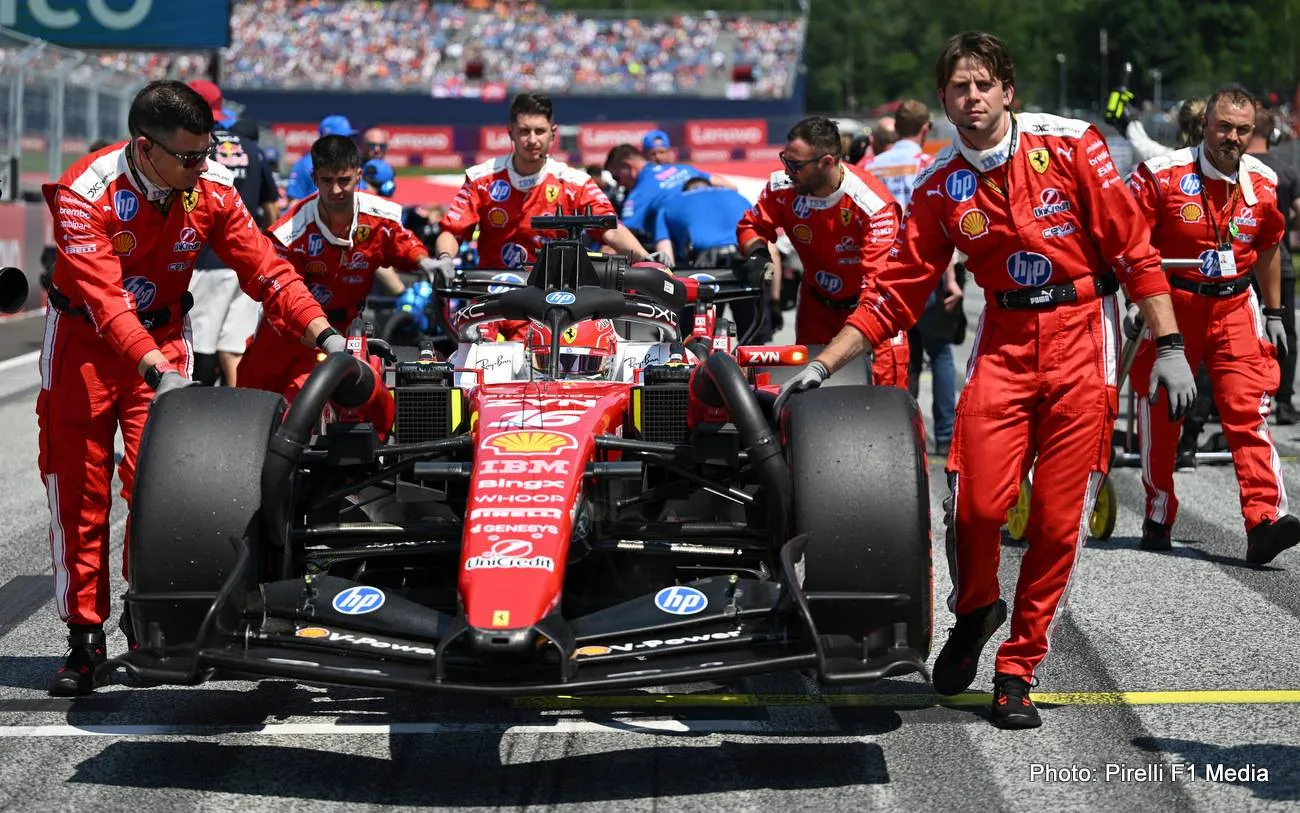
Think of a small army. You have drivers, engineers, tire specialists, data analysts, chefs, pit crew, and more. An F1 team can have around 600 to 800 employees, depending on its size. Even smaller outfits like the Haas F1 Team, which has American roots, still have a hefty payroll.
Top drivers can earn salaries north of $40 million per year, while key engineers might draw six-figure incomes. Wondering how much does it cost to start an F1 team, look no further than the staffing needs, by some estimates, you’re looking at a minimum of $2 million to $3 million a month just to maintain a competitive workforce for a mid-tier team.
Marketing and Branding
Formula 1 teams invest heavily in marketing to keep sponsors happy and fans engaged. The global fanbase of F1 is around 750 million viewers, with growth in the U.S. through Netflix’s “Drive to Survive” series. To tap into such an expanding American audience, teams host promotional events, run social media campaigns, and produce team merchandise like branded jackets, mugs, and more. Marketing budgets can range from $5 million to $20 million annually, depending on the ambition and size of the team’s brand-building efforts.
Race Weekend Expenses
If you ever have the chance to see the F1 paddock, you’ll notice it’s a fully functioning mini-city on race weekends. Freight costs alone, with shipping cars, spare parts, and garage equipment, can reach $8 million to $10 million per season. There are also travel and lodging expenses for the entire crew. U.S.-based events, like the Circuit of The Americas race in Austin, require European teams to handle high freight fees and long-distance flights.
Revenue Streams of an Formula 1 Team
There are so many creative ways that teams boost their incomes, and each method helps keep the wheels turning.
Sponsorship Deals
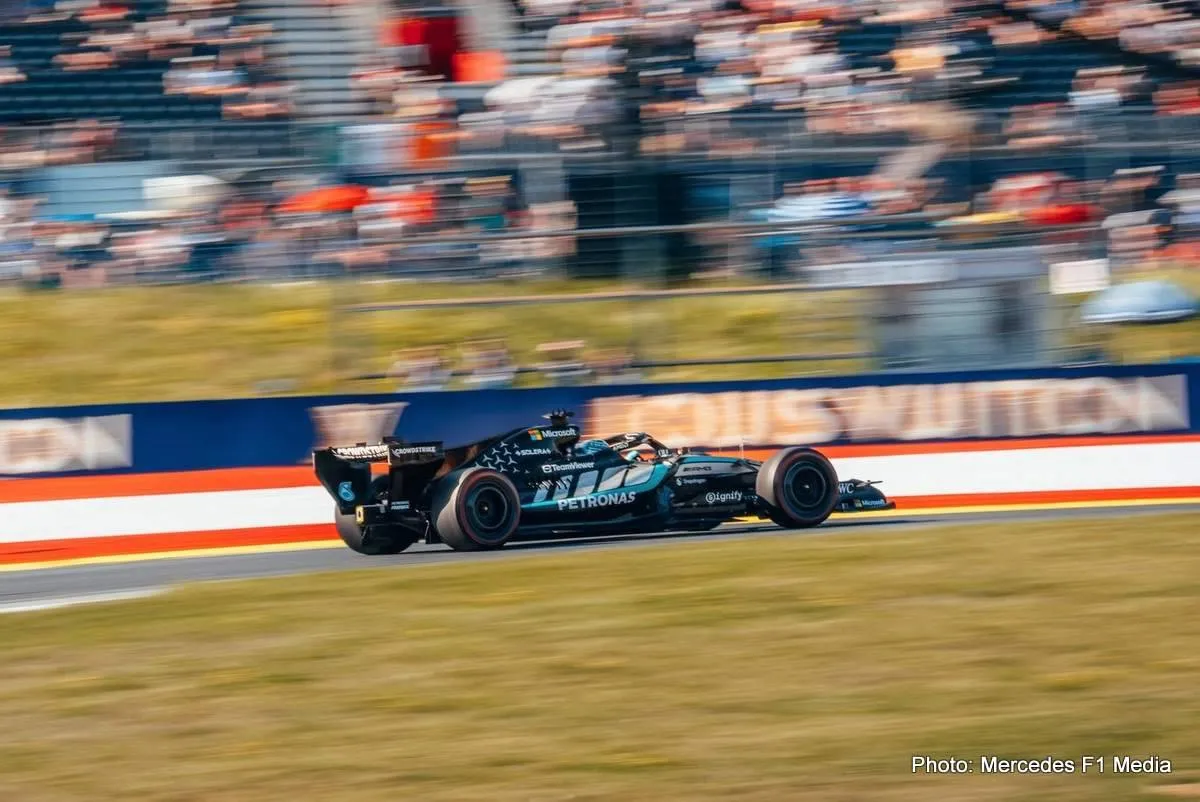
Sponsorships remain the biggest money-maker for F1 teams. Estimates suggest they provide 60% or more of total income. Title sponsors like Petronas (with Mercedes) or Oracle (with Red Bull Racing) often pay well over $50 million a season. These deals cover car livery, driver overalls, and commercial appearances.
Smaller sponsors might chip in a few hundred thousand dollars for a logo spot on a wing or the driver’s helmet. If you’ve ever asked, how do F1 teams make money, sponsorships are the first and most meaningful answer. Companies such as Coca-Cola, Amazon, and Salesforce have all dabbled in F1 sponsorship to tap into the sport’s expanding fan base.
Formula 1 Prize Money
Formula 1 distributes its prize money based on the Constructors’ Championship standings, with the total pool often exceeding $900 million globally. Teams that finish at the top of the Formula 1 race earn a major cut, sometimes surpassing $100 million. Midfield and lower-tier teams might see $60 million or less.
Distribution system motivates teams to fight for every point, because each position can mean millions of dollars. For an American-influenced example, the Haas F1 Team might earn less than the top squads, but every point gained helps secure prize money to maintain and grow the team.
Merchandise Sales
F1 fans love sporting caps, T-shirts, and jackets of their favorites and drivers. Official merchandise shops can add millions to a team’s annual revenue. Ferrari, as an instance, boasts one of the biggest communities of fans and sees strong global sales. Mercedes and Red Bull Racing also rake in substantial figures, especially with the sport’s recent growth in popularity. While you won’t see tens of millions from merchandise alone, every bit helps offset the sky-high F1 team budget.
Media Rights and Licensing
The F1 Group manages media rights deals worth more than $1 billion. Teams benefit indirectly through the revenue share. By licensing team logos, cars, and driver likenesses for use in video games, merchandise, or special collaborations, teams create additional income streams. Whether it’s the official Formula 1 video game or scale model cars, the brand licensing profits can reach several million dollars per year for top-tier teams.
Parent Companies and Investors
Some F1 teams are owned by major corporations or wealthy individuals who can absorb high costs and invest for long-term brand recognition. Red Bull invests heavily in its racing operations as part of its global marketing strategy. Private equity firms may buy stakes in teams, hoping for a return if the team climbs up the standings and secures more lucrative deals. Deep-pocketed investors often provide the safety net that keeps a team afloat during tough seasons.
Financial Difficulties Faced by Formula 1 Teams
With great expenses come great responsibilities and even bigger challenges.
Rising Costs
Every year, cutting-edge technology becomes more and more complicated and more expensive. Aerodynamic research, advanced electronics, and specific materials all add up. Total team spending rose from 2019 to 2021, partly due to inflation and post-pandemic supply chain issues.
A High Competition Among Teams
In many sports, having more resources means you have a better shot at winning. F1 is no different. The big teams have always outspent and outperformed smaller teams. This spending gap can exceed $50 million or more. Smaller teams must stretch their dollars carefully just to stay in the mid-pack. This disparity captions the question, how much do formula 1 teams make, since finishing lower in the standings means smaller prize payouts.
Dependence on Sponsorships
Sponsors can come and go based on market conditions and performance of the team. When the 2008 financial crisis started, several sponsors pulled out of the sport, forcing teams to merge, rebrand, or exit entirely. More recently, sectors like crypto, have become sources of sponsorship. If a key sponsor leaves mid-season, a team might lose millions of dollars.
Adapting to Budget Caps
To level the playing field, the FIA introduced a budget cap of around $145 million for the 2021 season. This limit excludes driver salaries and marketing costs but still forces teams to rethink spending. Large squads with bigger infrastructures had to trim their workforce or move personnel to other projects. Meanwhile, smaller teams found it easier to comply but still need to be smart about where they allocate funds. The push for cost efficiency has led to more strategic decision-making, though critics argue that larger teams still benefit from superior existing infrastructures.
The Role of Budget Caps in Formula 1
Numerous team principals say the cost cap is the single biggest change to F1 finance in decades.
What is The Cost Cap
The budget cap aims to ensure that spending does not spiral out of control and that the sport remains sustainable. It also intends to give smaller teams a fighting chance against the juggernauts. Some teams have viewed it as a big step forward, citing that it helps create a more level competitive field. However, the rules around what counts toward the cap can be complex. Teams can still pour resources into areas like driver salaries, marketing, and high-end facilities.
Impact on Big vs. Small Teams
A top team may have to reduce staff, reassign positions, or limit how many upgrades they can test. Meanwhile, a smaller team, which was already operating on a small budget, might not be as affected. Even if you have a new outfit that is willing to spend big, the cost cap restricts them from outspending more established teams. That could make the sport more competitive for a long time, but the wealth of experience and existing resources at top teams still offer a big advantage.
Encouraging Innovation
When you can’t simply throw money at a problem, you must find smarter, more cost-effective solutions. This is perhaps the biggest benefit of the budget cap. The push for efficiency could cause new breakthroughs in aerodynamics, materials science, and even digital simulations. Many American tech companies see this as an opportunity to collaborate with F1 teams, offering data-driven solutions that are cheaper than traditional manufacturing methods. By sharing or licensing innovative tech, teams might unlock new revenue sources.
The Financial Strategies of Top Formula 1 Teams in Case Studies
As for someone who’s followed F1 finances for years, there are specific examples highlighting how different teams approach spending and income.
Mercedes-AMG Petronas
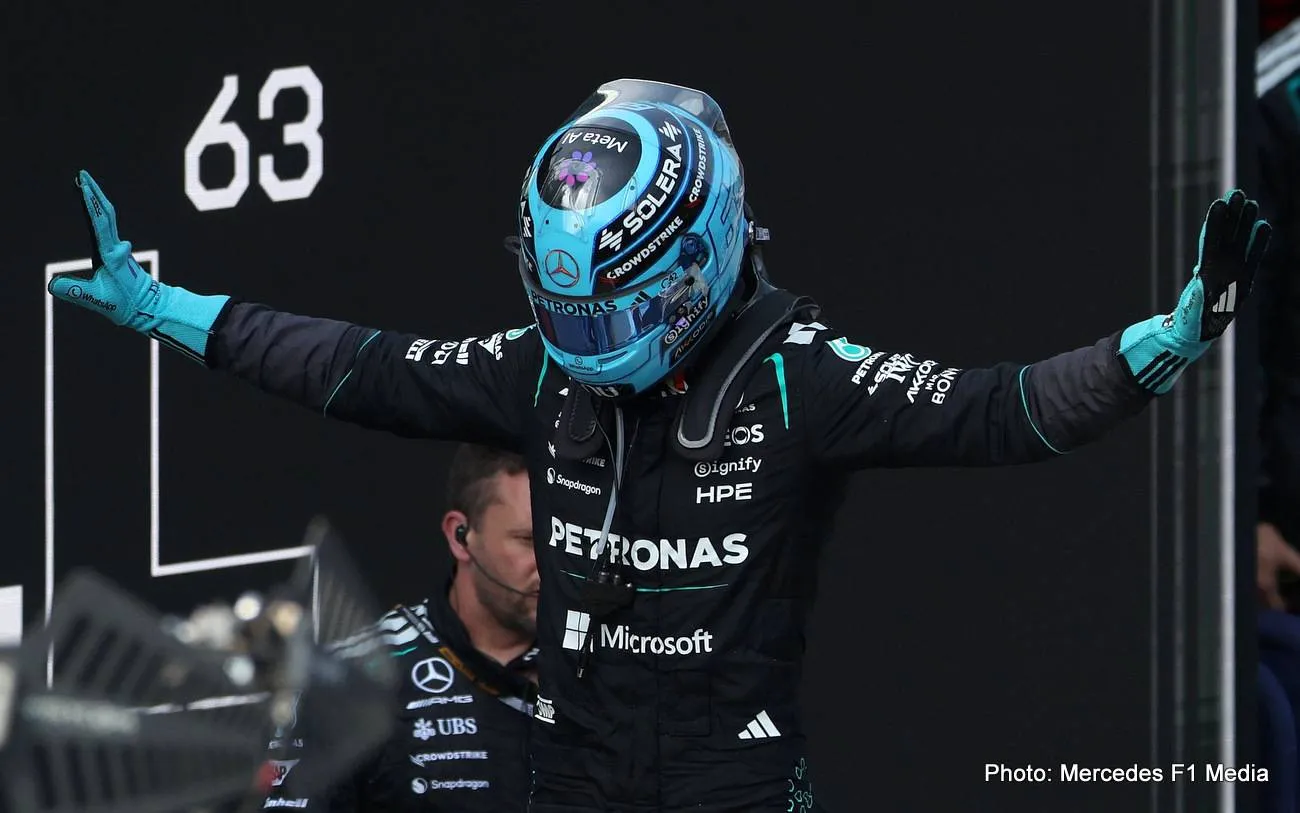
Mercedes has dominated the sport in recent years, winning multiple World Championships. They heavily invest in R&D, focusing on efficient spending within the F1 team budget. Their partnership with Petronas is rumored to be worth more than $60 million annually, and additional deals with INEOS and TeamViewer push that figure higher. Mercedes earned over $100 million in prize money during its championship-winning seasons.
Red Bull Racing
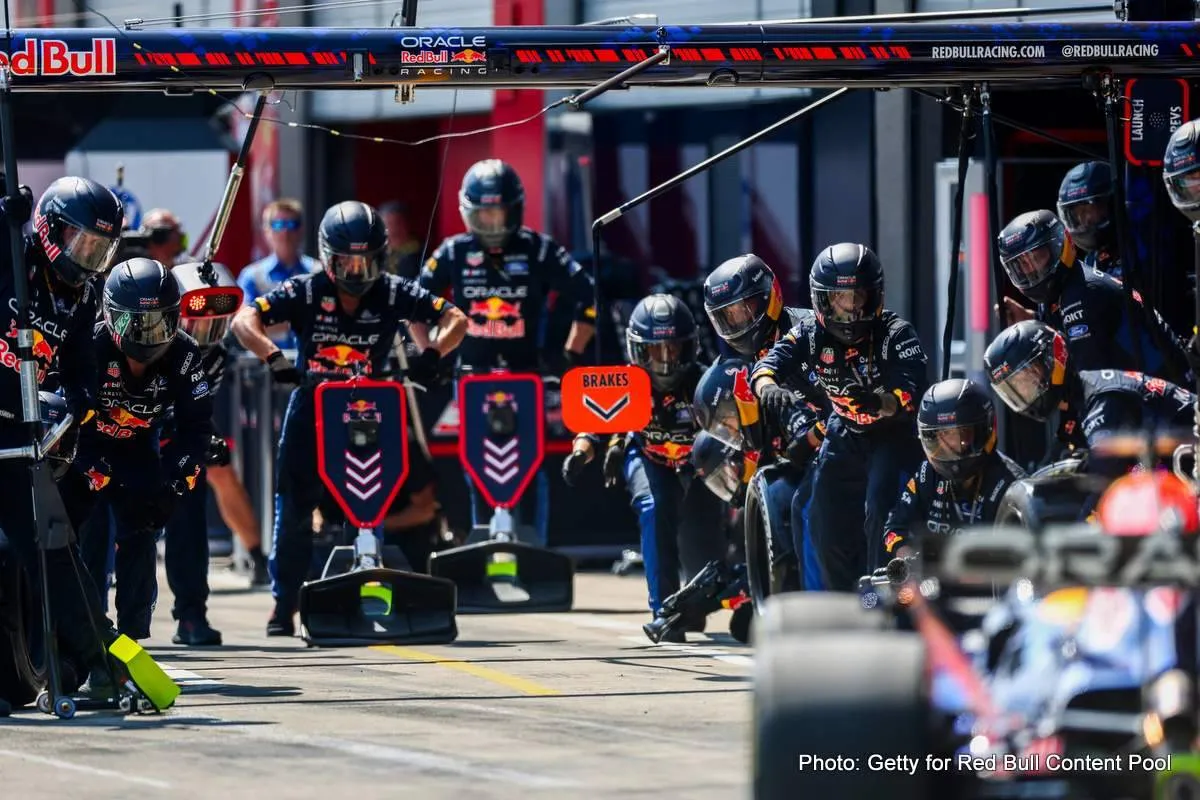
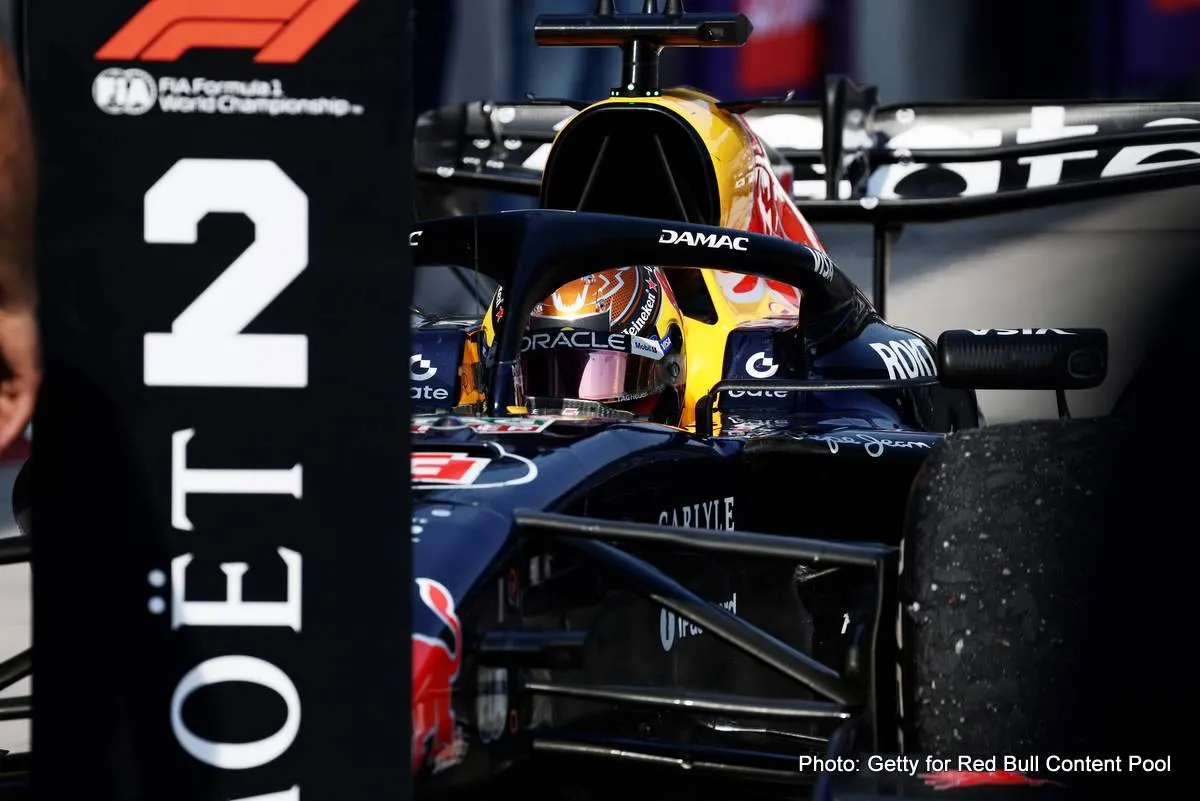
Red Bull uses F1 as a global marketing platform for its energy drink empire. They are known for investing in cutting-edge technology, from advanced simulators to data analytics. The synergy between Red Bull Racing and Red Bull’s marketing machine helps the team tap into a vast global audience. They benefit from major sponsorship deals like Oracle, which adds tens of millions of dollars to their coffers. This approach shows how F1 teams make money by integrating race successes into a global brand strategy.
Williams Racing
Once a dominant team in past decades, Williams has faced financial struggles more recently. However, new investors and management changes have given them fresh life. They focus on strategic partnerships and share technology with bigger teams where regulations allow. While their budget might not match that of Ferrari or Mercedes, Williams illustrates how a smaller team can survive and thrive through careful sponsorship deals and technical alliances.
How Teams Balance Performance and Profitability
Many team principals and managers have said that the biggest challenge is choosing where to place each dollar.
Strategic Spending
Some teams pour the majority of their resources into aerodynamics, when others prioritize engine development or even driver training. The analysis of lap-time gains and metrics let teams distribute budgets to areas that yield the highest return. This is especially vital under budget cap rules, where an extra $1 million might be the difference between a race-winning upgrade and a mid-season slump.
Driver Salaries and Contracts
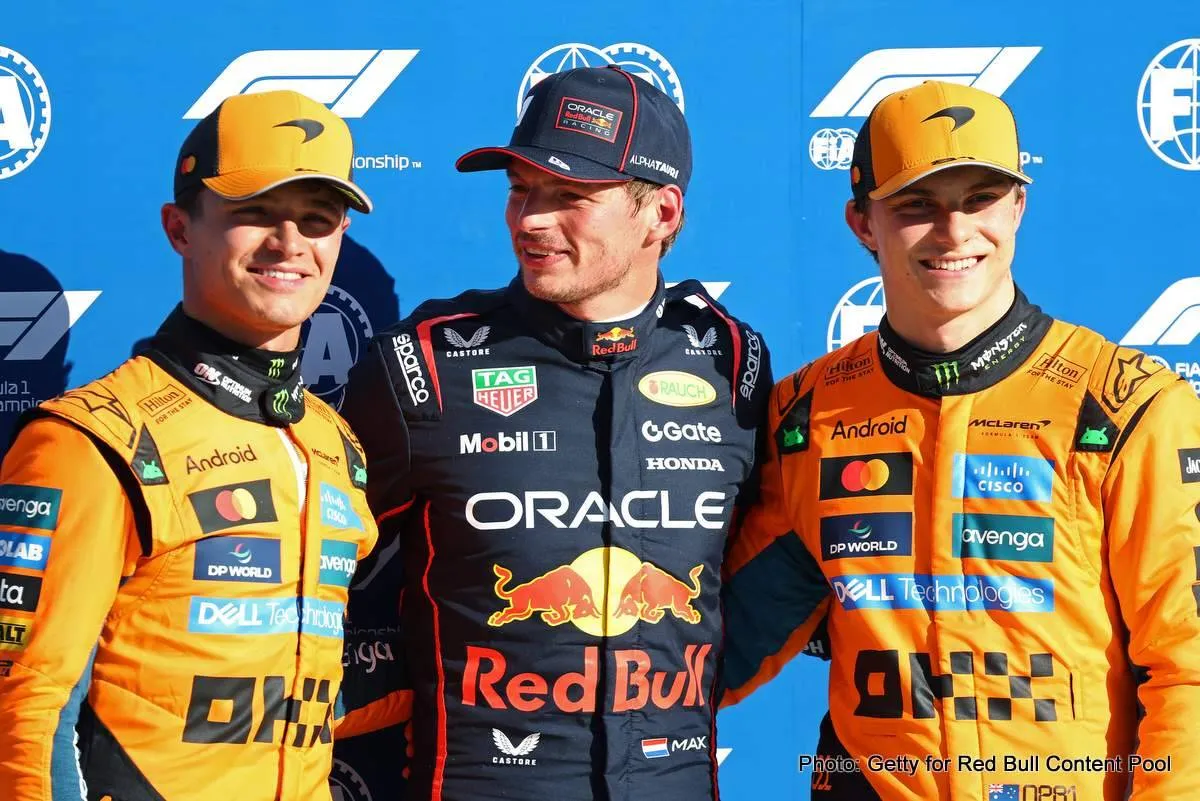
Drivers are the face of the team. Elite drivers like Lewis Hamilton or Max Verstappen can draw salaries upwards of $40 million. But for a smaller team, it might be smarter to invest in up-and-coming talent at a fraction of the price. This approach frees up funds for R&D or wind tunnel testing, balancing performance gains against star power.
Investment in Young Talent
Driver academies are another way teams manage budgets. By training young drivers in-house, teams can save on recruitment costs and shape driving styles that fit their car philosophy. Ferrari’s Driver Academy, for instance, has produced promising talents, and Red Bull invests heavily in scouting young drivers through karting programs.
The Future of Formula 1 Team Economics
Motorsport experts agree that the future of F1 team budgets is shaped by technology, sustainability, and fan engagement.
Sustainability Goals
Formula 1 is wishing to become carbon neutral by 2030. While that sounds ambitious, new fuel technologies and hybrid power units are already pushing the sport forward. Sustainability is a powerful branding opportunity. Yet, going green comes at a cost. Developing new eco-friendly systems can run into millions of dollars, but it gives a chance for corporate sponsorships from environmentally conscious companies.
Expanding Revenue Streams
Digital engagement is a goldmine. Teams are now creating exclusive content on YouTube, Twitch, and TikTok to find a connection with younger American audiences. F1 eSports events such as SimRacing have gained traction in the U.S., attracting sponsorships from major brands. Virtual hospitality experiences, trackside apps, and NFTs are all new ways teams can make money without adding to F1 team cost in a major way.
Financial Resilience
One lesson from recent economic downturns is that diversification helps. Teams that rely solely on a single sponsor or a single revenue stream risk collapse when the market takes a hit. Partnerships with a range of sponsors, robust merchandise sales, and strong investor backing create a financial cushion. With the U.S. market for F1 expanding, teams have more opportunities to secure new sponsors and strengthen their presence.
A Look Into The Future of Formula 1
Formula 1 has never been more exciting or more accessible. Fans in the U.S. are witnessing firsthand the massive investments teams make in technology, driver talent, and logistical prowess. At the same time, we see how much sponsorship deals, prize money, and new revenue streams matter to cover the steep bills. In a world where how much F1 teams spend is a question with answers in the hundreds of millions, the action between performance and profitability never ends.
For all its complexity, Formula 1 remains a compelling story of human ingenuity and corporate strategy. Teams strive to go faster, spend smarter, and stay profitable, all while battling for victory on some of the most famous racetracks in the world. Moving forward, American interest in F1 could bring fresh investment and new ideas, guaranteeing that the sports’ economics continue to evolve. Well, the economics of a Formula 1 team shows just how much passion and cash fuel the greatest racing show on Earth.
Latest News



Loading