How Safety Innovations Transformed Formula 1 Over the Decades
F1 NewsTuesday, 17 December 2024 at 03:42
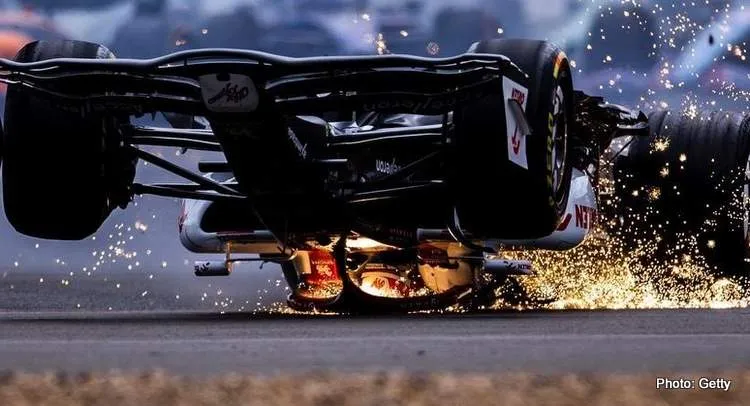
Formula 1 has long been celebrated as the pinnacle of motorsport, blending speed, skill, and technology. However, the sport’s history has been marred by tragedy, with many lives lost in pursuit of glory.
Over the decades, Formula 1 has embraced a culture of continuous improvement, particularly in safety. This report delves into the key innovations that have made F1 one of the safest forms of motorsport today, protecting drivers and enriching the sport for fans worldwide.
The Early Days: A Dangerous Era for Formula 1

When Formula 1 debuted in 1950, safety was an afterthought. Cars were built for speed, not protection, and circuits lacked proper barriers or medical facilities. Helmets and seatbelts were rudimentary, if used at all. In this era, fatal accidents were heartbreakingly common, underscoring the urgent need for change.
The death of Ayrton Senna in 1994 during the San Marino Grand Prix was a pivotal moment. It catalyzed sweeping reforms, forcing the FIA to prioritize driver safety. This tragedy became a wake-up call for the sport, leading to the establishment of new standards that have saved countless lives since.
Game-Changing Safety Innovations

1. Crash Structures and Carbon Fiber Technology
Modern F1 cars are built with survival cells made from carbon fiber, a lightweight yet immensely strong material. These cells are designed to absorb the energy of high-speed impacts, protecting drivers from serious injury. Front and rear crash structures further dissipate energy during collisions, reducing the force transferred to the cockpit.
The infamous crash of Romain Grosjean at the 2020 Bahrain Grand Prix highlighted the effectiveness of these innovations. Despite his car splitting in half and bursting into flames, Grosjean walked away with only minor injuries—a testament to the advances in car design.
2. The Halo Device
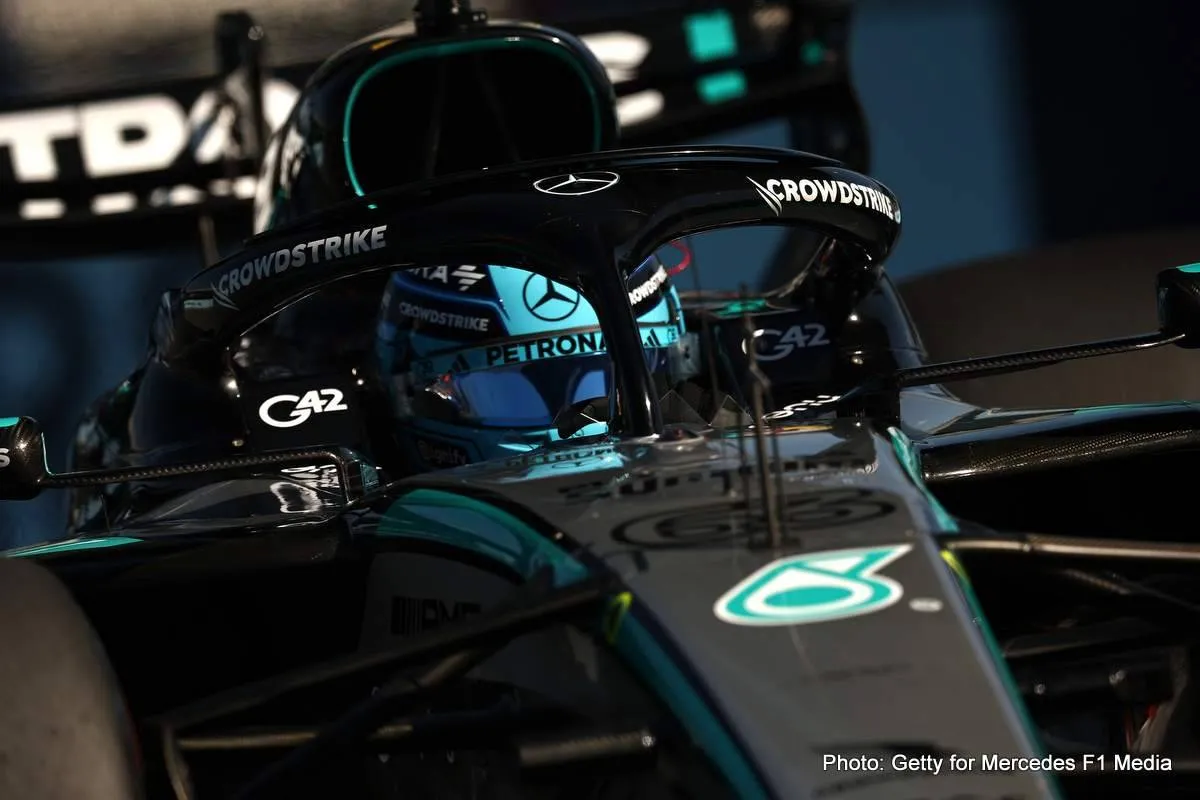
One of the most controversial yet transformative safety features in F1 is the halo device. Introduced in 2018, this titanium structure surrounds the cockpit, shielding the driver’s head from flying debris and other impacts. Critics initially derided it for aesthetic reasons, but its life-saving potential quickly silenced doubters.
In 2021, Lewis Hamilton narrowly avoided a potentially fatal incident when Max Verstappen’s car landed on top of his Mercedes at Monza. The halo absorbed the force, proving its worth once again. Today, the halo is a standard feature, underscoring its critical role in driver protection.
3. Advanced Circuit Design and Barriers

Safety isn’t just about the cars; circuits themselves have undergone significant transformations. Gravel traps, TecPro barriers, and tire walls are now standard features, designed to slow cars down and minimize crash impact. Additionally, track layouts have been revised to eliminate high-risk sections, such as Spa-Francorchamps’ Eau Rouge, which has seen significant modifications over the years.
Modern circuits also incorporate improved runoff areas and digital flag systems, ensuring both driver and spectator safety. These measures reflect a holistic approach to reducing risks in F1.
4. Driver Equipment: Helmets and Suits
Driver gear has evolved dramatically. Helmets are now made from advanced composite materials, offering unmatched protection against impacts. Fire-resistant suits, gloves, and boots are designed to withstand extreme heat, giving drivers precious seconds to escape in case of a fire.
The FIA imposes rigorous testing standards on all driver equipment, ensuring that even the smallest components meet safety benchmarks. For example, modern helmets must endure penetration tests at speeds exceeding 250 km/h.
5. Medical Response and Support
Rapid medical response is crucial in the aftermath of accidents. The FIA introduced the Medical Car, equipped with life-saving equipment and staffed by expert personnel, who can reach the crash site within seconds. Helicopter services ensure that injured drivers receive immediate treatment, often within the golden hour.
Furthermore, the introduction of biometric gloves in 2018 allows real-time monitoring of drivers' vital signs, providing medical teams with critical information during emergencies.
Formula 1 Beyond the Track

The innovations in Formula 1 have transcended the sport, influencing road car safety worldwide. Features like crumple zones, advanced braking systems, and improved crash testing protocols owe much to F1’s relentless pursuit of safety.
Interestingly, advancements in motorsport have also inspired innovations in other industries. Whether in gaming or virtual reality simulations, the focus on improving user experience mirrors F1’s drive for continuous improvement.
For example, certain platforms offer unique opportunities to enhance entertainment value—like exploring gaming bonuses https://gamblechief.com/casino-bonuses/20-free-spins/. These developments showcase how technological progress can elevate safety and enjoyment in diverse fields.
The Future of Safety in Formula 1

Safety in F1 is a never-ending journey. As the sport continues to innovate, future developments may include autonomous emergency response systems, enhanced AI-assisted crash prediction, and even safer cockpit designs. Sustainability will also play a crucial role, ensuring that safety innovations align with F1’s goal of becoming carbon-neutral by 2030.
Conclusion
From its perilous beginnings to its modern-day sophistication, Formula 1 has undergone a remarkable transformation in safety. Innovations like the halo device, crash structures, and advanced medical support have not only saved lives but also set benchmarks for other sports and industries.
As F1 continues to evolve, its commitment to safety remains unwavering, ensuring that the thrill of the race is matched by the security of its participants.
Formula 1 has proven that even in a sport defined by speed and danger, safety and innovation can go hand in hand, inspiring confidence and admiration among fans and participants alike.
Latest News

Loading