Flashback: Mark Webber vs Sebastian Vettel vs Daniel Ricciardo lessons for Mercedes today
F1 HistorySaturday, 13 June 2026 at 07:59
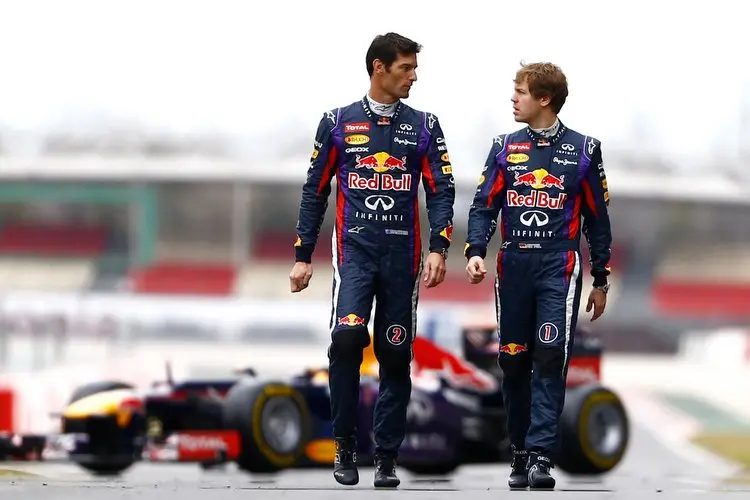
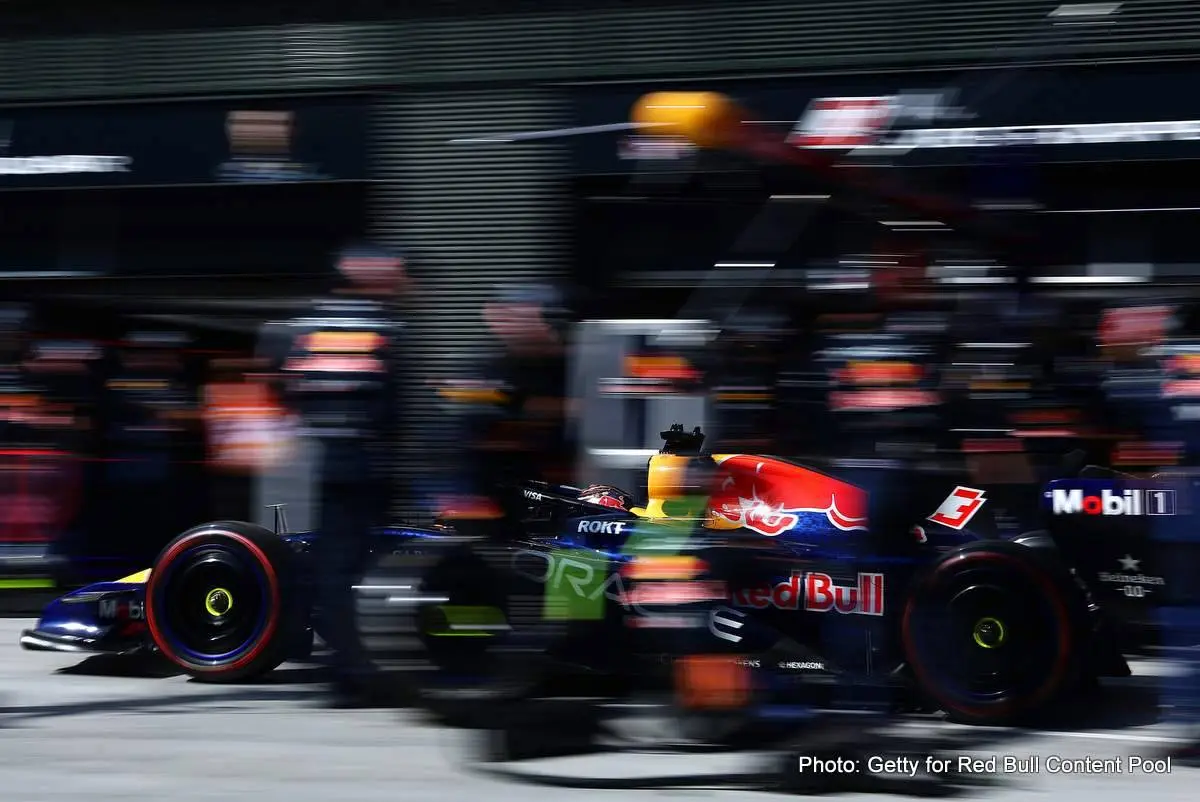
Sebastian Vettel's rise at Red Bull was built on more than outright speed, according to former team operations chief Richard Hopkins, who believes the German gained a decisive psychological advantage over Mark Webber after the Australian's costly title blow in 2010.
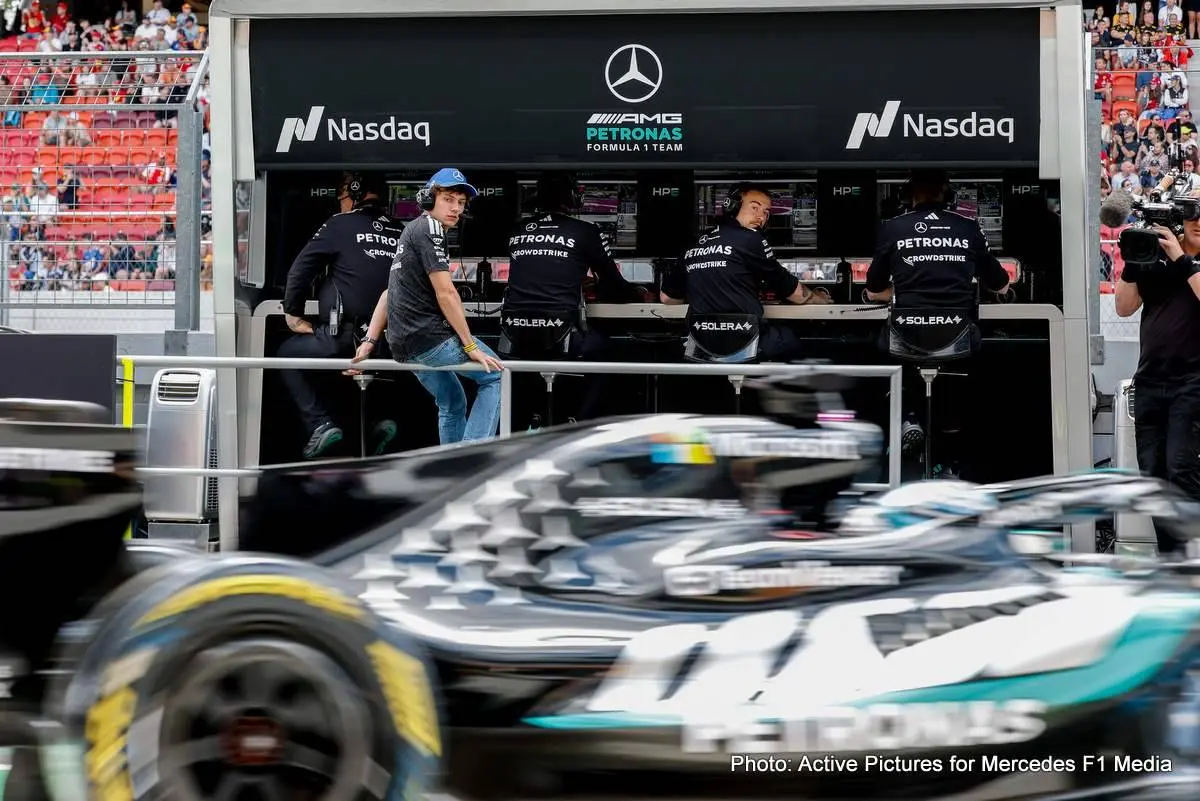
Red Bull have had their fair share of teammate warfare between their drivers over the years, relevant now as Mercedes duo Kimi Antonelli and George Russell are in a similar situation, title-winning cars but only one step at the top of the podium.
Hopkins, who worked at Red Bull alongside Christian Horner, Vettel, Webber and later Daniel Ricciardo, said the turning point came at the Korean Grand Prix when Webber crashed out in wet conditions while leading the championship fight.
That mistake, he argues, shifted the balance of power inside one of Formula 1's most intense teammate rivalries and helped Vettel establish the authority that would carry him to four consecutive world titles.
Reflecting on Webber's challenge to Vettel, Hopkins said: "I think he did challenge him. Early in 2010, Mark was in a good position to win the championship that year and had some good results.
"He was leading the championship up until the Korean race, the wet race, where he made a mistake in the wet and lost it, hitting the barrier, and that obviously killed his championship for 2010.
"But probably mentally it gave Seb the upper hand from that point on. And obviously, from that point on, Mark wasn't in a position to challenge for a championship through 2011, 2012 and 2013, where Seb went on to win championships two, three and four," Hopkins pointed out.
Fierce competitor versus smiling assassin

Hopkins rejected the suggestion that Red Bull actively favoured Vettel but admitted there was often a natural belief within the team that the German would deliver when it mattered most.
That confidence, he believes, became a self-reinforcing cycle that strengthened Vettel while draining Webber: "Mark was a fierce competitor. Seb was a bit of a smiling assassin in some ways. Seb was always the Red Bull driver, whereas Mark wasn't the 'Red Bull driver'.
"Not saying the team ever favoured Seb, but at some point you arrive at a race weekend, and the team will have a belief about who's going to win that weekend, or who's most likely to win that weekend. That always seemed to be Seb.
"Seb probably took that motivation, took that confidence and used it in a positive way within the team. Mark, on the flip side, probably believed that was favouritism towards Seb. I don't think it necessarily was favouritism, but I think Seb just managed the situation a lot better," Hopkins explained.
He compared the dynamic to the long-running partnership between Mika Häkkinen and David Coulthard at McLaren, where the psychological battle often proved as important as outright pace: "It gets into your head, and I think it got into Mark's head. That used a lot of Mark's energy when he should have been using that energy to focus on races, qualifying laps and everything else.
"I think up until Korea they were neck and neck through 2009 and 2010. There wasn't a lot splitting them in performance on the track but also within the garage environment," added Hopkins.
Ricciardo arrived at a very different time

While Webber and Vettel's relationship became one of Formula 1's most famous teammate rivalries, Hopkins said Vettel's partnership with Ricciardo in 2014 was almost the complete opposite.
By then Vettel had already secured four consecutive championships and was preparing for his move to Ferrari. That changed the dynamic completely when Ricciardo emerged as Red Bull's leading driver during a difficult season under the new hybrid regulations.
"So had Seb checked out? In some ways, I think he kind of had, which made things easier," Hopkins said. "Daniel had a great year that year. He won four Grands Prix, I think, and had a fantastic year. I think Seb, to be fair, was kind of happy to play a supporting role.
"Seb didn't win a Grand Prix in 2014. He'd just won four World Championships, and then to go a whole season without winning one Grand Prix, while Daniel Ricciardo won four, probably flattered Daniel in some way."

Unlike the tension that existed with Webber, Hopkins believes Vettel never saw Ricciardo as a threat to his legacy and instead embraced a friendship that remains strong today: "There was always that tension with Mark and Seb. Now Seb finds himself with a fantastic young, fairly extrovert Australian who was quick. I don't think Seb saw that there was any threat.
"Why would you feel threatened having won four World Championships? Why would you feel threatened knowing that you're going to Ferrari? So I think he was quite happy. They became really good friends, and they're still good friends.
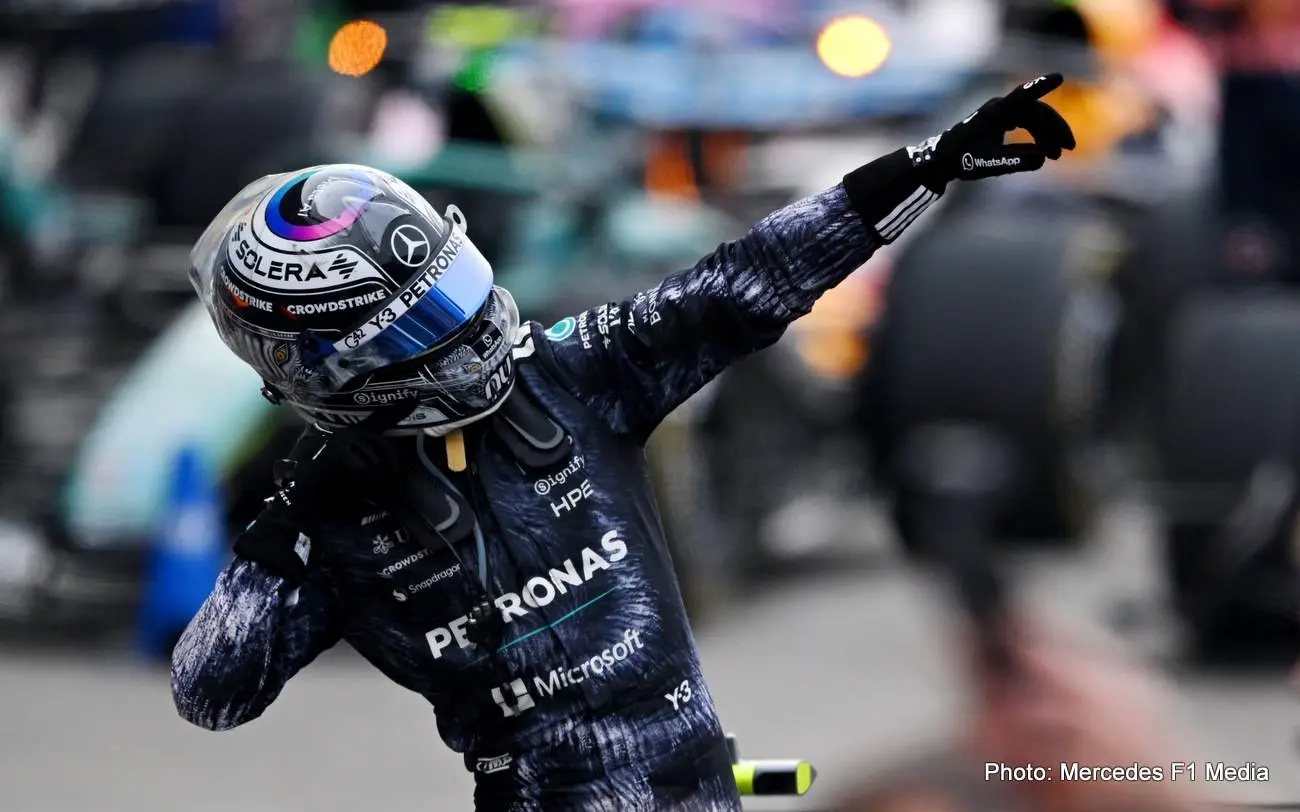
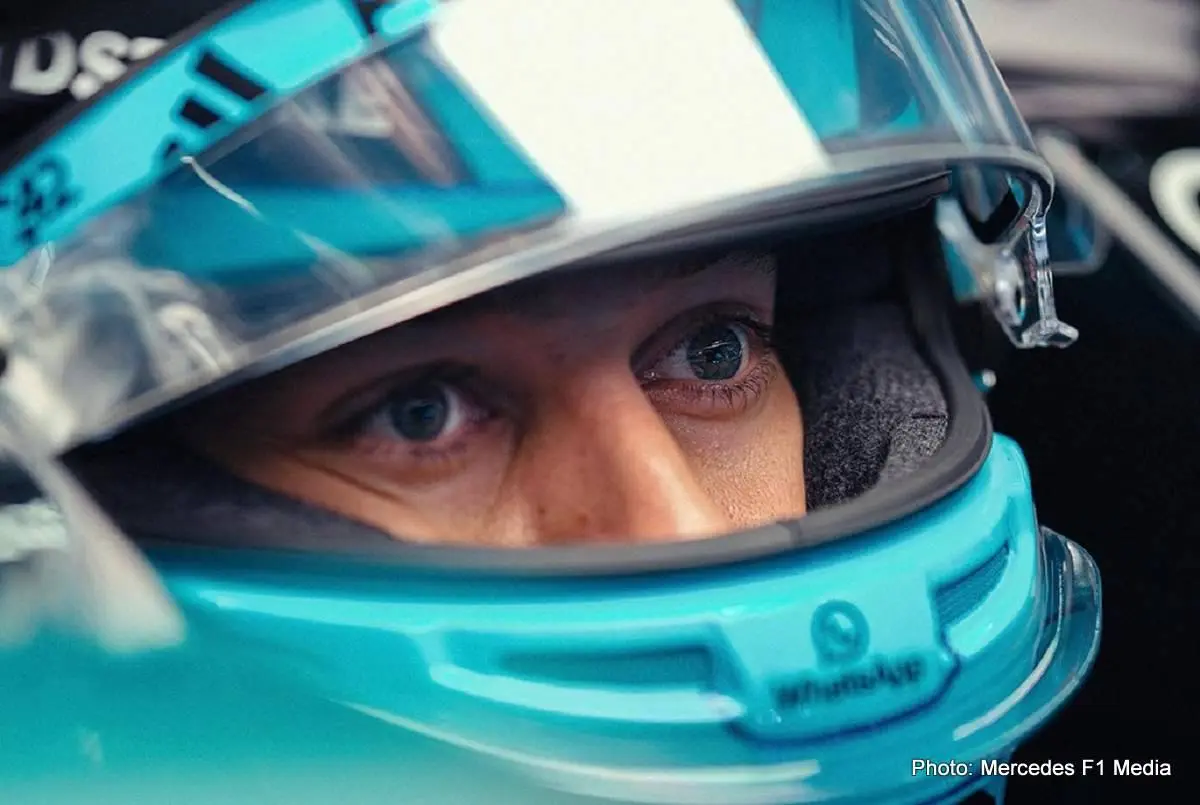
Hopkins' assessment offers an interesting parallel to the current Mercedes battle between teammates Antonelli and Russell. As Red Bull discovered during its championship years, when two drivers have race-winning machinery, the decisive advantage can often be won as much in the mind as on the track.
"When Daniel started experiencing his challenges in Formula 1, Seb was always the person to pick up the phone and check in to see how he was going. So, a very different relationship between Mark and Seb and Daniel and Seb, for sure."
Latest News


Loading