How Technology is Changing Formula 1: The Future of Motorsport
F1 NewsTuesday, 26 November 2024 at 01:50
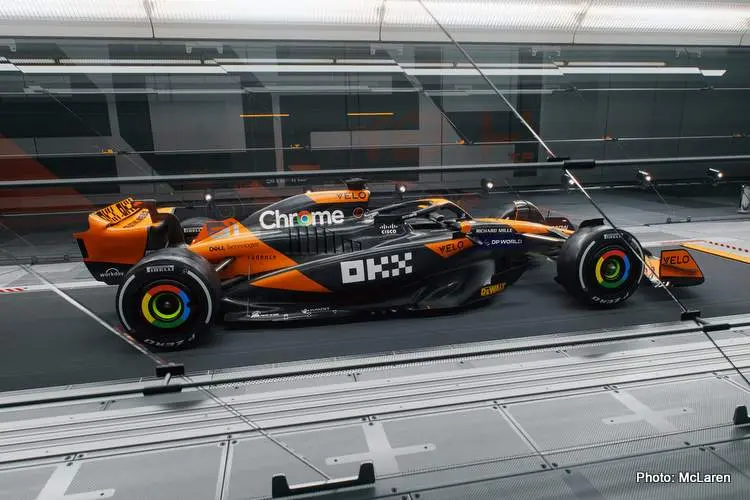
Formula 1 is not just about racing; it’s a fusion of speed, strategy, and cutting-edge technology that creates thrilling experiences for millions of fans worldwide.
Technological progress plays a pivotal role in the evolution of this sport. In this report, we’ll discuss how innovations are reshaping Formula 1 and what the future holds for this motorsport.
Technologies and Their Impact on Cars
Aerodynamics: From Engineers’ Dreams to an Art Form
Modern Formula 1 cars are masterpieces of aerodynamic design. Initially, little attention was paid to aerodynamics, but over time, teams realized that every millimeter of the car’s structure could impact performance. In recent years, computational fluid dynamics (CFD) has become a game-changer, allowing teams to simulate airflows in a virtual environment.
The 2022 regulations introduced redesigned cars for better stability when following opponents, enabling more overtaking opportunities and enhancing race excitement.
Hybrid Power Units
The introduction of hybrid engines in 2014 revolutionized Formula 1. Modern cars feature not only internal combustion engines but also advanced energy recovery systems (ERS) that capture and store energy generated during braking and heating. This innovation makes the cars faster and more eco-friendly, aligning with the global push for reducing carbon footprints.
Future hybrid technology may transition to synthetic fuels, significantly cutting harmful emissions.
Next-Generation Materials
Advances in material science have been crucial for creating lighter and stronger cars. Carbon fiber has long been the standard in Formula 1, but engineers are now exploring nanomaterials to further reduce weight and enhance safety. These innovations open new frontiers for developers seeking maximum efficiency.
Digitalization and Artificial Intelligence
Real-Time Data Analysis
Every race generates terabytes of data from cars, including tire temperatures, fuel levels, and engine performance. This data is processed using artificial intelligence (AI), enabling teams to adapt strategies instantly. Data analysis optimizes drivers' performances and helps engineers prevent mechanical failures.
Simulators and Virtual Reality
State-of-the-art simulators have become an integral part of driver training, allowing racers to study tracks, refine strategies, and test car setups in a virtual environment. Virtual reality (VR) is also used for training engineering teams and improving coordination under intense competition.
The Future of Safety
Halo System
Introduced in 2018, the Halo system has already proven its effectiveness, saving drivers’ lives in critical situations. Developers are working on new safety measures, such as "smart" systems that analyze track situations and prevent accidents automatically.
Autonomous Technologies
While fully autonomous cars are unlikely to become part of Formula 1, elements of autopilot technology are already used for safety. For example, automatic braking systems can prevent collisions when entering the pit lane.
Impact of Technology on Spectacle
Data Accessibility for Fans
Technology allows fans to experience races more deeply. With real-time applications and broadcasts, viewers can follow telemetry, analyze results, and even choose camera angles. This makes Formula 1 more interactive and engaging.
Spectacular Graphics
Augmented reality (AR) in broadcasts helps fans understand team strategies and drivers' actions. On-screen graphics display overtaking zones, fuel calculations, and even race outcome predictions.
Sustainability in Formula 1
Formula 1 is actively moving toward sustainability. In 2019, the sport announced its goal to achieve carbon neutrality by 2030. Plans include using synthetic fuels, recycling materials, and developing new technologies that could be applied to mass-market vehicles.
These initiatives make Formula 1 not only a symbol of speed but also a leader in environmental innovation.
Innovation Beyond the Track
Smart Pit Stops
Pit stops are critical, where every fraction of a second counts. Technology helps teams perfect their operations. For instance, sensors on wheels and wrenches monitor installation and tightening in real-time, reducing errors. AI integration is planned for pit stop management, aiming to automate and speed up the process. Modern technologies have also made their way into the world of betting.
On the https://melbet-nz.nz/en/bonus/rules/1st platform, artificial intelligence (AI) assists players in making more informed decisions. Thanks to analytical algorithms based on big data, users gain access to predictions that take into account team statistics, player form, weather conditions, and even the latest news from the sports world.
Infrastructure Development
Technology also plays a vital role in race organization. Modern tracks are equipped with sensors that monitor surface conditions, temperature changes, and weather patterns. These insights enhance safety and create optimal conditions for spectators.
Formula 1 as a Catalyst for Progress
Formula 1 has always been a testing ground for technologies that later become standard in commercial vehicles. Anti-lock braking systems (ABS), adaptive suspensions, and energy recovery systems all debuted in Formula 1 before reaching everyday cars. Aerodynamic modeling technologies from Formula 1 are now widely used in aviation and even architecture.
What Will Motorsport Look Like Tomorrow?
The future of Formula 1 is closely tied to technological advancements. Over the next decades, we may see even more complex hybrid engines and possibly fully electric cars. This evolution will transform the essence of racing, making it eco-friendly yet no less thrilling.
Additionally, advancements in AI and robotics could pave the way for new racing formats where humans and machines collaborate. However, the human factor will remain central to Formula 1, as it’s the talent of drivers and strategists that makes the sport unique.
Formula 1 as a Reflection of Society
Formula 1 mirrors global trends. Technological innovations, ecological responsibility, digitalization, and AI development are key not just for racing but for society as a whole. This sport will continue to inspire and attract millions, remaining a symbol of progress and the pursuit of excellence.
Formula 1 demonstrates the limits of human capability while setting new benchmarks for technological development. This sport looks to the future with confidence, maintaining its mission as an arena for the best. The future of Formula 1 is an ideal balance of technology, speed, and spectacle, ensuring it will be as bright as its legendary past.
Melbet: Betting on Football for True Sports Enthusiasts
In motorsport, just like in football, understanding the rhythm of the game and predicting outcomes is essential. Melbet football bets today offers a unique opportunity to immerse yourself in the excitement, providing a wide range of football betting options—from major tournaments to local championships.
With competitive odds, a user-friendly interface, and various betting options like predicting the match winner, exact score, or total goals, Melbet ensures a captivating experience. Advanced analytical tools and real-time updates help players make informed decisions, turning football into an even more engaging spectacle.
Latest News


Loading