Did Aston Martin find the light finally? Fernando Alonso says problems now understood
F1 Teams NewsSunday, 26 July 2026 at 10:55
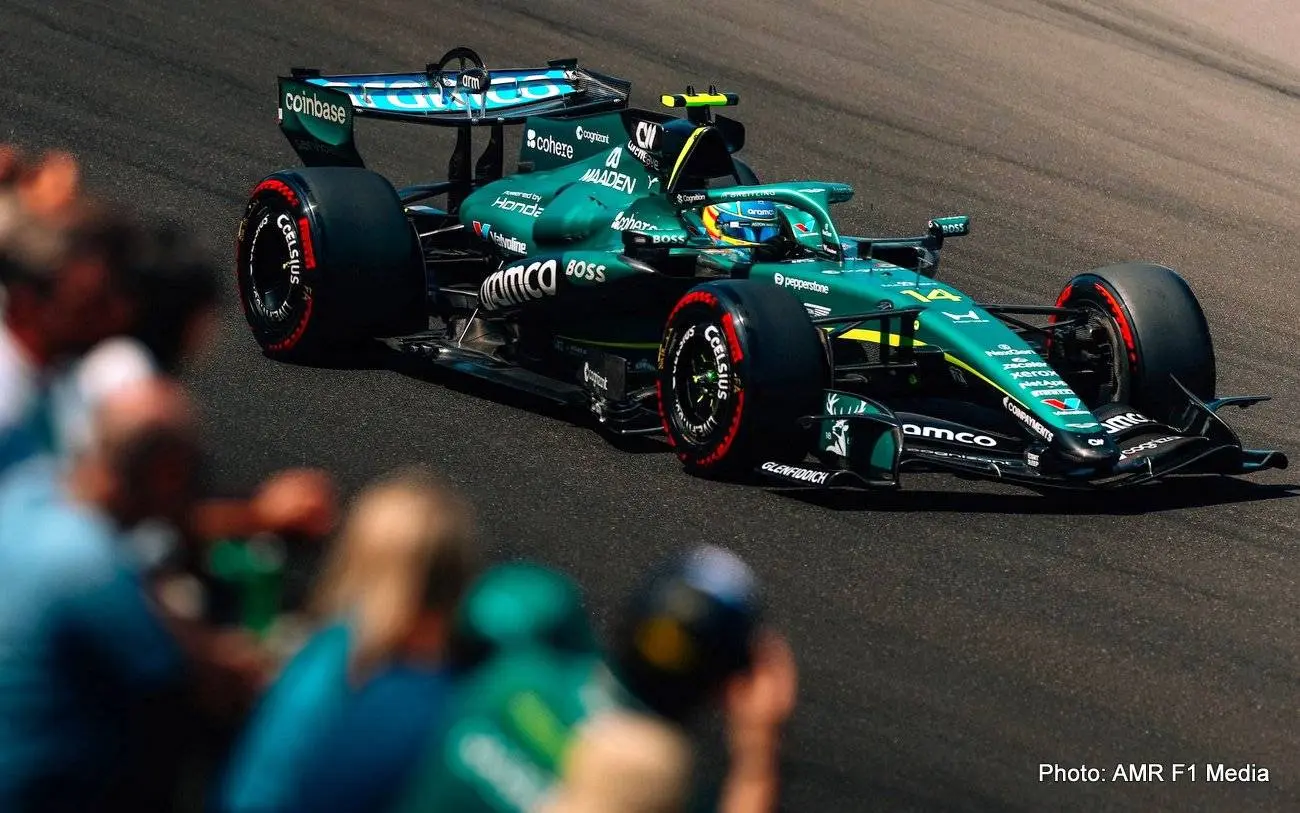
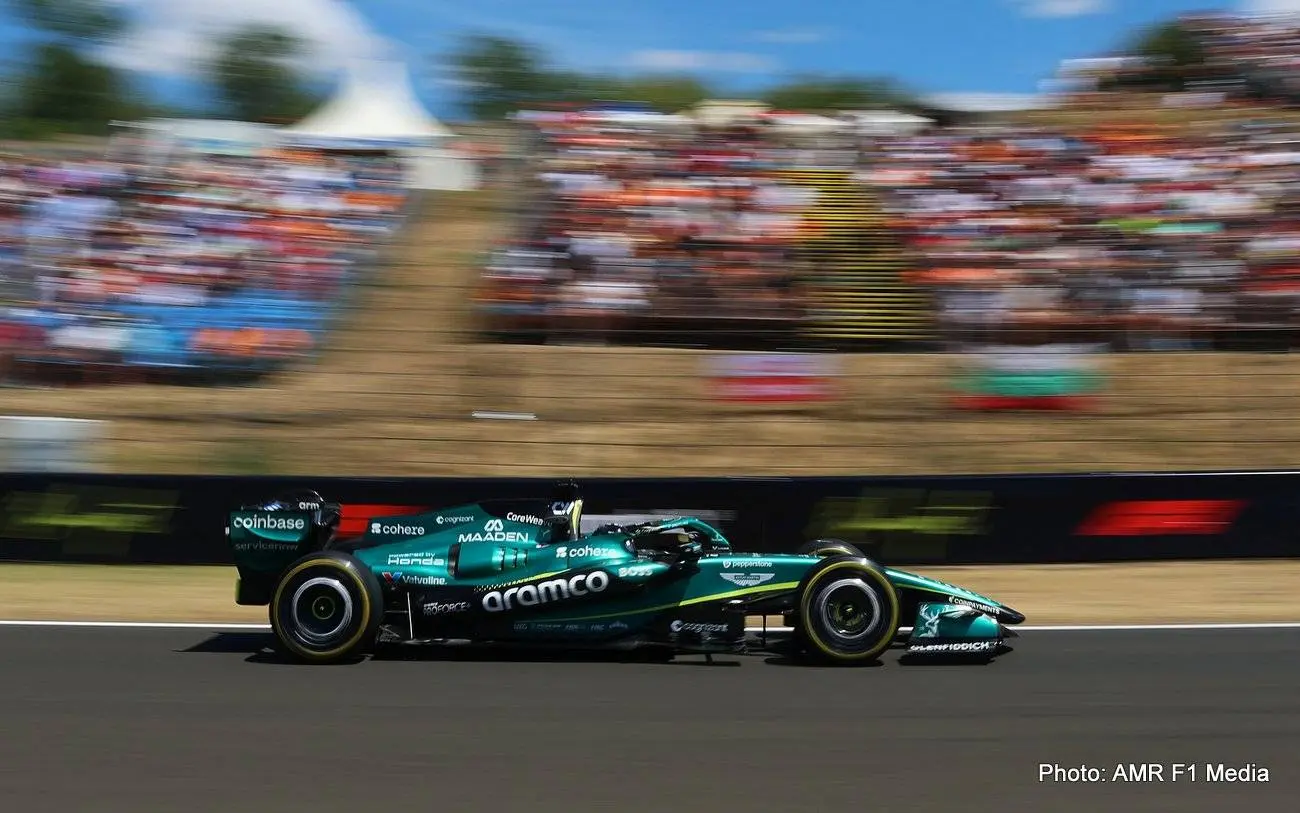
Fernando Alonso believes Aston Martin can finally measure its true Formula 1 deficit after Adrian Newey’s revised car delivered a major performance step at the Hungarian Grand Prix.
The Spaniard reached Q2 for the first time this season, qualifying 16th after Aston Martin had spent recent races rooted to the back of the grid.
Alonso had previously been between 3.5 and four seconds off the pace during Q1. At the Hungaroring, that deficit was reduced to 1.8 seconds as he beat both Cadillacs, the Williams drivers and Haas rival Oliver Bearman.
The result itself remains modest, but Alonso insisted the positive correlation between Aston Martin’s simulation tools, wind tunnel and track performance was far more important.
Aston Martin introduced a substantially revised car in Hungary as Newey attempted to correct the weaknesses of its original 2026 design.
Alonso reported more grip, improved drivability and significantly stronger performance through the Hungaroring’s twisting middle sector. He was also faster than Bearman through every corner despite Aston Martin continuing to lose time on the straights.
Alonso explained: “The feeling this weekend, or the positive thing, is that when you start with such a huge engine deficit and such a huge chassis deficit, and you lose so much on the straights and in the corners, as we have been losing in the last five or six races.
"You're a bit worried or you're so far behind that you don't really know where the problem is. So now, with this improvement, we can finally calculate how much we're lacking in chassis and how much we're lacking in engine," added the Spaniard.
Alonso: Until today the situation was a bit dramatic
“Good job. Maybe a bit more to come…”@alo_oficial #HungarianGP pic.twitter.com/cibjKnSXGn
— Aston Martin Aramco F1 Team (@AstonMartinF1) July 25, 2026
Aston Martin’s previous upgrades had failed to produce the expected gains, leaving the team uncertain whether its development tools accurately reflected what happened on track. That uncertainty has now eased.
Alonso added: “Until today the situation was a bit dramatic, because we were lacking unlimited tenths of a second in engine and chassis performance. Now we know exactly what needs to be done. I think we also know the direction the car should take.
"We have proven that this direction works much better on the track. The problem is that everyone has been using this direction since January and we are going to start in July, so we are six months behind and now we have to win the development race off the track.”
Alonso said reaching Q2 mattered less than proving Aston Martin could introduce a completely new specification and immediately extract the expected performance. He explained: “Happy? The truth is more than Q2."
"It's the possibility of taking a completely new car to a race and seeing that it works, which we haven't always had, we didn't always see those guarantees. In recent years we had some correlation problems and even this year with this car we took some new parts to Australia."
Alonso: It seems the problems have been understood

Alonso continued: "A new wing, I think, to Suzuka, and none of them gave us the results we wanted. So, from there the team decided to wait until everything was clear, and well, we had every hope that it would work, but you never have it guaranteed.
“So I think the best news is that it seems the problems have been understood, and now you just need time to put everything in place. This year has started in such a bad way, so let's say, well, it's a year of learning and not so many results.”
Alonso also believes several tenths remain available once Aston Martin understands the new package. The team lost valuable running on Friday and encountered unexpected front-end lifting during qualifying, limiting its ability to optimise the balance.
“There will be a few tenths more,” Alonso concluded. “I think there are still some things to learn.”
Aston Martin remains well behind Formula 1’s leading teams, but Hungary offered its clearest evidence yet that Newey’s technical direction is working.
Sixteenth place will not transform its season. Understanding why the new car works, however, could reshape Aston Martin’s future.
Latest News

Loading