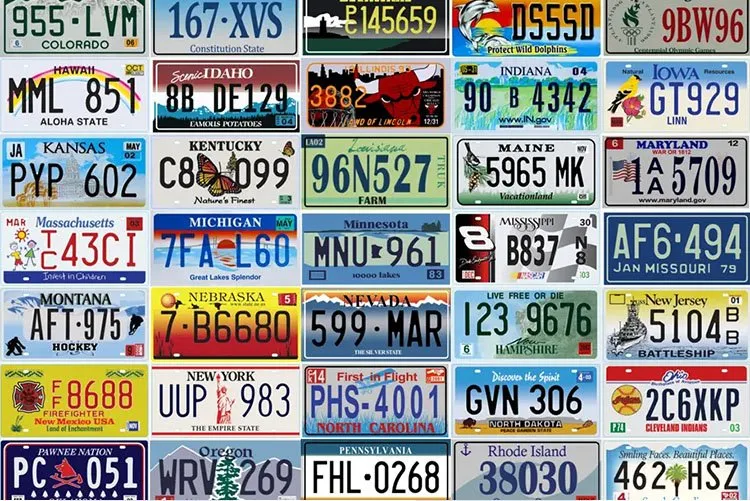
Your car’s license plate is a unique identifier that distinguishes it from all other vehicles in the same country, but that does not mean it can’t also be a stylish accessory.
Many people turn to personalized license plates as a way to add some extra flair to their vehicle or just to have fun with their car.
However, this process is not as simple as adding the plate yourself. There are specific rules and regulations regarding how you can get a personalized plate, and understanding them is important. It only takes one mistake to get your custom plate rejected.
General Requirements
The most obvious thing that you need to remember is that your license plates have to be license plates. This means that they need to conform to the usual standards of a car plate, mostly so that they are easily readable and can be identified at a glance.
Your plates need to follow the standard formatting that most plates do – these strict rules include things like:
- Being made of a reflective material so that the plates are visible in car headlights.
- Display black characters on a white background (for the front plate) or yellow background (for the rear plate).
- No background patterns or altered fonts that could make the plate harder to read.
- No cosmetic or text tweaks to make your car seem younger or older than it really is.
This generally means that your plates need to be functional, practical plates. Anything that would get in the way of being able to use the plates properly can lead to them being rejected or you receiving penalties and fines if you use them on your car anyway.
Custom Plates vs. Vanity Plates
It is also important to remember that changing your plates is not necessarily the same thing as buying vanity plates. Vanity plays are often placed under specific limits, such as maximum character limits, and are treated as a luxury alongside the more practical option of simply getting new plate numbers.
Most personalized license plates are going to be vanity plates, which means that you fall under any rules that vanity plates need to follow. This might mean that specific kinds of vanity plates are rejected or that you are put under a hard limit for how many characters you can use.
Specific Regulations
The exact requirements and regulations behind these personalized vanity plates can vary quite heavily, and the entire process can seem quite overwhelming at first. Thankfully, most people can simply use a personalised plates service to bypass a lot of the busywork, buying the plates they want directly.
Some of the regulations that you will need to keep in mind include:
Length
The length of legally accepted plates changes depending on where you are: different US states have different maximum vanity plate character limits, whereas plates in the UK have a hard limit of 7 digits. While spaces can be used, they are often forced to be in specific spots within the plate number.
These rules can also vary in other countries, and there might be minimum limits to consider if you are trying to get a shorter vanity plate. This means that single-letter plates (or even two-letter plates) are very uncommon across most of the world.
Legality
A plate has to be legally purchased and properly registered before you can use it. Buying a secondhand plate from somebody else and mounting it to your car is a crime since you have not legally taken responsibility for that identifier and are therefore misrepresenting your vehicle.
For example, if you were to buy custom plates from somebody you know without any kind of registration or legal checks, you are effectively pretending that you are them. This can land you in a lot of trouble, even if you have a verbal or informal agreement with the person you bought the plates from, so make sure that everything is handled legally.
Number Formats
If you are wanting a personalized plate that is not a unique vanity plate, then you will need to follow the relevant formatting rules. Different parts of the world format plates in different ways, but there are differences between countries (or, in the US, between different states).
This means that you will have to work within these formats if you are trying to get a custom number combination. Vanity plates often get around this issue due to being specifically chosen for breaking out of the format, but regular custom plates need to follow the country’s (or state’s) scheme.
Vanity License Plate Meanings
There can also be extra regulations on the vanity plates that you try to buy. While vanity plates are more flexible than standard plates due to the focus on proper personalization, you will not necessarily be allowed to have any word or phrase that you want, even if it fits into the character limit.
Offensive words, or shorthand phrases that can be seen as offensive, are usually not allowed. You can obviously shorten certain words to fit within the total character limit, but you still have a requirement to choose plates that are in good taste.
This does not just mean hate speech and racial slurs but also things like sexual references, crude jokes, and curse words. Some states will reject your plate for even containing certain words, even if it was not intentional, and will often review plates in multiple common languages to look for hidden meanings.
Why are Custom License Plates So Regulated?
The big issue behind custom license plates is that they still need to be appropriate, legal, and handled like regular plates. While these regulations can seem overwhelming at first, this is to stop confusion from hard-to-read plates or people using them as a way to flash offensive messages at other drivers.
If you are worried about getting something wrong, turn to professional plate-selling websites and services. These can often be great places to find a plate that suits you and can help you avoid having your plate denied due to an unexpected hidden meaning or legal error.
Latest News











Loading