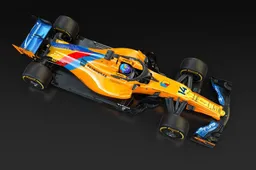
Facts, statistics and technical preview of the Abu Dhabi Grand Prix weekend, Round 21 of the 2018 Formula 1 World Championship, at Yas Marina Circuit in the United Arab Emirates - the final race of the season.
The Yas Marina Circuit is a showplace, and it should be considering it is widely believed to be the most expensive Formula One track ever built, with some estimates topping $1 billion.
It is a purpose-built facility on a man-made island and it is one of the many new Formula One venues designed by Hermann Tilke. It is less than a decade old and it features a counter-clockwise layout that boasts a top speed of 335 kph (208 mph) and an average speed of 195 kph (121 mph).
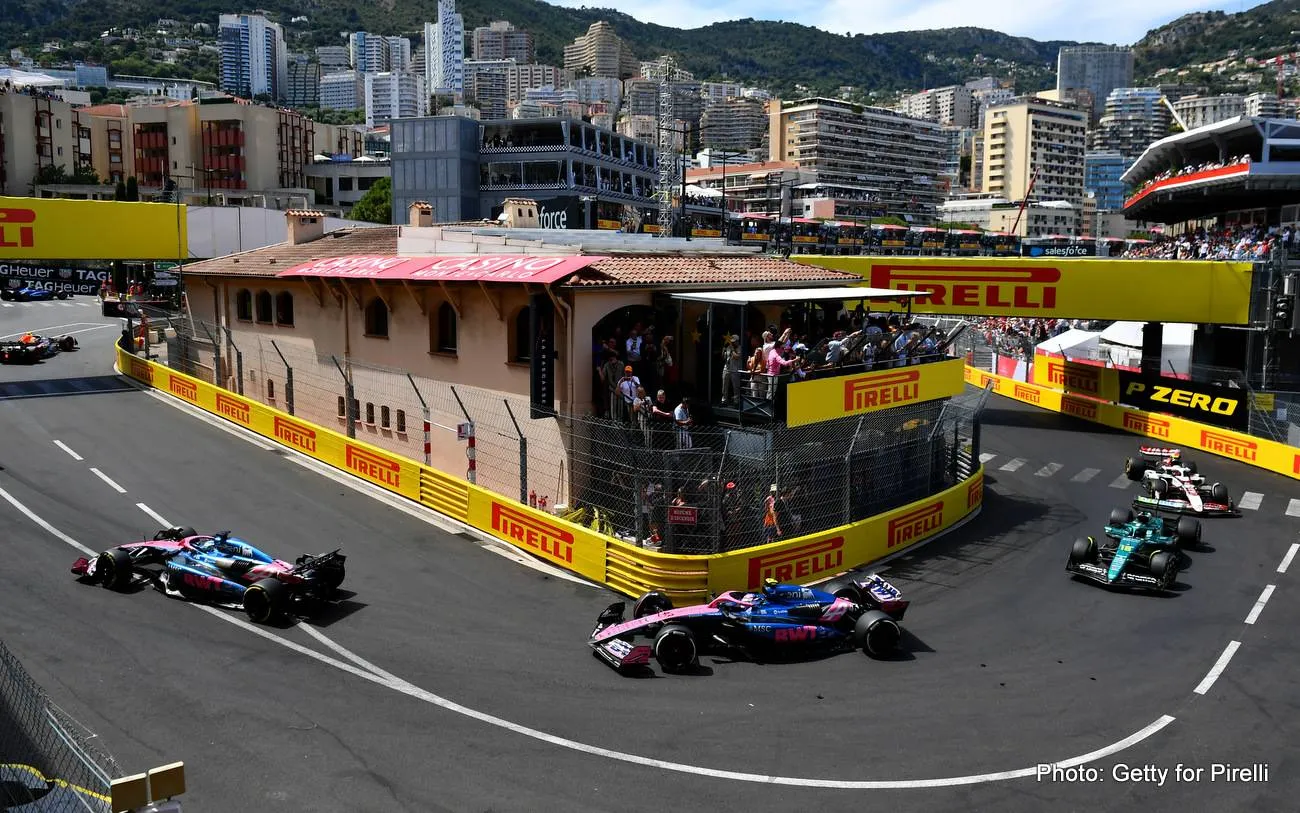
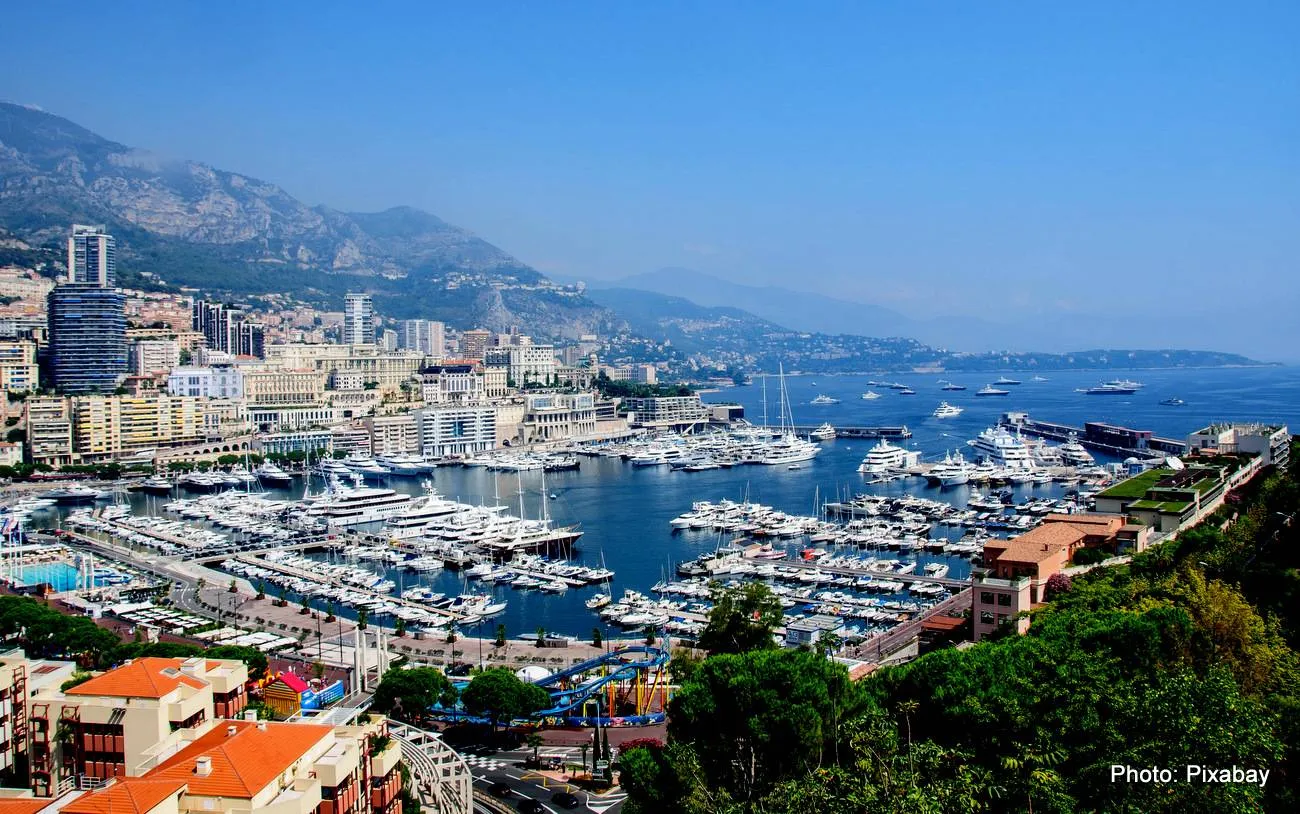
It has nine right turns and 12 left turns on a waterfront course that rivals Monaco and Singapore. Its extravagance and uniqueness is best highlighted by these attributes: the pit lane exit passes underneath the circuit via a tunnel and the garages are air-conditioned.
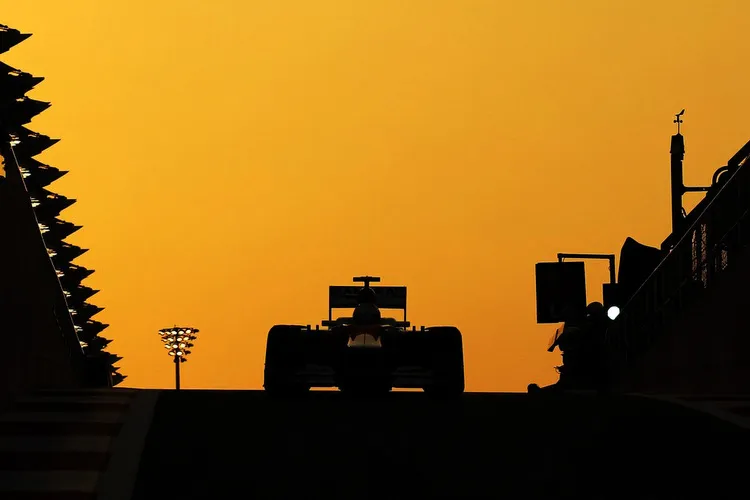
Yas Marina has a powerful lighting system, and it lays claim to holding Formula One’s first twilight race.
The Essentials
Focus points Straight-line speed. Even with two long straights, along which cars exceed 330km/h (205mph) on both occasions, it’s hard to overtake at Yas Marina. To be competitive in race conditions, it’s vital to have a car that has a high top speed. But engineers mustn’t shave off too much downforce, otherwise they risk compromising competitiveness through the twisty final sector.
Unique difficulty Temperature change. The Abu Dhabi Grand Prix is the only race on the calendar that starts in the heat of the day and finishes after sunset. The track temperature drops significantly during the course of the race, altering the balance of the car and the performance window of the tyre. Added to which, the wind direction often changes direction after dark, making the car more unpredictable to drive.
Biggest challenge Visibility. Sunset is 36 minutes after the start of the race and as the sun gets lower during the early laps, it can be particularly blinding between Turns 14-19. This makes visibility tough, especially for the drivers involved in tight battles with other cars.
Race Engineer's Lowdown
Braking Heavy. There are 13 braking events around the track, resulting in more than 20 per cent of the lap being spent on the brakes. There’s an average deceleration of 2.9g and the track is regarded as one of the toughest of the season on brakes - similar to the Circuit Gilles Villeneuve in Montreal.
Power The cars use 1.8kg of fuel per lap, which is relatively high.
Aero Medium-to-high downforce. Aero set-up is a compromise between low-speed grip during qualifying and straight-line speed in the race. The drivers and engineers will trim the cars as much as possible during practice, until tyre life begins to be affected.
Reuters compiled statistics for Sunday’s season-ending Abu Dhabi Grand Prix at the Yas Marina circuit:
- Lap distance: 5.554km. Total distance: 305.355 km (55 laps)
- 2017 pole: Valtteri Bottas (Finland) Mercedes, one minute 36.231 seconds
- 2017 winner: Bottas
- Race lap record: Sebastian Vettel (Germany) Red Bull, 2009 1:40.279
- Start time: 1310 GMT (1510 local)
World Championship
- Both the drivers’ and constructors’ titles have been decided, with Lewis Hamilton and his Mercedes team each winning their fifth.
- Hamilton is only the third driver to win five titles, after the late Argentine Juan Manuel Fangio and seven times champion Michael Schumacher.
- Mercedes are the second team after Ferrari (1999-2004) to win five drivers and constructors’ championships in a row.
- The season will still rank as Mercedes’ least successful since 2013, since they can win a maximum of 11 races. They won 16 in 2014 and 2015, 19 in 2016 and 12 last year.
Abu Dhabi Grand Prix
- Ferrari have yet to win in Abu Dhabi, a circuit next door to Ferrari World theme park. Mercedes have won the last four editions of the race.
- The sport’s first day-to-night race is in its 10th edition this year. Cars hit top speeds of 320kph with an average of around 195kph on an anti-clockwise layout.
- Four of the current drivers have won in Abu Dhabi: Vettel (2009, 2010 and 2013), Hamilton (2011, 2014, 2016), Raikkonen (2012), Bottas (2017).
- Four of nine races to date at Yas Marina have been won from pole position: Vettel in 2010, when he became the youngest champion at 23, Nico Rosberg in 2015, Hamilton in 2016 and Bottas last year.
- Hamilton has been on pole three times in Abu Dhabi, Vettel twice.
- Only once has the winner not started on the front row - Raikkonen from fourth in 2012 with Lotus.
Grand Prix Victories
- Hamilton has 10 wins this season to Vettel’s five. Red Bull’s Daniel Ricciardo and Max Verstappen have two each and Ferrari’s Kimi Raikkonen one.
- Sunday is Valtteri Bottas’s last chance to avoid a winless season in a championship-winning car. The last driver that happened to was Australian Mark Webber alongside Vettel at Red Bull in 2013.
- Hamilton has 72 victories from 228 races and is second in the all-time list behind Schumacher (91). Vettel, third on the all-time list, has 52.
- Ferrari have won 235 races since 1950, McLaren 182, Williams 114, Mercedes 86 and Red Bull 59. Former champions McLaren and Williams have not won since 2012.
Pole Position
- Hamilton has a record 82 career poles, Vettel 55.
- Verstappen, who turned 21 at the end of September, has one more chance to become the youngest ever pole sitter. The current youngest is Vettel, who did it at 21 years and 72 days.
- Mercedes took their 100th pole position in Brazil.
Podium
- Hamilton has 133 career podiums and is second on the all-time list behind Schumacher (155). Vettel has 110, Raikkonen 103.
- Bottas has had seven second-place finishes this season.
- Championship Points
- Every driver on the starting grid has scored this season.
Farewells
- Abu Dhabi will see a number of farewells.
- Spain’s double world champion Fernando Alonso is leaving Formula One, to race with McLaren at Indianapolis and Toyota at Le Mans next year.
- Belgian teammate Stoffel Vandoorne is leaving McLaren for Formula E.
- Sunday will be Marcus Ericsson’s last race for Sauber.
- Australian Daniel Ricciardo, joining Renault, says farewell to Red Bull - who say goodbye to Renault engines and welcome Honda in 2019. Spaniard Carlos Sainz bows out of Renault for McLaren.
- Pierre Gasly wraps up his time at Toro Rosso before joining Red Bull. It is likely also to be Lance Stroll’s final race for Williams.
- It will be Kimi Raikkonen’s farewell to Ferrari, and replacement Charles Leclerc’s send-off from Sauber.
Milestones
- Ricciardo celebrates his 150th start this weekend. It will also be his 100th for Red Bull.
- In Brazil, Mercedes became the fifth team in the history of Formula One to have led more than 5,000 laps.
- Abu Dhabi will be the 100th race of the V6 turbo hybrid era that started in 2014. Hamilton has won 50 of them so far.
- Sunday will be Fernando Alonso’s 311th and last grand prix.

Entering the final race of the 2018 season, teams are faced with a less daunting challenge than in the previous two races. This arises from the fact that the Yas Marina circuit is located very close to sea level, making the cooling of the car less constraining. At the same time, teams have a very good data bank from this circuit, both in a race and test environment, with very similar conditions from year-to-year.
Downforce vs Drag
- With most of circuit featuring sections with a high corner density, the propensity is to run with a higher level of downforce, something enhanced by the requirement of rear tyre degradation control.
- However, the presence of two long straights in the middle sector counters this perspective, with the proviso that both of these straights are DRS-assisted in qualifying, so the drag penalty from more aggressive rear wings is less pronounced.

Car Strengths Needed
- Traction is critical, especially out of Turns 7 and 9, since these corner exits lead on to long straights, where minimising the time to reach top speed is paramount for optimal lap time. In addition, strong corner exit performance will keep the rear tyre temperatures under control for a longer period.
- Straightline speed is also beneficial, allowing more overtaking opportunities during the race. A base chassis with low drag could also allow the use of more aggressive rear wings to maximise cornering speeds, without drastically impacting straight-line performance.
Key Corners
- Turn 7 – from a qualifying lap perspective, an important exit here will gain time down the ensuing long straight. However, in the race, it is also possible to take different lines to set-up an overtaking manoeuvre, with a wider entry and late apex often being the line of choice for the best exit speed of a following car.
- Turn 17 – the blind entry, coupled with the preceding kink, provide an opportunity for lock-ups and drivers therefore often run wide at this corner.
Tyres

- Pirelli’s final compound selection for 2018 involves the softest possible combination for the fourth time this season.
- In 2017, the race was a comfortable one-stop affair, with stints of more than half the race distance on the UltraSoft compound. The SuperSoft was capable of around three-quarters of the distance. Despite the corresponding compounds being a step softer for 2018, the durability has remained similar due to better management from teams and drivers.
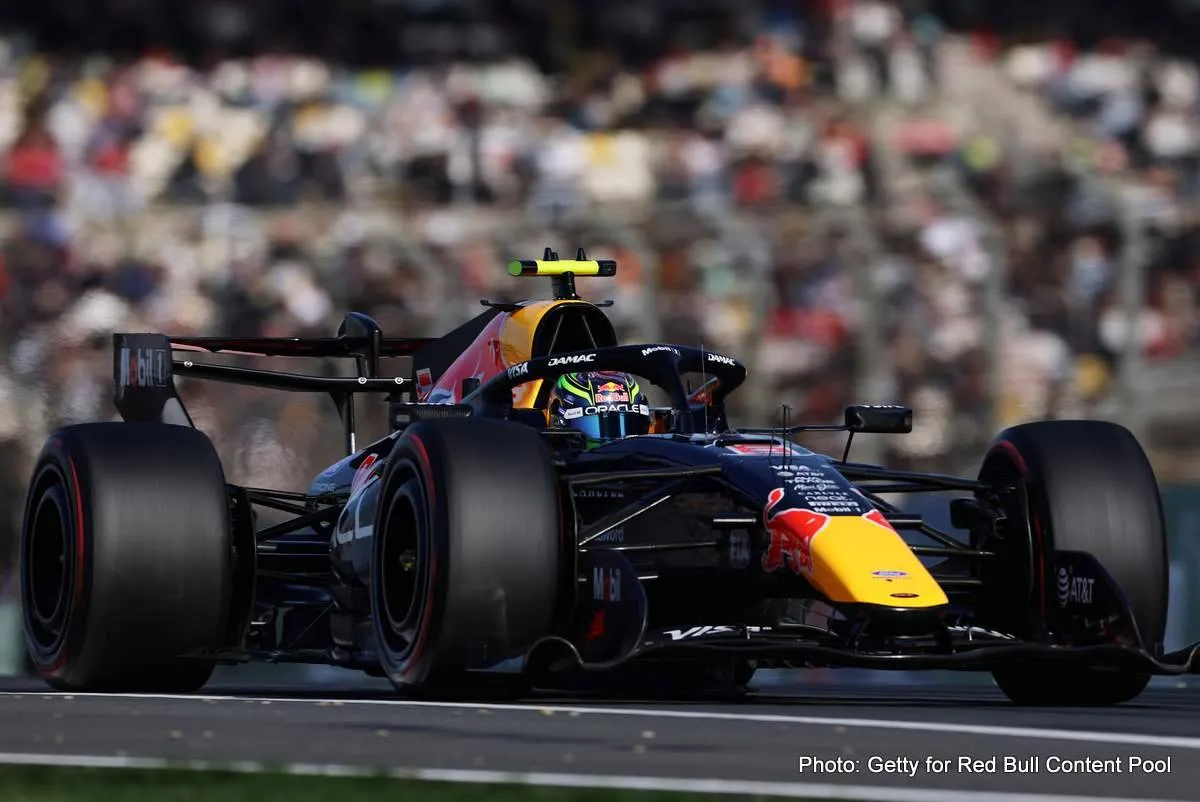
- Therefore, it would be expected that a one-stop is very much possible again, most likely using a HS-SS or US-SS combination, with the likes of Red Bull potentially targeting a HS-US one-stop to provide quicker tyres at the end of the race and create overtaking opportunities.
- Most teams have favoured the HyperSoft heavily, although Renault, often aggressive in its tyre selections, has been fairly conservative. The Enstone team may want more UltraSoft tyres for the daytime practice sessions in order to carry out more repeatable tests with 2019 in mind.
- Despite the HyperSoft being a new tyre for 2018 races, it was tested post-season in Abu Dhabi last year, so teams already have data on this compound.

Overtaking/DRS
- Overtaking should, in theory, be easier than at most circuits in Abu Dhabi thanks to the presence of two long straights, each featuring DRS-assistance, together with the fact that the majority of the corners are slow, making following in the wake of another car easier.
- However, the fact that the straights are in close proximity, together with the lap being long, means that there are a significant number of corners over which cars must stay close together. In Brazil, the opposite effect was apparent, with a small infield section, but two similarly long straights.
- Finally, as the season nears its end, parts tend to reach the end of their life cycle, with power units in particular perhaps not being run as aggressively as earlier in their life, so overtaking may be less likely.
Weather
- Conditions will remain consistent throughout the weekend, in terms of no rain and light winds.
- However, the ambient, and therefore track, temperature will rise throughout the weekend, peaking on Sunday. This will make tyre management more critical for the race than in FP2, where most race preparations is carried out.
- It is also important to consider the fact that the track temperature drops as the sun sets during the race, making set-up decisions difficult in terms of keeping tyre temperatures in the optimum window.
Form Guide
- In recent races, Mercedes appears to have made a step forward compared to Ferrari, even with the latter backtracking on some upgrades. Therefore, the Champions will be the favourites for qualifying. In the race, however, Red Bull may well be able to use its frequent tyre life advantage to move up the order.
- In the midfield, the closest battle is between Force India and Sauber for seventh in the championship, with the latter displaying consistently strong pace in the past few races. McLaren will also be aiming for a strong showing in what will likely be Alonso’s final race in Formula One.