Why Formula 1 Drivers Need Better Risk Training Off The Track
Special FeatureMonday, 06 July 2026 at 01:43

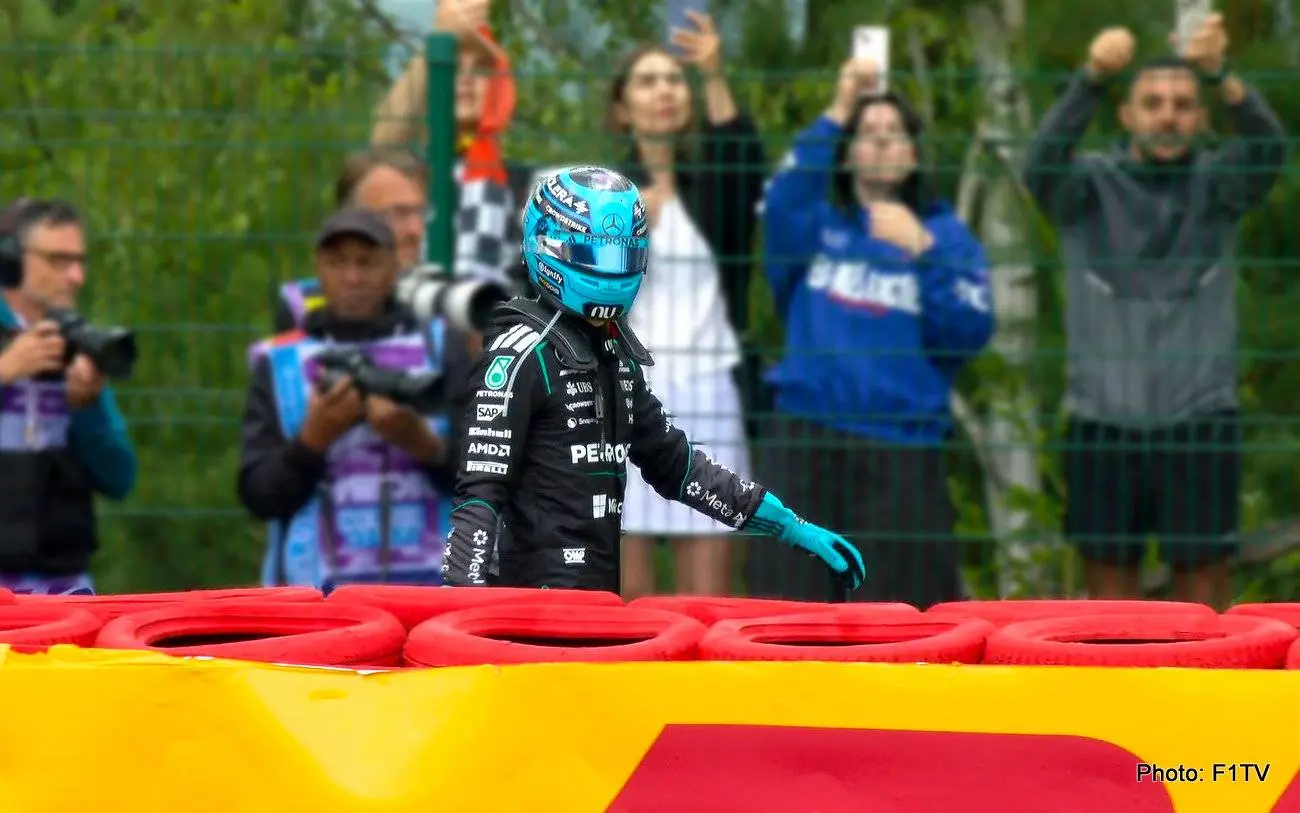
I've been watching Formula 1 for 17 years, and something struck me during last month's Austrian Grand Prix when George Russell made those split-second calls on his pole lap that could've ended with him in the barriers.
Drivers spend every day training for racing risks, calculating corner entry speeds and brake points, yet most never study risk calculation in other contexts.
You know what actually mirrors F1 decision-making? Mines gambling. Yeah, I know how that sounds.
The Grid Behind The Wheel
I'm not suggesting Lewis Hamilton spends downtime playing casino games. The core skill is identical though. Every corner at Silverstone forces you to weigh payoff against danger in real time. Brake early and you lose 0.3 seconds. Carry more speed and you risk going off.
Same calculation. Different stakes.
I tried one of those grid-reveal games last month where you pick tiles and pray you don't hit a mine. Started with a 5x5 board and felt confident. Then I got ambitious with 7x7 and 12 mines scattered across 49 tiles, and my win rate tanked to 23%. But when I strung together 8 safe picks, the multiplier was way higher than expected.
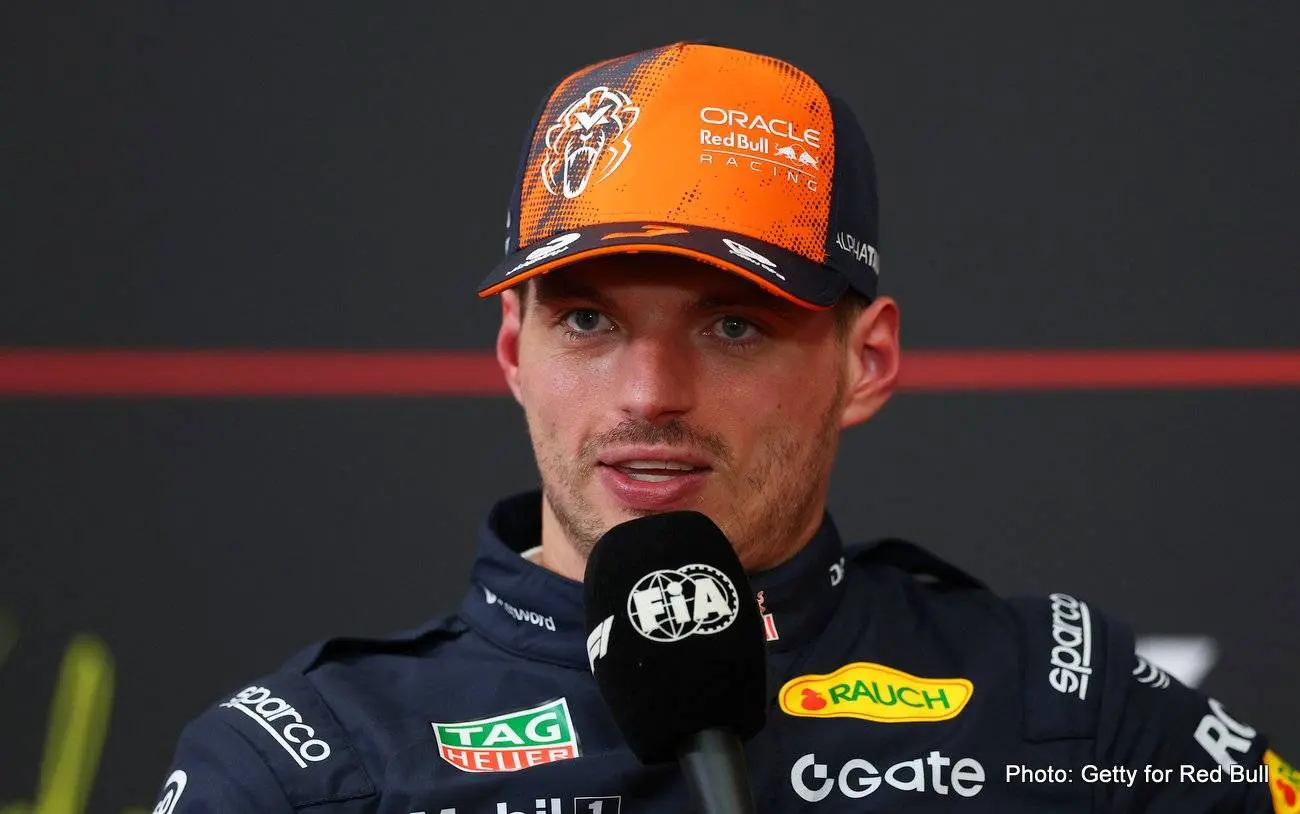
That's exactly what Verstappen does at Turn 9 in Austria, except his consequences are worse.
Numbers Don't Lie But Drivers Do
Here's what fascinates me about risk assessment in racing. Ferrari botched their strategy calls in Austria, and Toto Wolff spent his post-race interview talking about not getting a "hangover" heading into Silverstone. But none of them discuss the actual math behind their decisions.
Most F1 fans can't tell you the percentage chance their favorite driver takes going three-wide into Copse. We just watch, react, yell at screens. Drivers feel everything out based on thousands of hours of practice and muscle memory.
And that works. Mostly.
Imagine if teams ran probability drills the way they obsessively run pit stop practice. You'd set up scenarios like "You're P3 with 12 laps left, tires at 78% grip, 40% chance of rain in 6 minutes—do you pit now or gamble on track position?"
Why Silverstone Makes This Worse
British Grand Prix weekend is coming up, and the Sprint format adds another messy layer. You get one practice session before Sprint Qualifying. Teams have maybe 60 minutes to dial in their setup for a track already pushing tires to their limit.
McLaren's bringing a special livery. Ferrari's hoping for miracles. Everyone's compressed into this shortened schedule where mistakes cost double.
You can't practice risk calculation on the fly like that.
What Drivers Actually Need
F1 would massively benefit from off-track risk training that isn't just simulator work. Give them scenarios where they manually calculate odds with their brains. Not in a car. Just numbers on a screen.
You've got a 64-tile grid. 15 mines hidden across those tiles. What's your cash-out point? Third safe tile when barely ahead? Seventh tile when you've built something decent? Do you chase that 18x multiplier or bank the 3.2x you've earned?
Sounds simple. But I've watched myself make terrible calls when pressure's mounting and that multiplier keeps climbing and you think "just one more tile" when the smart move was obviously to walk away two picks ago.
That exact impulse cost Ferrari their shot at P2 in the Constructors' standings last year.
Racing's never going to be perfectly calculated, and I wouldn't want it to be. Part of what makes Silverstone exciting is watching Russell and Hamilton go wheel-to-wheel through Maggotts and Becketts at impossible speeds.
But understanding the actual numbers behind risk? That's the difference between a good driver who wins occasionally and a champion who knows exactly when to push and when to protect what they've already earned.

Latest News


Loading