Race Car vs. Road Car: A Materials Engineer's Guide to Scrap Value
Special FeatureTuesday, 07 October 2025 at 01:35
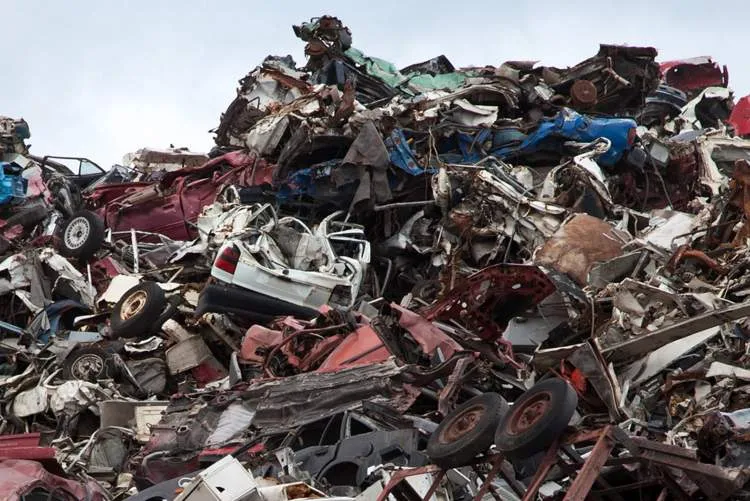
When a vehicle reaches the end of its competitive life or roadworthiness, the story doesn't end there. From a materials engineer's perspective, race cars and road cars present fascinating contrasts in composition, value, and recyclability.
Understanding these differences reveals why some vehicles are worth considerably more as scrap than others.
The fundamental difference between race cars and road cars lies in their material philosophy. Road cars prioritise cost-effectiveness, mass production, and durability over decades of use. Race cars, conversely, are built with one goal: performance, regardless of expense.
A typical family saloon contains approximately 65% steel and iron, 15% plastics and composites, 10% aluminium, and smaller percentages of copper, glass, and rubber. These materials are chosen for their balance of strength, affordability, and ease of manufacturing. The steel used is predominantly mild steel, with some high-strength variants in critical areas.
Race cars tell a different story entirely. Modern racing vehicles incorporate exotic materials that would bankrupt a mainstream manufacturer. Carbon fibre composites form the chassis and body panels, aluminium alloys are used extensively in suspension components, and titanium fasteners replace standard steel bolts. High-performance racing engines may contain magnesium alloy casings, whilst brake systems often feature carbon-ceramic discs that can cost thousands of pounds new.
Why Race Car Scrap Commands Premium Prices
The scrap value disparity between these vehicles becomes clear when examining material recovery. A standard road car might fetch £250 to £400 at a breaker's yard, with the bulk of value coming from steel recycling and salvageable parts. The precious metals in catalytic converters often represent a significant portion of this value, containing platinum, palladium, and rhodium.
Race cars, however, can yield substantially more, particularly from Formula racing series or endurance championships. The carbon fibre alone, whilst challenging to recycle, contains valuable reinforcement fibres. When properly processed, these can be reclaimed for use in less demanding applications. A single carbon fibre monocoque, even when damaged, may hold value exceeding that of an entire road car.
Titanium components present exceptional recovery value. This aerospace-grade material is expensive to produce and highly recyclable without loss of properties. Titanium fasteners, suspension components, and exhaust systems from race cars are often salvaged and resold rather than melted down, as they retain significant value in the motorsport community.
The Challenge of Composite Materials
The aluminium alloys used in racing are typically higher-grade specifications than those in road cars. Aerospace-grade 7075 aluminium, common in racing suspension, commands better prices than the 6000-series alloys found in standard vehicles. Even when recycled, these premium alloys maintain their value chain.
Carbon fibre presents both opportunity and obstacle in scrap recovery. Unlike metals, carbon fibre composites are notoriously difficult to recycle. The material consists of carbon fibres embedded in an epoxy resin matrix, and separating these components requires energy-intensive processes.
Current recycling methods include pyrolysis, where heat breaks down the resin to recover fibres, and mechanical grinding to produce chopped fibre material. Neither process is as economically straightforward as melting down steel or aluminium. However, specialist recyclers are developing markets for reclaimed carbon fibre in automotive parts, sporting goods, and construction materials.
Road cars increasingly incorporate carbon fibre in luxury and performance models, but the quantity pales compared to race car applications. A BMW M4's carbon fibre roof panel represents a fraction of the material in a GT3 race car's entire body structure.
Precious Metals and Electronics
Whilst race cars lack the catalytic converters found in road-legal vehicles, they contain other valuable materials. Wiring harnesses use high-purity copper, and electrical connectors may be gold-plated for reliability. Data acquisition systems, though outdated when cars are scrapped, contain circuit boards with recoverable precious metals.
Road cars, particularly newer models, contain increasingly complex electronics. The average modern vehicle has over 100 microprocessors, creating what some call an "urban mine" of recoverable materials. However, the extraction process is labour-intensive and often uneconomical at small scales.
The scrap value equation isn't purely about material worth. Market demand fluctuates with commodity prices, legislative changes, and recycling infrastructure availability. The UK's End-of-Life Vehicles Directive mandates that 95% of a vehicle's weight must be reusable or recoverable, driving innovation in recycling processes.
Market Realities, Regulations and the Environmental Perspective
Race cars exist outside typical automotive recycling streams. Many never reach conventional scrapyards, instead being parted out within racing communities where individual components retain value. Race car scrapping requires specialist knowledge, as a retired vehicle's gearbox, differential, or even its data logger might be worth more to another racing team than to a recycling facility.
Steel prices significantly impact road car scrap values. When global steel prices rise, scrap values increase correspondingly. Aluminium prices also affect calculations, particularly for vehicles with aluminium-intensive construction like Range Rovers or Audi A8s.
From an environmental standpoint, the materials intensity of race cars raises questions. The carbon footprint of producing carbon fibre and titanium is substantial, and limited recyclability means much of this environmental cost isn't recovered at end-of-life.
Practical Considerations for Vehicle Owners
Road cars, despite using less exotic materials, benefit from established recycling infrastructure. Steel recycling is mature and efficient, with recycled steel requiring 75% less energy than virgin production. Aluminium recycling saves 95% of the energy needed for primary production.
The motorsport industry increasingly recognises these challenges. Formula E and endurance racing series are implementing sustainability programmes, exploring bio-composites and recyclable alternatives to traditional carbon fibre.
For those scrapping a standard road car, maximising value means removing valuable components before sending the shell to a recycler. Catalytic converters, alloy wheels, and functioning electronics all fetch better prices sold separately than included in whole-vehicle scrap weight.
Race car owners face different considerations. The specialist nature of components means finding the right buyer (whether another competitor, a historic racing enthusiast, or a materials recycler) can dramatically affect returns. Documentation proving the provenance of exotic materials can also enhance value.
The Way Forward
The gulf in scrap value between race cars and road cars reflects fundamental differences in engineering philosophy and material selection. Whilst a family hatchback returns to the material stream as predominantly steel and plastics, a race car represents a concentrated cache of high-performance alloys, composites, and precision-engineered components.
For materials engineers, these vehicles represent opposite ends of the automotive spectrum: one designed for democratic accessibility and longevity, the other for ultimate performance regardless of cost. Both, however, embody valuable resources that merit careful recovery and reuse.
As recycling technologies advance and material scarcity increases, the efficient recovery of automotive materials (whether from the humble road car or the exotic race car) becomes increasingly crucial to sustainable manufacturing.
Latest News










Loading