Giti Heads to the Nürburgring 24-Hour Race with WS Racing and the Girls Only Team
Le Mans, WEC & DTMWednesday, 13 May 2026 at 06:09
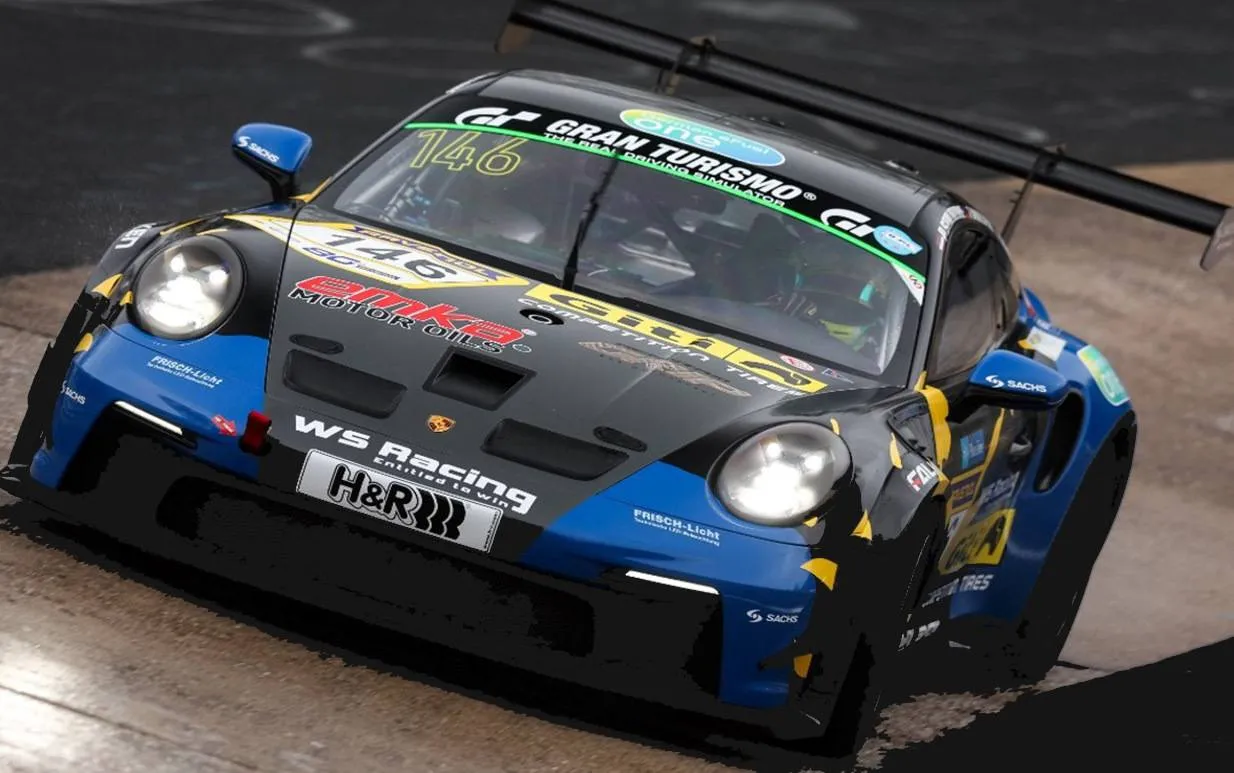
The countdown to one of motorsport’s most demanding endurance races is underway, and Giti Tire is preparing to return to the Nürburgring 24-Hour Race with a clear message: performance is proven under pressure.
Starting 14 May, the
legendary event will bring together elite teams, committed fans, and global
racing talent for a test that demands more than speed. At the Nürburgring, motorsport tires must handle changing weather,
long stints, aggressive braking, high-speed corners, heavy loads, and the
mental pressure of racing through day and night.
For
Giti, this is exactly why the race matters. The Nürburgring is not only a stage
for competition. It is also a real-world laboratory where engineering decisions
are exposed to extreme conditions. The event connects directly with Giti’s
broader belief that motorsport can accelerate tire development, strengthen
technical learning, and support better performance for road users far beyond
the track.
A demanding return to the Green Hell
Known
globally as the “Green Hell,” the Nürburgring combines more than 25 kilometres
of challenging circuit conditions with unpredictable weather and relentless
racing intensity. It is a place where small weaknesses can become major
problems. Tire grip, structure, heat management, steering response, and
wet-weather stability all matter, because the race gives teams very little room
to hide. This makes Giti’s continued involvement with WS Racing highly relevant
from both a sporting and engineering perspective.
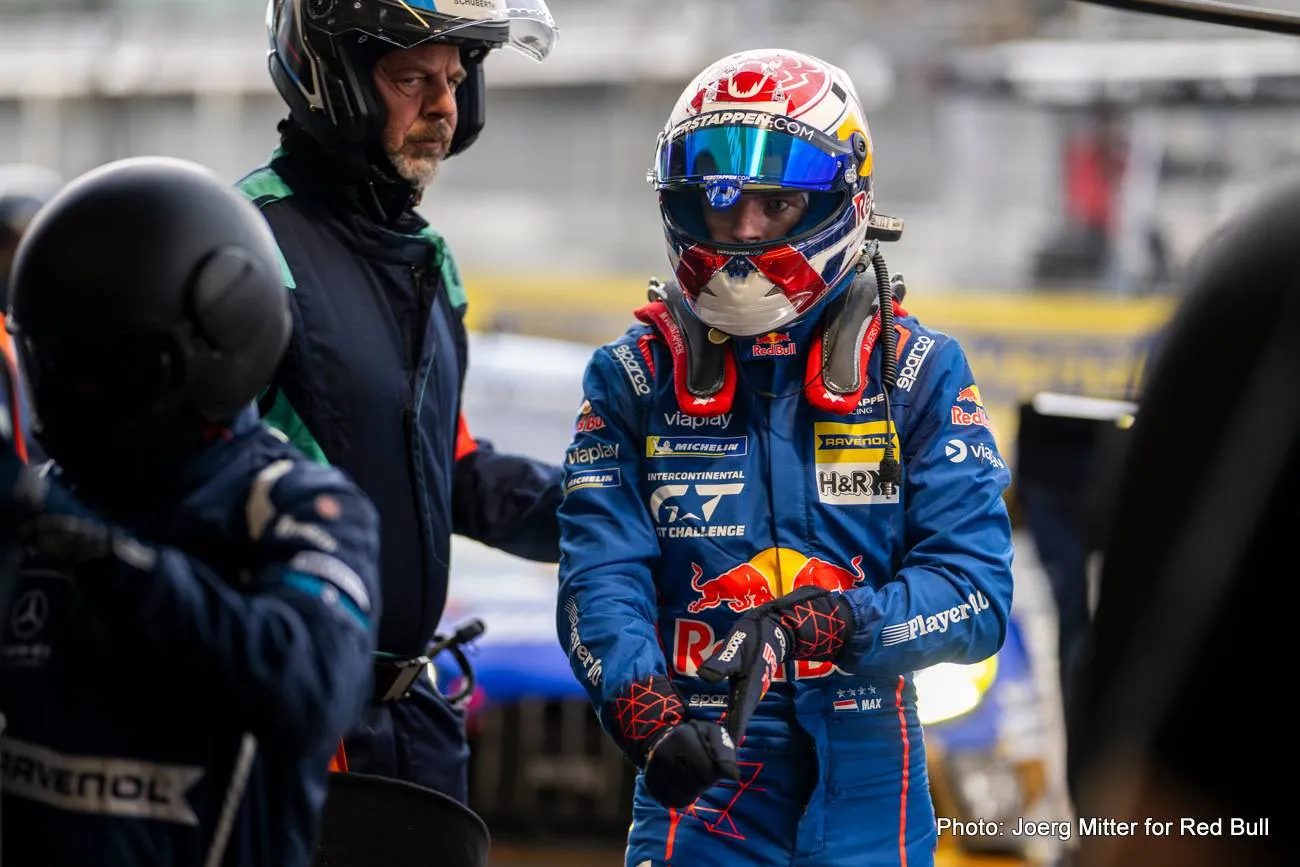
The
2026 race also carries wider global attention with Formula 1 World Champion Max
Verstappen expected to participate. That kind of spotlight raises the
visibility of the Nürburgring endurance scene and gives brands involved in the
event a larger international audience. But the real value for Giti is deeper
than visibility. The Nürburgring gives the brand another opportunity to show
how racing pressure can support long-term tire innovation.
WS Racing and Girls Only bring performance, inclusion and purpose
Giti’s
involvement this year continues through its long-standing partnership with WS
Racing, including the Girls Only – Ready to Rock the Green Hell project. The
team is set to compete in the AT2 class with a Porsche 911 GT3 Cup carrying car
number 146. The driver line-up features Carrie Schreiner, Janina Schall, and
Fabienne Wohlwend, giving the entry strong competitive credibility while also
reinforcing the importance of female talent development in motorsport.
That
point matters. Motorsport is still too often discussed only through the lens of
machines, lap times, and technical hardware. The Girls Only project adds a
human dimension: skill, preparation, teamwork, and opportunity. It places
experienced female drivers and team members at the centre of one of endurance
racing’s most difficult events, showing that high-level performance and
representation can belong in the same conversation.
For
Giti, this aligns naturally with a more modern view of motorsport. Racing is
not only about chasing a result. It is also about building platforms where
talent, technology, sustainability, and engineering discipline meet.
Sustainability enters the endurance-racing conversation
This
year’s Porsche 911 GT3 Cup entry will also run on environmentally friendly fuel
supplied by German eFuel One, sponsored by the eFuels Forum. In practical
terms, this gives the campaign a sustainability angle that fits the direction
of the wider automotive industry. Motorsport remains demanding and
resource-intensive, but it can also become a proving ground for new ideas,
including lower-impact fuels, efficient engineering, and more responsible
development methods.
That
connects with Giti’s own sustainability direction. Giti’s technology platform
increasingly places performance and responsibility side by side, especially
through work in eco-conscious compounds, lower rolling resistance, renewable
materials, recycled materials, and future-focused tire development. Giti’s 93%
sustainable-material concept tire, for example, shows how the company is
exploring ways to combine renewable inputs, recycled components, safety, and
performance in the same development pathway.
The
Nürburgring program should not be treated as a standalone sustainability
solution. That would be overstating it. But it does help reinforce a broader
message: future tire and mobility innovation will need to balance durability,
control, efficiency, and environmental responsibility, not choose only one.
Why Nürburgring experience matters to tire development.
Giti’s
own motorsports philosophy is clear: racing gives engineers information that
ordinary testing cannot fully reproduce. Every lap, corner, and pit stop can
generate useful feedback. In endurance racing, that feedback becomes even more
valuable because the tire must perform over extended use, under changing
conditions, and across different driver demands.
This
is where the Nürburgring becomes especially relevant. A tire may feel strong in
one short test session, but endurance racing asks harder questions. Can the
tire maintain stability as temperatures shift? Can it support confidence in wet
and dry sections? Can it handle repeated braking zones, curb impacts, long
high-speed sections, and rapid load changes? Can it provide a predictable feel
to the driver when fatigue and changing track conditions increase risk? These
are the kinds of questions that make motorsport useful to a tire manufacturer.
Giti’s
motorsport page describes racing as an accelerated research and development
environment, where extreme conditions help refine materials, tread design, and
structure. This is the correct way to frame the Nürburgring: not as a simple
marketing appearance, but as part of a larger performance-learning system.
From race tire learning to road tire technology.
The
most valuable motorsport programs are the ones that influence real engineering.
Giti’s broader technology ecosystem gives this race context. AdvanZtech 2.0,
the company’s next-generation tire technology platform, is built around eight
areas of expertise covering safety and security, comfort and ride quality,
control and handling, economical and sustainable performance, resilience and
endurance, smart innovation, design, and continual development.
Several
of those areas are directly relevant to Nürburgring-style endurance racing.
Control and handling are obvious requirements. Resilience and endurance matter
over long stints. Comfort and noise management become increasingly important
when race-derived learning feeds into passenger car tires and electric vehicle
tires. Economical and sustainable performance is also becoming more important
as manufacturers seek lower rolling resistance, longer wear life, and better
energy efficiency without giving up safety.
This
is where the story becomes stronger than a basic race preview. Giti is not
simply appearing at a famous circuit. The company is connecting motorsport
activity with a technology pipeline that includes advanced compounding,
simulation, smart manufacturing, EV-ready tire development, and sustainability
research.
A motorsport story that fits Giti’s wider 2026 direction.
The
Nürburgring appearance also fits Giti’s wider brand momentum in 2026. Recent
Giti updates point to a company working across several connected areas:
motorsport performance, electric mobility, original equipment partnerships, and
sustainable materials. The company has highlighted EV-ready tire development
through the GitiControl P10, GitiSynergy H2+ and GitiSport S2+, while also
announcing BMW iX1 and iX2 OE nominations for the GitiSynergy H3 in size 245/40
R20 99Y XL.
Those
developments are not the same as endurance racing, and they should not be
blurred together as if one proves the other. But they do sit inside the same
strategic direction. Modern tire development has to serve different demands at
once: handling, braking, low noise, reduced rolling resistance, durability,
vehicle weight, torque response, and sustainability. Motorsport gives Giti one
kind of pressure test. EV and OE development gives it another. Together, they
show why tire engineering is becoming more complex and more important.
Part of a 26-year motorsport journey.
Giti’s
Nürburgring campaign also gains meaning from the brand’s longer motorsport
history. In 2026, Giti marked 26 years of motorsport involvement, covering
circuit racing, off-road competition, and demanding endurance environments. The
company has also highlighted more than a decade of participation in Nürburgring
endurance racing, using the German circuit as a high-pressure proving ground
for grip, durability, heat control, and handling insight.
That
continuity matters. A single race entry can create attention, but long-term
participation creates learning. The more a tire company works across events,
weather conditions, car classes, teams, and driver feedback, the more useful
the data becomes. Giti’s work with WS Racing and the Girls Only project should
therefore be seen as part of a broader motorsport development path, not a
one-off campaign.
Ready for the pressure of 14 May.
As
the Nürburgring 24-Hour Race begins on 14 May, Giti and WS Racing return to one
of the toughest tests in global endurance motorsport. The Porsche 911 GT3 Cup,
the Girls Only team, the use of environmentally friendly fuel, and the
attention around this year’s event all give the campaign strong news value. But
the bigger story is what the race represents for Giti: a place where
performance, inclusion, sustainability, and tire engineering are tested
together.
The
Green Hell does not reward vague claims. It rewards preparation, structure,
control, and consistency. For Giti, that is exactly why the Nürburgring remains
important. It is where motorsport passion becomes practical learning, where
technical ambition is tested by reality, and where the company’s race
experience continues to connect with the future of road tire innovation.

Latest News



Loading