Top 5 Formula 1 Qualifying Sessions To Bet On In 2026: Monaco, Hungary, & More
F1 Grand PrixMonday, 23 March 2026 at 02:11
Formula 1 qualifying is the most chaotic 60 minutes in motorsport, and it's become even more unpredictable in 2026. New engine regulations, Honda's expanded role as a power unit supplier, and active aero systems are compressing lap time gaps across the grid.
On tight tracks like Monaco and Hungary, a traffic snag or a cold tire on the out-lap can cost you pole by a couple of tenths.
Over the past five seasons, more than 30 percent of poles at those circuits went to drivers who weren't fastest on Friday. That kind of variance is where betting value lives. This guide picks the five qualifying sessions with the most edge in 2026 and explains how to approach them.
F1 Qualifying Betting 101
Qualifying splits into three segments. Q1 drops the slowest five cars, Q2 cuts another five, and Q3 is a shootout between the remaining ten for pole. Each segment runs between 12 and 18 minutes, which means track evolution, rubber building up, grip improving lap by lap, plays a huge role. The full qualifying format is governed by the FIA Sporting Regulations, which are updated each season. On street circuits, lap times can drop by over a second from early Q1 to the final Q3 runs.
Useful markets include pole position, front row, top three, top six, fastest sector, and head-to-head driver matchups. The sharper bettors track practice pace, long run data, tire compounds used, and historical results at similar layouts. Tracks where the lap time variance across sectors exceeds 0.8 seconds tend to produce more surprising results.
Weather is the wildcard. Rain arriving mid-session in Q2 can eliminate a championship contender before Q3 even starts. Mixed conditions pushed pole variance up more than 20 percent compared to dry qualifying in 2024 and 2025. The window to find value is before bookmakers catch up to changing conditions.
Top 5 F1 Qualifying Sessions to Bet On
1. Monaco GP Qualifying - May 2026
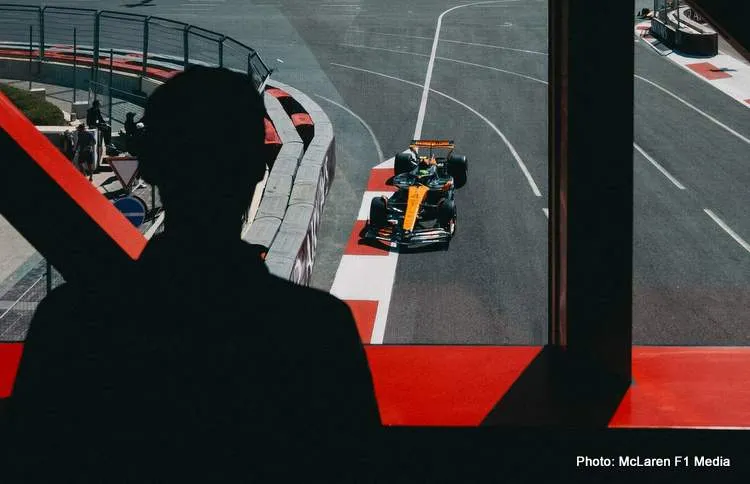
Monaco is the one circuit where pure pace matters least. The 3.3 km layout is narrow, lined with barriers, and almost impossible to overtake on. Since 2015, over 80 percent of Monaco race winners started from pole, which makes qualifying here the race. In 2023 and 2024, two poles came from drivers who hadn't been fastest in any of the three practice sessions. That should tell you something about how much grip, traffic, and timing dictate the result.
The tunnel and final sector create natural bottlenecks where traffic can ruin a lap instantly. In 2022 and 2025, red flags in Q3 froze the order before final runs were completed, and the odds swings were dramatic - a driver at +150 can jump to +400 on a single yellow flag. Clean air matters more here than raw power, and with 2026's active aero changing downforce characteristics mid-corner, setup choices will be more consequential than ever.

2. Hungaroring GP Qualifying - July 2026
The Hungaroring earns its reputation as Monaco without the barriers. Overtaking is difficult enough that grid position goes a long way toward deciding the race outcome. Since 2018, six different drivers have taken pole there, a spread that reflects how much the middle sector rewards precision over raw power. In 2022, a midfield team ended up on the front row because they got their tire preparation right while the frontrunners chased the wrong setup.
The technical middle sector is where 2026's active aero systems will matter most. Small aerodynamic gains at the right corner speeds can shift a lap time by three tenths, enough to jump three grid spots. When the field is this compressed, head-to-head qualifying markets often carry more value than outright pole bets.

3. Circuit of the Americas Qualifying - October 2026
COTA mixes long straights with high-speed esses, and wind direction across the lap changes enough to matter. From 2019 to 2024, pole margins averaged under 0.2 seconds - a margin where a single deleted lap in Q2 reshuffles the whole order. That happened in 2023, when three top drivers lost their best times to track limits violations, and live odds swung hard before bookmakers closed the markets.
Track limits enforcement at COTA is strict. The Q2 elimination market is worth watching here specifically because of how often a deleted lap changes who reaches Q3. That +350 on a Q2 elimination prop reflects real risk that materializes more often than the odds imply.

4. Mexico City GP Qualifying - October 2026
Mexico City sits at over 2,000 meters above sea level. Thin air reduces aerodynamic drag and changes how power units behave, particularly in hybrid deployment. Teams that struggle at sea level sometimes find unexpected pace here, and the reverse is also true - favorites from the previous race can arrive in Mexico and find their car doesn't suit the conditions. From 2021 to 2024, pole winners came from three different constructors.
Cooling and engine mapping take priority over chassis balance here, which means the qualifying order can diverge sharply from recent form. Power unit development cycles and hybrid deployment strategies will be more readable from practice data than from championship standings, and that gap is where betting value shows up.
5. Abu Dhabi GP Qualifying - November/December 2026
The season finale carries a different weight. Championship pressure changes how teams and drivers behave, and that pressure increases mistake rates. In 2021 and 2024, pole battles came down to the final laps with margins under a tenth of a second. The stakes push both caution and aggression, often at the same time.
Qualifying runs at sunset into the night, and track temperature drops quickly as the session progresses. Teams that time their final Q3 run perfectly gain a grip advantage that can be decisive. In two of the last four seasons, the fastest lap of qualifying came in the final minute. Championship head-to-head props carry unusually high volatility here, which is usually underpriced.

Advanced F1 Qualifying Betting Strategies
- Line shopping is the simplest way to improve long-term returns. Comparing crypto sportsbook lines, including Moonbet, against traditional books often reveals five to ten percent differences on props like fastest sector or Q2 elimination. Over a full season of qualifying bets, that gap compounds.
- Building a simple track model helps. If the lap time variance at a circuit exceeds 0.8 seconds across sectors, the upset probability goes up. Layer weather data on top. A 20 percent rain probability in Q2 can justify small exposure on longer-priced drivers, since bookmakers are often slow to reprice in response to forecast changes.
- Bankroll discipline is what separates bettors who last from those who don't. Risk 0.5 to 1 percent per qualifying bet. Avoid parlays longer than two legs - qualifying is volatile, and correlation risk builds fast.
- Live betting during red flags offers the sharpest edges: markets freeze briefly and reopen with wide spreads, and a driver who has already banked a clean lap can shift from +300 to favorite while the field scrambles.
Staking Strategy by Risk Level

Why Crypto Speed Matters For F1 Qualifying Bets?
F1 qualifying moves really fast. A red flag, a deleted lap, or a sudden rain shower can shift the betting landscape in under a minute, and if your deposit hasn't cleared yet, you've missed it. Moonbet's crypto sportsbook launch in 2026 is built around that problem - instant payouts and deposits across more than 50 cryptocurrencies, including BTC, mean you're not waiting on a bank while the market moves.
The platform allows no-KYC play up to $5,000, which suits bettors who want to move quickly on specific events. A 200 percent deposit bonus up to $100,000 (capped at 1 BTC) gives extra margin for high-variance sessions like Monaco and Abu Dhabi, where line value appears and disappears in seconds. For qualifying betting specifically, transaction speed isn't a convenience anymore but part of the edge.

Monaco and Hungary offer the most chaos and, by extension, the most value in qualifying. COTA, Mexico, and Abu Dhabi each carry their own technical edges. In all five cases, the approach is the same: watch lap time trends from practice, track weather shifts, and understand track evolution before placing bets.
Compare lines, manage risk tightly, and act before the market does. The 2026 regulations will create new patterns, and the bettors who identify them first will do well.
Latest News
Loading