Why the Hungarian Grand Prix at Hungaroring really matters
F1 NewsThursday, 11 December 2025 at 06:40
Formula 1 about speed, power and precision across most of the circuits, but halfway through the season, one track stands apart from all the others. The Hungaroring, home of the Hungarian Grand Prix, has a unique layout that challenges everyone involved.
As it falls midway into the season, it influences championship dynamics through summer and beyond. What makes the Hungaroring so unique, and how does it affect the cars, the drivers and their teams? Why can’t fans get enough of the Hungarian Grand Prix, and what lessons define this pivotal race?
The Hungaroring is the track that divides driver opinion like no other circuit, presenting significant challenges for even the most seasoned racers.
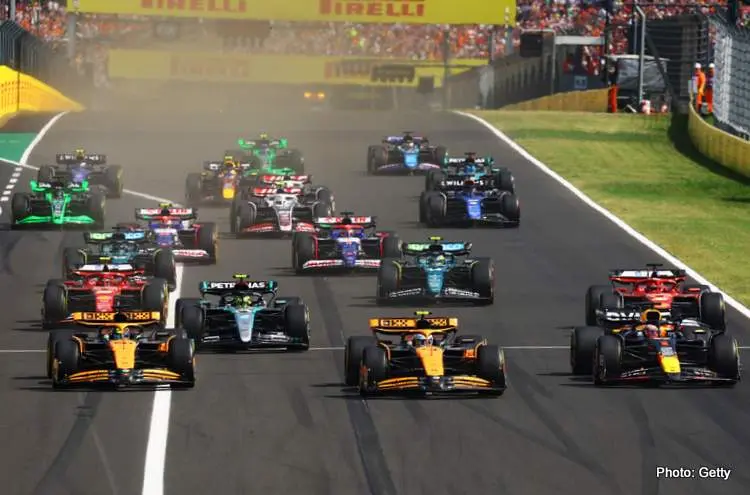
The Hungaroring is notorious due to its 14 corners and limited straight recovery zones. Of the corners, three are 180-degree hairpins, and one is a full 90-degree right turn. There are only three short accelerator zones on the track and one main straight. Even the main straight at 908m is shorter than the average of 1,150m.
Overtaking is how to win at Formula 1, and with only one opportunity available after the first turn, it requires an extraordinary amount of skill from the driver attempting it. The circuit’s narrow width—ranging from 10 to 12 metres through most corners—further restricts overtaking opportunities.
Any attempt to pass off the optimal racing line means encountering loose rubber marbles that destroy grip, making alternative lines unviable even when a driver has superior pace. Through to the 2018 season, 64% of Hungarian Grand Prix winners started from pole or P2. Recent years have produced some surprising exceptions—which we’ll get into shortly.
The Challenges for Formula 1 Cars

While the Hungaroring is open year-round for cars to try out the track, it mostly lies there unused, which means that at race time there are immediate challenges.
On Fridays of the Hungarian Grand Prix, the track is known as a green track; the dust accumulation from surrounding fields creates very poor adhesion and hence the chalenges of Hungaroring.
This dust and sand issue continues non-stop, so the track never gets rubbered in like most others. Qualifying at this track requires forward planning. Grip levels that improve during Saturday qualifying can deteriorate overnight, forcing teams to balance setup decisions coming into an uncertain race-day surface.
The Hungaroring poses two significant challenges for vehicles, which result in modifications needed before the race begins.
The biggest challenge for the vehicles is the European heat. In Budapest in July, average temperatures are around 28-30°C; however, heat waves are common with temperatures exceeding 35°C. There was one memorable event in 2007 when the temperature peaked over 40°C.
The Hungaroring track comprises dark asphalt, which absorbs massive amounts of heat, making the track temperature usually between 50-58°C. The biggest impact of this is on the tyres. Tyre thermal degradation is the single biggest concern for drivers and their pit crew and is the basis of many strategic battles on the track.
Hungaroring can be hard on cars

The other consideration is the gearbox. These aren’t allowed to be altered per F1 rules, yet drivers must execute 78 gear changes per lap—compared to an average of 55—putting extraordinary stress on a single component. This, coupled with the extreme heat for a component that’s expected to last six races, could cause it to burn out in this single event.
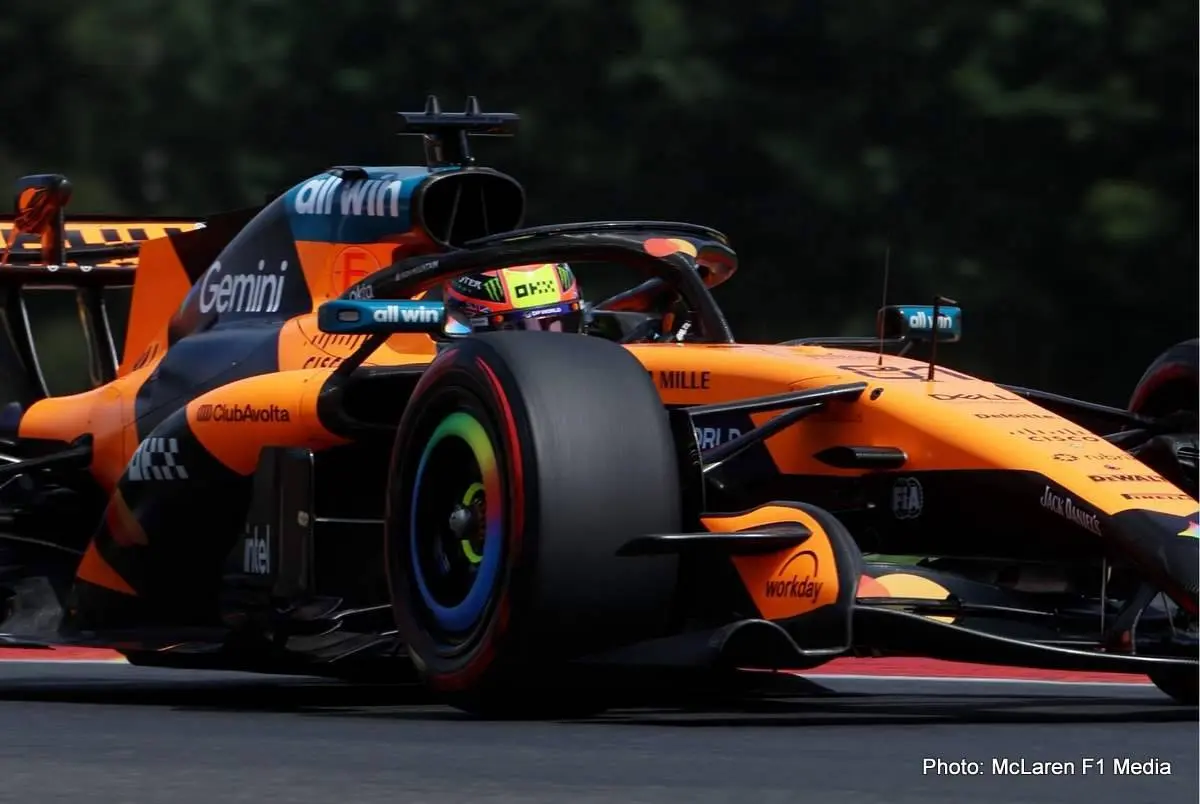
The challenges that the Hungaroring and the heat provide mean that the vehicles need specific modifications done for this track alone.
These include:
- Cooling panels: Perforated or open versions to allow the vehicle to cool down faster
- Brake ducts: Wider openings designed for heat and low straight-line speeds
- Engine covers: Vented or louvred versions with extra cutouts
- Front wings: Steepest angles for maximum front grip
All of these extra components get added after the Belgium event, the week prior. This is a race-against-time task for the team.
The Hungaroring from a Driver’s Perspective

The Hungarian Grand Prix happens one week after the Belgian one, and they couldn’t be more polar opposite. The race at the Circuit of Spa contains the season’s longest circuit (7km) and is designed for high-speed racing due to its long straights and low downforce.
The Hungaroring is a much shorter circuit (4.4km)—tight and twisty, with only one short straight and high downforce. Drivers need to shift their thinking 180 degrees before getting behind the wheel.
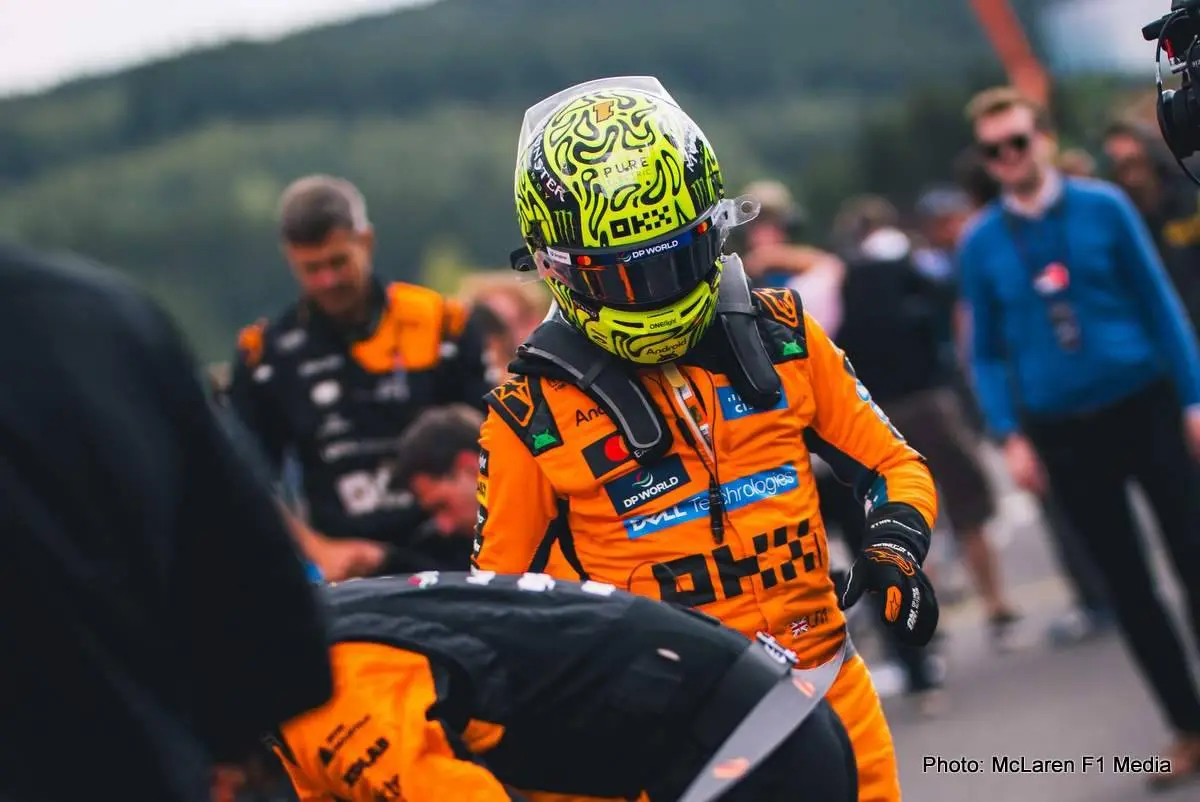
Drivers need to be in their most fit physical and mental condition for the Hungaroring. There are no opportunities to ease off, like there are at Spa, for example. The 14 turns and the 78 gear changes per lap test every driver’s precision. Constant shifting through a 70-lap race—5,460 total gear changes with no margin for error. A mistimed downshift under braking can lock the rear wheels; an aggressive upshift mid-corner can unsettle the chassis. Couple this level of sheer focus with 30°C cockpit temperatures, and you can see why Hungary is considered one of the calendar’s most physically draining events.
The Hungaroring from a Fan’s Perspective

The challenges of the track for the cars, drivers and their crew are the exact reasons fans love coming to Hungary for the grand prix. They’re automatically guaranteed an exciting weekend.
The entire circuit sits in a valley, part of a bowl formation, with hills rising around the track on multiple sides. This setup creates a tiered viewing element from elevated positions. With 80% of the track visible from most spectator points, fans feel as if they’re part of the action, while the valley amplifies the sound of the engines, creating a “wall of noise.”
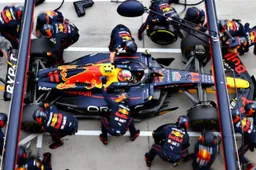
Some critics suggest the Hungarian Grand Prix is boring as there are few overtaking opportunities, similar to Monaco. However, there are other ways the Hungaroring provides excitement. While overtaking is rare, pit timing takes centre stage; one misstep or even a few seconds’ delay could cost a driver any chance of victory.
Strategic battles win over hardcore fans. The issue of tyre degradation comes into play. Spectators can literally see tyres beginning to fail, with bubbles appearing and chunks of rubber falling off. They’re watching the drivers to spot who takes the risk and forgoes a pit stop for one more lap, or who plays it safer and makes the most of their tyres.
How the Hungaroring Drives Betting Markets

While 64% of pole and P2 drivers have historically won in Hungary, these two positions suggest safe bets. However, it’s the other 36% that defy predictions and make for interesting betting—a pattern that’s intensified in recent seasons.
Strategic drivers who may have gone under the radar during the first half of the season are likely to shine here. As an example, six drivers over the race’s history have had their first-ever wins at Hungary, most recently Oscar Piastri in 2024. Punters never expected these results, but anyone who did bet on one of these drivers must have felt the same as if they’d had an unexpected jackpot win at a casino.
The Hungaroring is the final race before Formula One’s summer shutdown. Three weeks separate Hungary from the next race in Zandvoort (The Netherlands). This break allows teams to determine how to proceed with the rest of the season.
The circuit has already placed incredible demands on the vehicles and may have even exposed truths that faster tracks conceal. Chassis weaknesses that power can mask at Spa or Monza, for example, become impossible to hide here.
Data gathered across the Hungarian Grand Prix weekend informs resource allocation during the break. Teams decide whether to refine current concepts or abandon them entirely—choices that determine competitiveness for the season’s final ten races. Engineering groups that misread Hungary’s lessons often watch championship hopes evaporate by September.
The Hungarian Grand Prix is more than a mid-season points exercise; it demonstrates every driver’s and car’s strengths and weaknesses, and helps set up the end of the season.
Latest News
Loading