Casino Sponsorships and Formula 1's High-Speed Betting Era
F1 NewsThursday, 11 December 2025 at 05:35
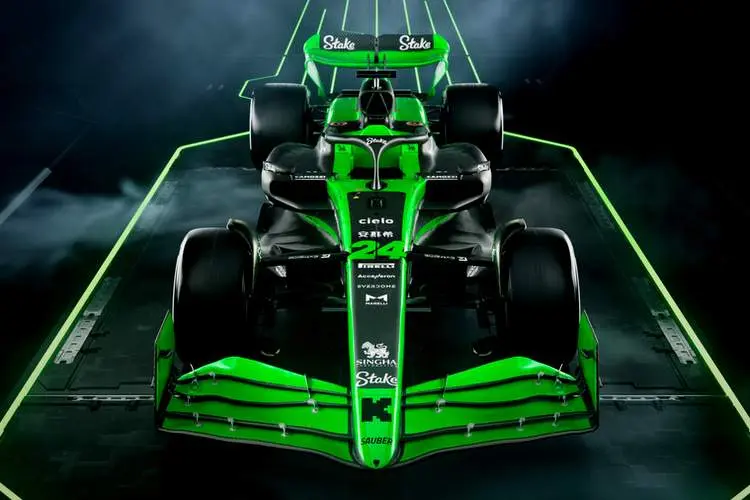
The world of Formula 1 has always been a magnet for high-stakes investment. Today, that investment increasingly flows from the gambling industry.
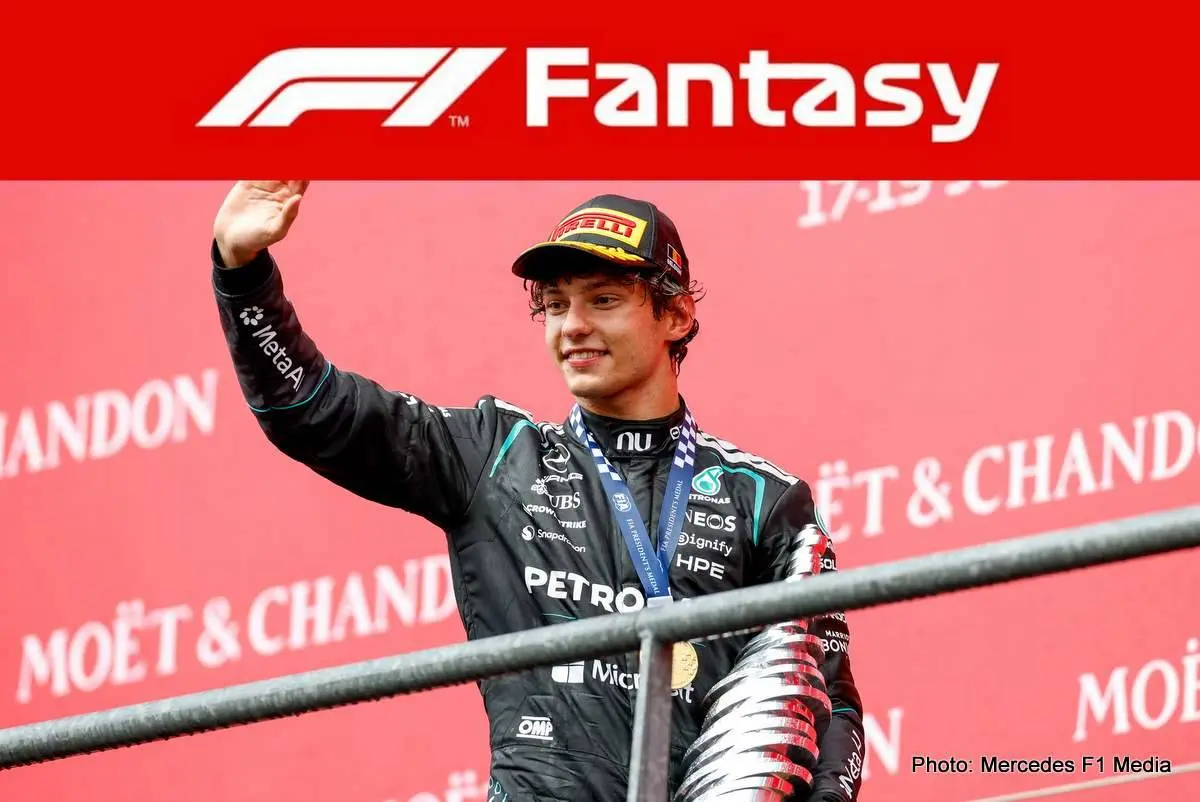
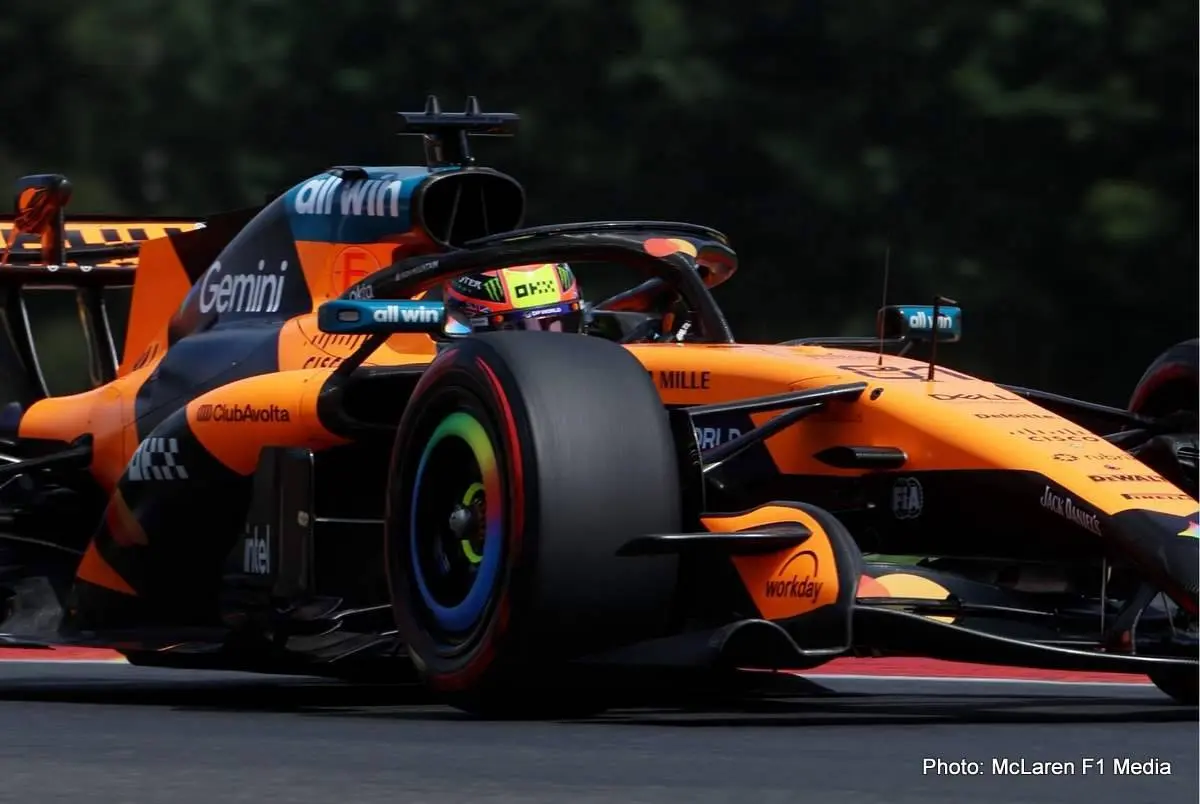
Casino and sportsbook logos now dominate car liveries and driver suits, fueling a new commercial era. This partnership raises complex questions about brand alignment and consumer protection.
Recent discussions around player fund accessibility, like those concerning Lucky Hills withdrawals, highlight the practical realities of this fusion. The relationship between high-speed sport and instant-gratification gaming is now inseparable.
Key Facts: The Betting-F1 Partnership
- In 2025, an estimated 70% of F1 teams will feature at least one gambling-related sponsor.
- The total value of casino and betting sponsorships in F1 exceeded €350 million in the 2024 season.
- A single race weekend in 2023 generated over 1.2 million new sportsbook account registrations globally.
- Fan engagement surveys show 33% of viewers under 35 are more likely to watch a race if they have a live bet placed.
- The first dedicated F2 team sponsored solely by an online casino launched in March 2024.
- Regulatory pressure in key markets like the UK and Spain forced three major teams to renegotiate sponsor deals in late 2024.
The Allure of Speed and Instant Wins

Formula 1 and casino gaming share a foundational DNA: risk, reward, and milliseconds of decision-making. A driver's split-second overtake mirrors the spinning reels of a slot machine, where fortune changes instantly.
This psychological parallel is not lost on marketing executives. They leverage the shared adrenaline rush. Sponsorship deals are no longer just logo placements. They are integrated content campaigns featuring drivers engaging with branded mobile apps.
The promise of a massive jackpot resonates with the dream of a podium finish. Both sell a version of life-changing success achieved in a breathtaking moment.
Navigating the Regulatory Chicane
This high-speed commercial partnership faces tightening regulatory corners. Governments and watchdog groups are applying the brakes. Their primary concern is the exposure of a young, impressionable global audience to gambling content.
New rules in several European countries now mandate stricter age-verification prompts during broadcasts. Teams must balance lucrative deals with social responsibility mandates. This has led to more sophisticated sponsorship activations focused on "playful" casino-style games without real-money stakes.
The discussion often centers on player safety tools and transparent processes, ensuring the industry promotes responsible engagement alongside its thrilling bonuses.
The Future Pit Stop: Innovation or Restriction?

The trajectory of this relationship hinges on a clash between innovation and ethics. We will see more immersive, data-driven betting experiences. Think live in-race prop bets powered by real-time car telemetry. However, 2025 may also bring watershed legislation.
Some advocates push for a complete ban on gambling sponsorships in sports, akin to tobacco. The most likely outcome is a middle path. Expect stricter global codes of conduct. Sponsors will increasingly fund fan education programs on responsible gaming.
The industry's survival depends on proving it adds to the sport's spectacle without exploiting its audience. The drive for profit must be tempered by a duty of care.
The fusion of F1 and casino sponsorship is a defining commercial story of modern sport. It reflects a broader cultural shift towards interactive, instant-gratification entertainment.
This era will be judged not by revenue alone, but by how effectively the sport and its partners manage the inherent risks.
The ultimate victory lies in sustaining a thrilling spectacle while safeguarding the very fans who make it possible. The checkered flag on this chapter has yet to wave.
Latest News




Loading