Why Formula 1 Fans Gravitate Toward Fast-Paced Interactive Entertainment
F1 NewsTuesday, 19 May 2026 at 05:53
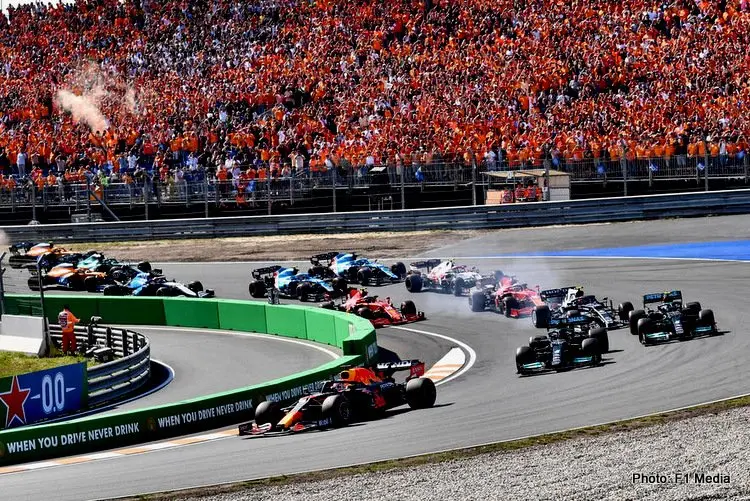
It's a bit bizarre to see a machine go faster than 300 km/h, and commentators are just soaking up the comments about the tyres.
They check the telemetry apps, debate pit strategies at night, listen to the weather radar in Spa, and play the games they enjoy, such as F1 25 or iRacing, all week long. For two hours, fans go round and round in their heads trying to work out various possibilities.
That constant calculation starts resembling the logic of live probability games more than traditional sports viewing. Every lap can suddenly flip the odds.
The appeal of instant feedback
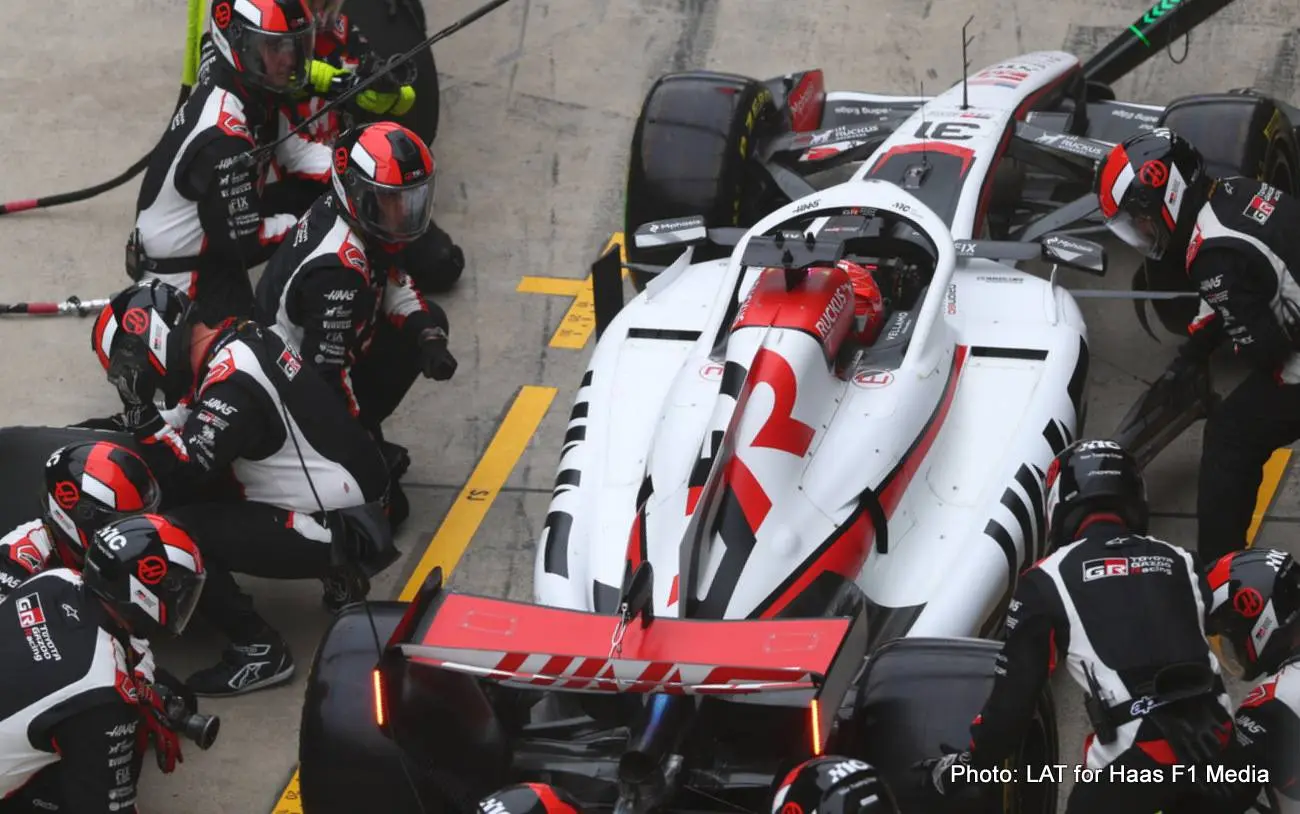
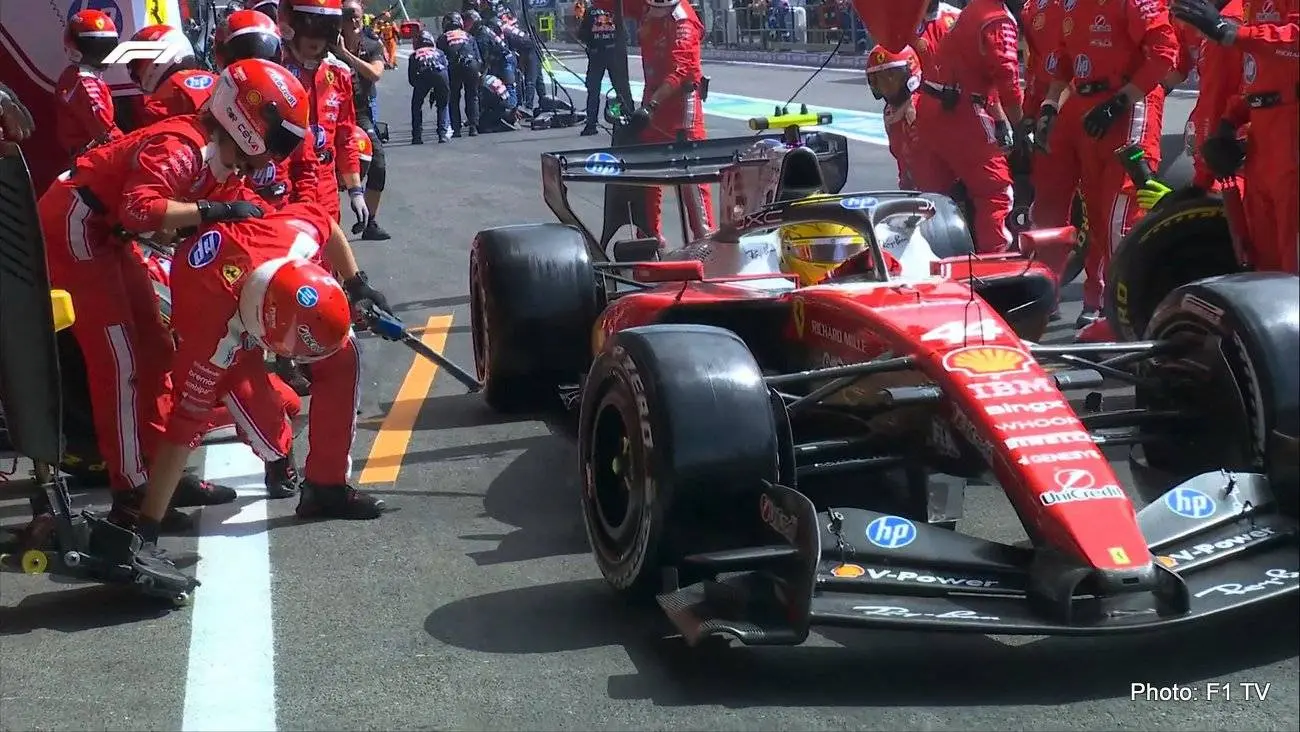
Reaction time is a myth in Formula 1. A driver's reaction time is less than 200 milliseconds to a visual signal. Pit crews practice tyre changes to be done in approximately two seconds. Even engineers make real-time strategy changes under crazy stress.
The atmosphere almost feels like a live-risk environment where timing matters more than certainty. One delayed reaction and the whole situation changes instantly. That's why it's only natural that many motorsport fans gravitate towards entertainment that involves quick reactions and instant results.
Even fast-moving platforms built around probability, timing and instant outcomes - fantasy sports, prediction games, esports, trading simulators, and live digital gaming/gambling environments. Live interaction, real-time stats and quick decision-loops are frequently promoted in platforms like Unibet, and they are what sports fans are accustomed to in the world of motorsport.
Not always because of the racing fans' gambling nature, which is too often the case, but because they are more at ease in a state of uncertainty. Formula 1 fans are already conditioned to think in percentages, scenarios and momentum swings. In many ways, race strategy itself feels like a controlled wager against time, weather, tyre wear and human error.
Data feels like part of the sport
Modern fans can analyse temperature graphics and sector comparisons in real time. At certain Grand Prix weekends, watchers indulge in more than one screen:
- Live onboard cameras
- Telemetry dashboards
- Social media race analysis
- Timing applications and predictive models
Just a few seconds away is always another update, another probability shift and another outcome. That rhythm mirrors the psychology behind live interactive gaming, where users stay engaged because the situation never fully settles. Baseball pauses constantly. After the mental storm has hit Formula 1, it doesn't really allow for a break.
Simulation, risk, and the psychology of control
After watching a lot of Formula 1, a strange phenomenon occurs, and people start to predict races on an instinctive level. They estimate undercuts. They mentally calculate risk versus reward without even noticing it. They expect the presence of safety cars.
Sometimes it is referred to as “participatory anticipation” by psychologists. Interactive entertainment is based on the same mechanism. Users are not just consuming results and products, but they are also predicting results and products.
The predictive layer generates dopamine responses when it's not just about winning; there's also about being right. That's the same emotional trigger that keeps many real-time gaming systems engaging: anticipation becomes part of the entertainment itself.
But there's another that is overlooked: controlled risk. F1's thrilling without being too dangerous, it's structured enough to be safe. The audience experiences uncertainty from a comfortable distance, much like other forms of controlled-risk entertainment built around suspense and rapid outcomes.
Many digital platforms that are fast-paced replicate that emotional balance almost to the tee – uncertainty encased in rules and systems.
Why younger F1 audiences behave differently
Following the success of Formula 1: Drive to Survive in all corners of the world, Formula 1 has acquired millions of younger viewers who have grown up on an interactive, digital platform. They're used to live chats and second-screen viewing, instant statistics, and algorithm-driven entertainment.
Passive viewing no longer feels enough for many younger fans. They prefer environments where interaction continuously affects the emotional experience. The younger generation is much more likely to be involved in gaming, streaming and interactive gambling activities related to motorsport culture, according to Formula 1's own audience reports.
The interesting part is not, however, that people's attention spans are getting shorter. It's the desire for constant stimulation with personal agency. A film that lasts for two hours, without any interaction? More difficult to watch than a crazy qualifying at Monaco.
The emotional logic behind the attraction
The emotional structure of Formula 1 matches the interactive entertainment that's happening at a rapid pace very closely:
- Immediate consequences
- Split-second decisions
- Constant probability shifts
- High sensory stimulation
- Reward systems tied to timing and prediction
It's not so much a gambling thing as the tempo. The attraction comes from volatility, fast feedback and the feeling that outcomes can change at any second. In motorsports, people develop a deep understanding of a world where it can be a matter of inches and a matter of life and death.
Of course, they seek out activities that are similar in emotional content. Truthfully, Formula 1 has always been about managing stress and holding back emotions, but making it look like a sport. The engines are noisy, the branding is sexy, the technology is futuristic, but at its very core is a very human fascination with the unknown.
Latest News


Loading