Motor sport fandom has a tinge of irrationality. You can watch cars going round the same circuit for 2 hours, then get all fired up about it online after, and get up at 5 am the next weekend to watch them again.
The sport appealed to over 750 million viewers globally and was boosted by younger viewers, according to the latest figures from Formula One Group. What is interesting, however, isn't the size, it's the behaviour around it. F1 fans don't stop at races! They discuss telemetry breakdown, prediction games, fantasy leagues, simulator racing, on-board cameras, and Discord discussions.
Race weekends increasingly feel less like passive viewing and more like live participation, where fans constantly predict outcomes, calculate risks, and react to momentum swings almost in real time.
The psychology of high-speed attention
Modern F1 races are based on split-second calculations. Drivers take milliseconds to make steering corrections, and engineers take real-time data from the tyres to make decisions. For many viewers, part of the excitement comes from trying to anticipate those decisions before they happen - almost like reading odds during a rapidly changing game.
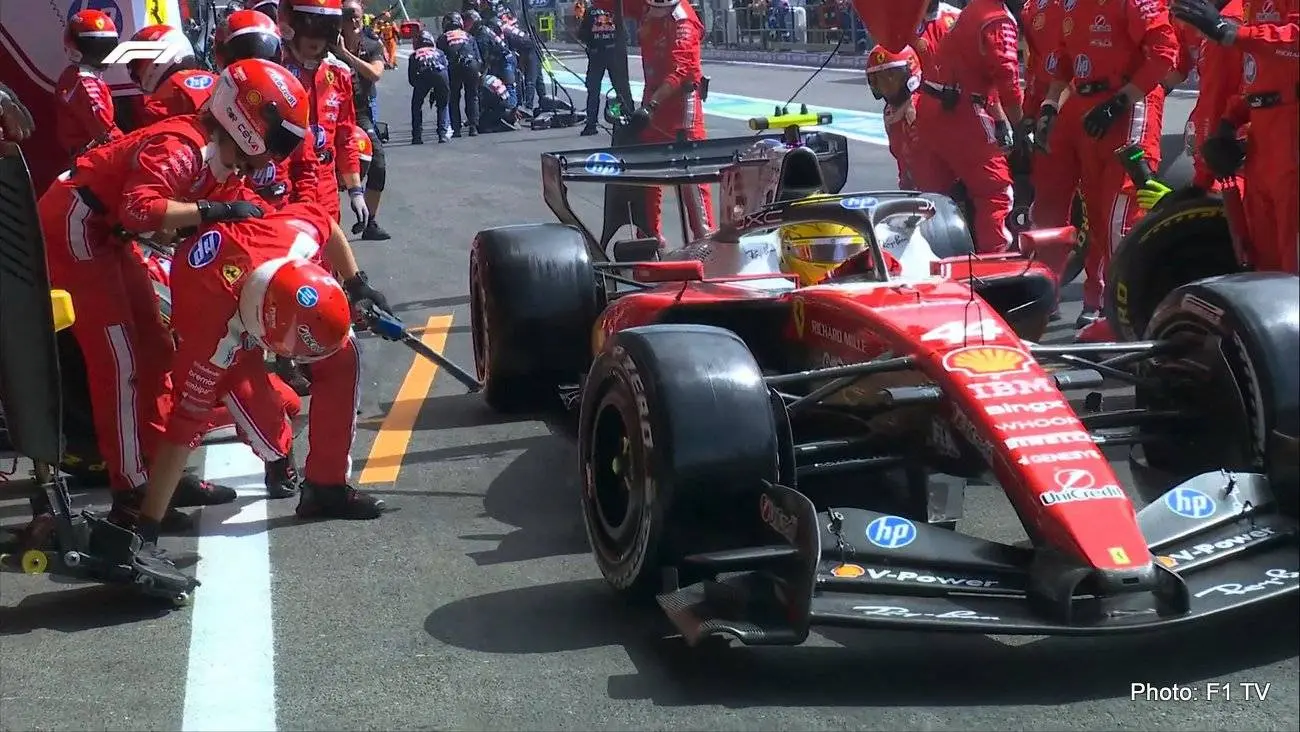
Crews can change four tyres in less than two seconds during a pit stop. One such pattern of dopamine responses, linked to uncertainty and anticipation, is a frequent target of neuroscientists in their study of high-speed competition. This is always being provided by Motorsport:
- late safety cars
- risky overtakes
- tyre strategy gambles
Every unpredictable call changes the emotional rhythm of the race, which may explain why so many motorsport audiences are naturally drawn toward casino entertainment built around suspense and instant feedback loops.
Where digital risk starts feeling familiar
The leap towards interactive digital entertainment like gambling sites doesn't appear so crazy after a pair of races last weekend, beset by strategy mayhem, red flags, and last-lap drama. In that larger universe of reactions, platforms like Duel casino seem to emerge organically, especially from amongst younger audiences already steeped in the culture of predictions, the mechanics of games, and quick decision-making.
There is a better behavioural link. Motorsport audiences already think in probabilities without always noticing it. Safety car timing, undercut chances, weather risks, tyre degradation — every lap becomes a small prediction exercise. The odds, probabilities, momentum shifts and risk/reward aspects are something that motorsport fans are already used to computing as they watch races.
Motorsport has quietly become a data obsession
In the early 2000s, the casual audience primarily tracked events of the races and drivers' scores. Today? During practice sessions, fans critique the sector times and discuss and debate window undercutting like amateur strategists.
Part of this change is because racing data is now readily available. Nowadays, teams are broadcasting telemetry-style graphics, and fan-made analytics pages provide anything from brake temperature to tire wear predictions. Some of the numbers are surprising on the way to change:
- Modern F1 cars generate over 1 million data points per second during a race weekend
- Some teams employ more software engineers than mechanics
- Simulators used by drivers can cost several million dollars annually
- Average fan engagement during live races has increased sharply through second-screen viewing habits
A large percentage of the viewers are no longer passive consumers of races. Many fans now experience race weekends almost like interactive sessions, switching constantly between statistics, live reactions, predictions, and second-screen engagement. They multitask all the time – from following feeds on board, posting in communities, using real-time timing apps, or making real-time strategic predictions.
The Netflix effect was only part of the story
Short attention spans? The clips and radio features were used to adapt F1. Competitive tribalism? This was something that teams already had in place. Endless statistics? They were the first to be invented by motorsport. More digitally native.
Easier and smoother transitions between different types of entertainment. The same audience that enjoys race simulations and fantasy leagues is often comfortable with other fast-paced digital formats like casino games built around timing, volatility, and decision-making pressure.
That sometimes includes sim racing. Sometimes fantasy leagues. Sometimes, prediction-based platforms. The 'transitions' are awkwardly smooth as the sense of 'tension under pressure' is the same throughout.
Speed is no longer just mechanical
Today's Formula 1 broadcasts are incredibly cognitively fast — graphics are constantly updating as the race progresses, radio commentary is being interspersed throughout the race, and strategy is changing from corner to corner.
All of them are absorbed at the same time by the fan. Whereas in many sports, it is a technological sport of the past, Formula 1 was from the beginning a technological sport. It's a reward for optimisation, adaptation, reaction time and calculated aggression.
That combination mirrors the psychology behind many modern online gambling environments, where split-second judgment and risk tolerance shape the entire experience. The same characteristics permeate most of contemporary digital entertainment, as well.
Why the motorsport audience keeps expanding
It was once that F1 seemed like a distant world. Expensive. Corporate. Distant. The sport is now a kind of personal. TikTok is a platform for fans to follow mechanics. Engineers' explanation of aerodynamics on YouTube.
After the races, drivers play online games. No longer was the paddock untouchable; it became a community that was "always-on". That's an issue since in the modern era, people rarely draw hard lines between entertainment genres.
They all come together in racing, gaming, gambling, streaming, prediction, and social interaction. They all come together in racing, gaming, streaming, prediction culture, competitive online environments, and real-time digital interaction. But maybe that's the true history of the modern development of Formula 1.
Not only faster cars and larger budgets, but a new type of audience psychology, one that is constantly stimulated and engaged in the digital realm.
Latest News
Loading