Connection Between Motorsport Fans And High-Speed Digital Entertainment
Special FeatureTuesday, 19 May 2026 at 01:48
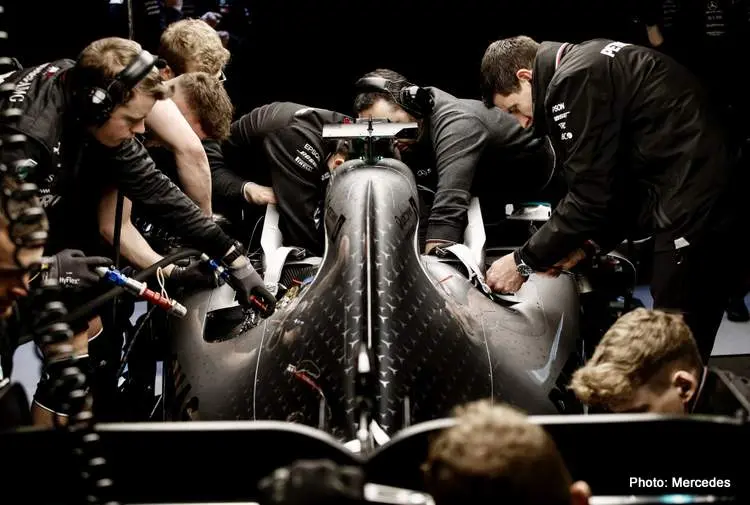
I’m not sure why motorsport fans don't call races "relaxing. Even on the quiet laps, there's always something going on: Fuel loads are changing, tire temps are shifting, and weather conditions change from one corner of the track to another.
A Formula 1 pilot may be disqualified due to just a millimetre too late braking at 300 km/h. It's this kind of intensity that alters the entire entertainment consumption experience.
Neuroscience research from various universities, including the University of California, has found that rapid visual images boost the body's adrenaline and focus for a brief time. Live telemetry. Split-second replays.
Radio drama. Instant strategy updates. That attitude translates to online entertainment, too. Fast-paced casino games, live betting environments, and reaction-based digital platforms tap into a very similar emotional rhythm. Motorsport fans are already used to tension, timing, and split-second outcomes.
The rise of high-speed interactive platforms
Many modern gaming and casino platforms now mirror the structure of motorsport itself. Whether it's a streaming app or a competitive game, these dynamics are what drive everything, and these are fast interfaces, fast feedback systems, and short reward cycles.
That formula is especially visible in live casino environments and fast-turn digital games, where anticipation and instant feedback keep users mentally engaged in much the same way as qualifying laps or pit-stop windows do during a race weekend.
That's part of the reason why many racing fans tend to gravitate to digital environments where speed and rapid response reign supreme.
Platforms connected to esports, simulation racing, arcade mechanics, and even Play n go casinos often rely on the same psychological trigger: anticipation followed by immediate payoff. In both motorsport and digital gaming, timing matters almost as much as luck. One delayed move can completely change the outcome.
The brain loves fast decisions
Every motorsport fan is familiar with this:
- Successful attempts to overtake that are still in progress, which are taking seconds to unfold.
- Demonstrates the ability to spot crashes that are coming without warning.
- No need to wait for the races to grow and hatch, just instantly change them.
- Faster than the usual human reaction time limits of drivers.
The reaction time of a pro-F1 racer is about 200 milliseconds. The average reaction time of humans is around 250–300 milliseconds. Very large gap between Asphalt values. Brief interactions lead to better retention of the emotion than do longer formats.
That is one reason why fast casino mechanics, live game interfaces, and real-time reward systems feel naturally familiar to audiences raised on racing culture. That's why people already wired for quick sensory input find endless scrolling feeds so addictive, live multiplayer systems so addictive, and real-time digital competitions so addictive. Yes, sometimes too addictive!
Racing simulators changed everything
Racing simulators were at an early stage 10 years ago. Today, whole careers commence there. People often still can't believe the story of Jann Mardenborough. After winning a GT Academy held with the support of Nissan and Sony Interactive Entertainment, he entered real racing. It's now almost back to normal.
Simulators are used by the professional teams every day in motorsports. Drivers commit circuits to memory before coming to the actual circuits. As much as 10 times more simulator time than track time is reportedly spent by some Formula E teams in a season.
Watching became participating
Racing is no longer a passive experience for motorsport fans. They simulate races at home with force feedback steering systems that can produce even the smallest vibrations of loss of tire grip. There are some advanced setups that cost more than used cars.
Since 2020, the global sim racing market has been expanding and accelerating, as the pandemic period has made sports fans turn to online platforms. During that time, motorsport-related content was consumed “significantly” more on streaming platforms, reported the streams. It's also a more emotional aspect; motorsport fans love systems.
Data. Precision. Tiny margins. Exactly, these are the elements of digital entertainment. Casino-style platforms especially borrow from that structure: data-rich interfaces, rapid decisions, visual intensity, and the constant feeling that something important may happen in the next few seconds.
Why the emotional overlap feels so natural
Motorsport has always been about the element of risk, but it's one that is controlled. Machines are being used by humans to cross their comfort zones a little bit. Audiences are looking for emotional moments without the risk of being hurt by the show.
This is the same with digital entertainment. Online systems are fast-paced and generate micro uncertainties and rewards. It's clearly less stakes, but the emotional structure is still there: anticipation, reaction, resolution.
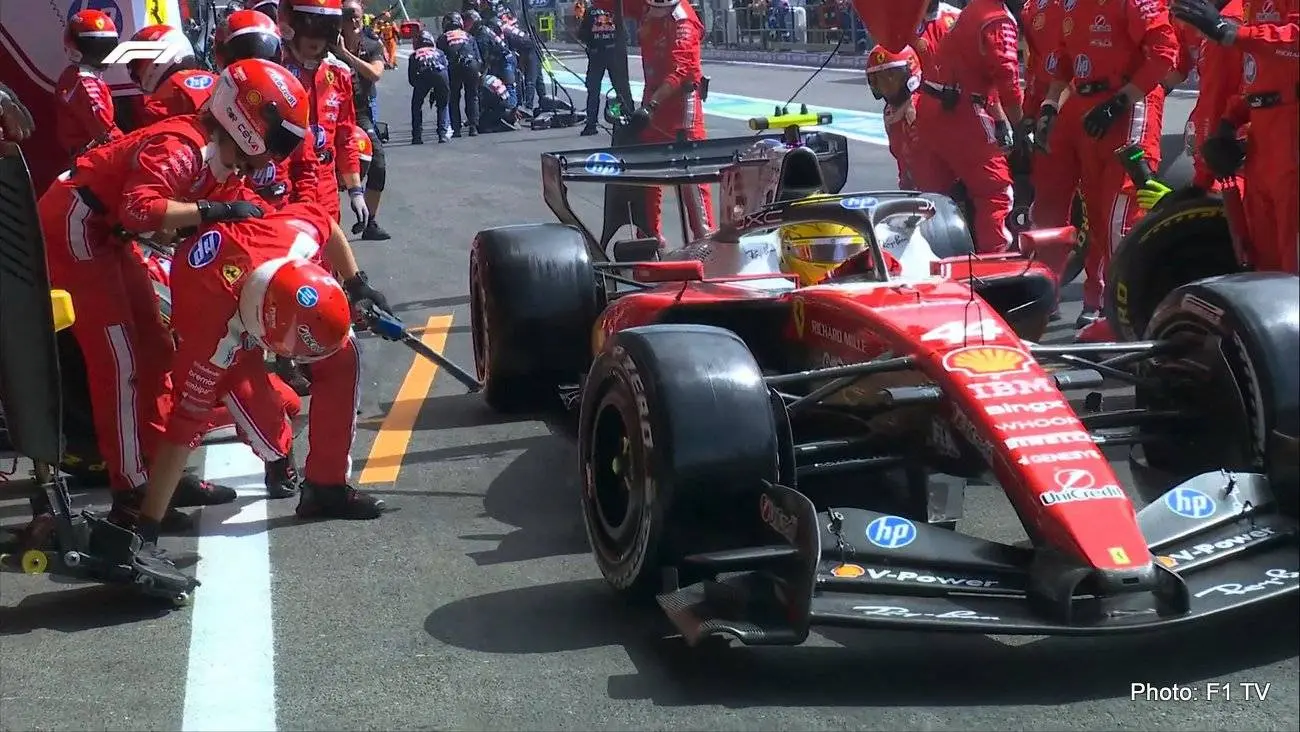
The type of fans that watch pit crews change tires in sub-two seconds tend to like digital things, with momentum and immediacy. Not because they're the same, but because they're both places where attention, speed, and emotions are rewarded.
And, in truth, the world appears to be moving in this direction these days. Faster updates. Faster reactions. Faster entertainment. Perhaps that's a culture that motorsport didn't bring about. However, it was aware of its popularity even before other industries.
Latest News
Loading