What’s Behind the Performance Gap Between Formula 1 Teams in 2026?
F1 NewsFriday, 08 May 2026 at 01:42
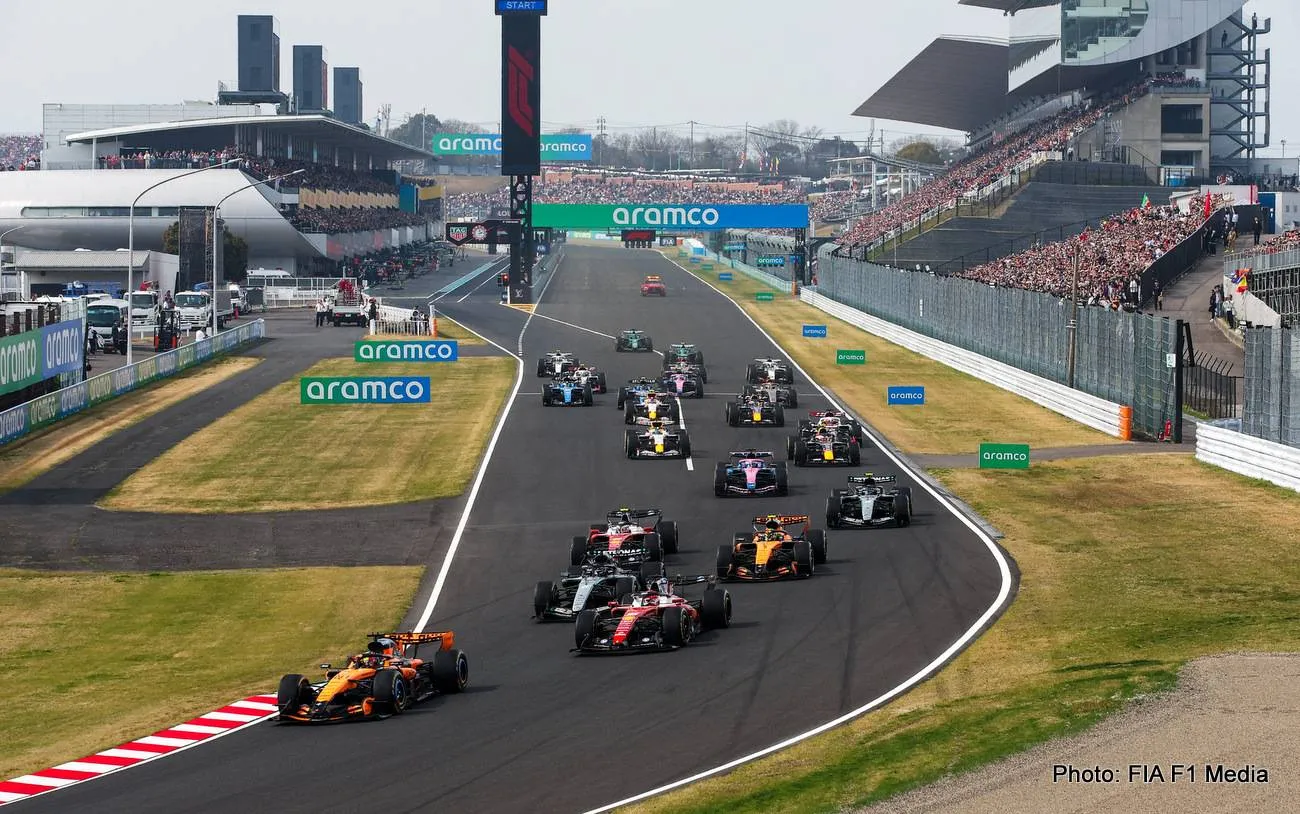
The 2026 Formula 1 season has already revealed major differences between teams despite sweeping regulation changes designed to tighten competition.
Some teams adapted quickly to the new technical era, while others continue struggling with balance issues, inconsistent pace, and operational mistakes.
Modern Formula 1 analysis now extends far beyond race broadcasts. Fans spend hours reviewing telemetry graphics, tire strategies, qualifying simulations, poker streams, roulette discussions, slot tournaments, and racing debates on entertainment platforms like betsamuro casino.
The performance gap across the grid does not come from one single factor. Aerodynamics, tire management, simulator accuracy, pit strategy, reliability, driver confidence, and engineering structure all contribute to competitive differences.
The 2026 regulations changed development priorities
The new technical rules forced teams to redesign major parts of their cars.
Important areas include:
- Power unit integration
- Aerodynamic efficiency
- Energy recovery systems
- Weight distribution
Some teams interpreted the regulations more effectively from the beginning.
Others continue correcting fundamental design weaknesses after the opening races.
Aerodynamic balance remains the biggest factor
Aerodynamics still determine most of a Formula 1 car’s performance.
The strongest teams currently manage:
| Aerodynamic Strength | Competitive Benefit |
| Stable rear balance | Better tire preservation |
| Efficient airflow | Higher straight-line speed |
| Strong corner stability | Faster lap consistency |
| Reduced drag | Improved overtaking ability |
Even small aerodynamic gains can create major lap-time differences.
Tire management separates top teams
The fastest car over one lap does not always win races.
Several teams struggle heavily with:
- Tire overheating
- Surface degradation
- Rear tire wear
- Inconsistent long-run pace
The strongest teams maintain stable tire temperatures across entire race stints.
This advantage becomes especially important during hot-weather races.
Simulator accuracy affects real-world performance
Modern Formula 1 teams depend heavily on simulation systems.
Teams with stronger simulator correlation usually develop cars faster because they:
- Predict setup changes accurately
- Understand tire behavior better
- Prepare upgrades more efficiently
- Reduce trackside experimentation
Poor simulator data often creates confusing race weekends and slower progress.
Some teams still struggle with porpoising
Despite years of adjustments, aerodynamic bouncing remains an issue for several cars.
Porpoising affects:
| Problem Area | On-Track Consequence |
| Driver confidence | Slower corner entry |
| Tire stability | Increased degradation |
| Ride consistency | Reduced balance |
| Straight-line efficiency | Higher drag |
Teams that solved bouncing earlier gained a major long-term advantage.
Power unit efficiency still matters heavily
The 2026 engine regulations increased focus on hybrid efficiency.
Strong power units now deliver:
- Better acceleration
- Improved energy recovery
- More flexible deployment
- Higher efficiency across race distance
Some teams remain competitive aerodynamically but lose time because of weaker energy systems.
Development speed creates separation
Formula 1 performance rarely stays static during a season.
The best organizations improve through:
- Faster upgrade production
- Stronger factory coordination
- Better data analysis
- More effective testing simulations
Several midfield teams started the season strongly but failed to maintain development pace.
This pattern appears repeatedly across modern Formula 1.
Driver confidence changes performance significantly
Modern Formula 1 cars require precise confidence from drivers.
A driver struggling with balance issues may lose time through:
| Driver Difficulty | Result |
| Late braking hesitation | Slower corner entry |
| Rear instability | Reduced throttle confidence |
| Tire uncertainty | Conservative race pace |
| Poor visibility in traffic | Overtaking difficulty |
Confidence problems often appear subtle but heavily affect lap time.
Operational mistakes continue costing points
Fast cars alone do not guarantee results.
Several teams already lost major points because of:
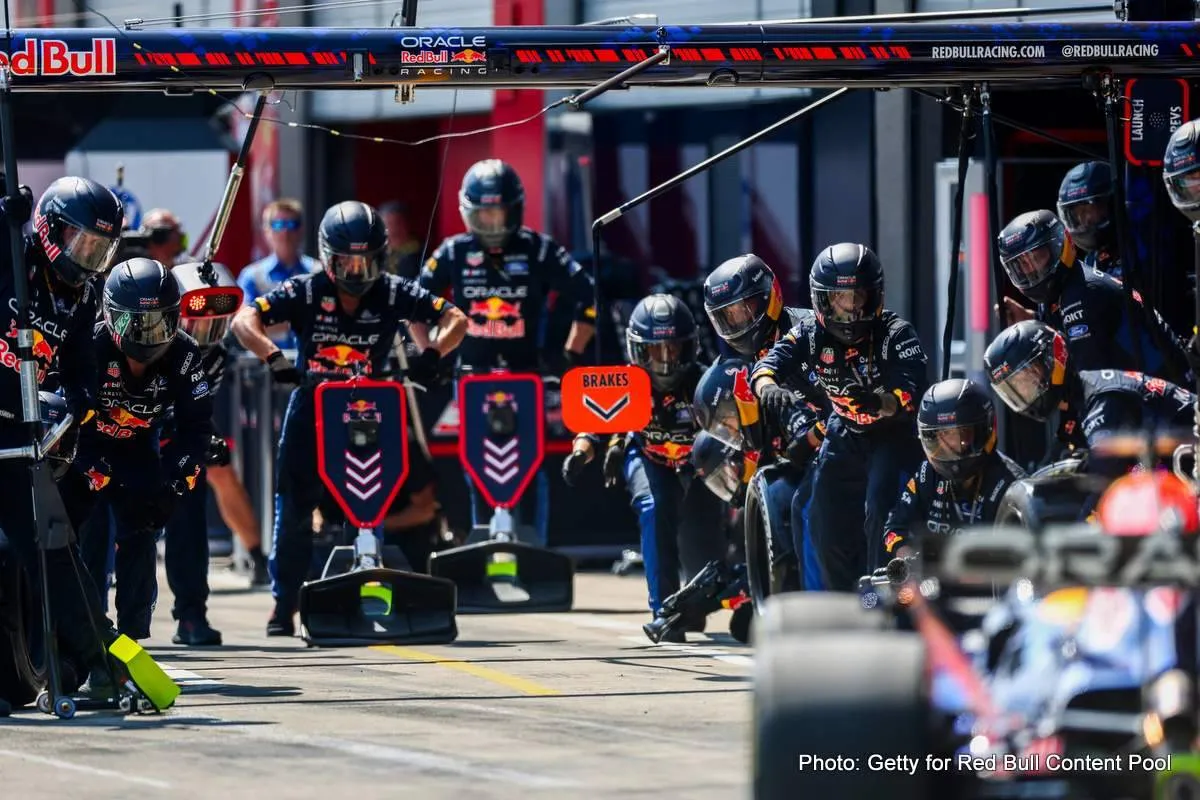
- Slow pit stops
- Poor tire timing
- Incorrect strategy calls
- Communication errors
Operational efficiency remains one of the clearest differences between top teams and midfield organizations.
Wind tunnel limitations affect progress
The budget cap era changed development methods significantly.
Teams now manage:
| Development Restriction | Competitive Effect |
| Wind tunnel limits | Slower experimentation |
| CFD restrictions | Reduced testing flexibility |
| Budget limitations | Smaller upgrade cycles |
| Staffing pressure | Development delays |
Efficient resource allocation matters more than ever before.
Some cars perform better on specific circuits
The 2026 grid shows major track-to-track variation.
Certain cars work best at:
- High-speed circuits
- Street tracks
- Tire-limited layouts
- Technical sectors
This inconsistency explains why some teams appear competitive one weekend and struggle badly the next.
Versatility remains extremely valuable.
Cooling efficiency influences race pace
Modern Formula 1 cars generate enormous heat loads.
Cooling problems impact:
- Tire temperatures
- Brake performance
- Power unit reliability
- Aerodynamic efficiency
Teams balancing cooling and aerodynamic performance effectively gain major race advantages.
Reliability remains inconsistent
Several teams continue suffering technical failures during races.
The most common problems include:
| Technical Issue | Performance Consequence |
| Battery failures | Reduced deployment |
| Hydraulic problems | Race retirements |
| Cooling breakdowns | Engine protection modes |
| Sensor malfunctions | Data instability |
Reliability remains especially difficult during the first year of major regulation changes.
Team structure affects development quality
Engineering organization strongly influences competitiveness.
Top-performing teams usually show:
- Stable technical leadership
- Clear development direction
- Efficient communication
- Strong race-weekend preparation
Frequent leadership changes often slow technical progress.
Several struggling teams continue searching for internal stability.
Weight distribution still creates challenges
Modern Formula 1 cars remain extremely sensitive to weight balance.
Incorrect weight distribution affects:
- Tire wear patterns
- Corner rotation
- Braking stability
- Traction performance
Even small adjustments can change driver confidence dramatically.
Pit strategy execution matters more than before
Strategy differences increasingly separate teams during races.
Strong strategy departments react quickly to:
| Race Situation | Strategic Response |
| Safety car timing | Immediate adaptation |
| Tire degradation changes | Flexible pit windows |
| Weather variation | Risk management |
| Traffic positioning | Overtake planning |
One poor strategic call can erase an entire weekend of preparation.
Driver pairings influence team development
Strong teammate combinations improve development speed.
Teams benefit when drivers:
- Provide consistent technical feedback
- Adapt quickly to upgrades
- Work collaboratively
- Push similar setup directions
Conflicting feedback often slows development progress significantly.
Midfield competition remains extremely tight
The midfield battle in 2026 appears especially close.
Small differences decide positions because many teams operate within:
- Similar budget limits
- Comparable aerodynamic concepts
- Narrow qualifying margins
- Similar tire strategies
A few tenths per lap can completely reshape standings.
Weather adaptability separates stronger teams
Changing conditions continue exposing weaknesses quickly.
Teams handling weather variation effectively usually manage:
| Weather Factor | Competitive Advantage |
| Tire warm-up | Faster early laps |
| Wet-weather stability | Reduced mistakes |
| Setup flexibility | Consistent balance |
| Strategy adaptability | Better race control |
Unstable cars become especially difficult to manage during mixed conditions.
The gap may shrink later in the season
The opening races do not always reflect final championship balance.
Several teams still plan:
- Major aerodynamic upgrades
- Suspension revisions
- Weight reduction programs
- Cooling improvements
Performance order may shift significantly after mid-season development packages arrive.
The performance gap between Formula 1 teams in 2026 comes from a combination of technical efficiency, aerodynamic balance, tire management, operational quality, driver confidence, and development speed.
The new regulations created opportunities for some teams while exposing weaknesses in others. Aerodynamics, simulator correlation, reliability, and strategic execution currently separate the strongest organizations from the midfield and lower grid.
As teams continue improving their cars throughout the season, the competitive order may still change. However, the opening races already show that small technical differences remain enough to create major performance gaps in modern Formula 1.
Latest News
Loading