Formula 1 2026 Title Race: Who Has the Edge After the Early Rounds?
F1 NewsFriday, 08 May 2026 at 01:54

The opening phase of the 2026 Formula 1 season already suggests a long and unpredictable championship fight.
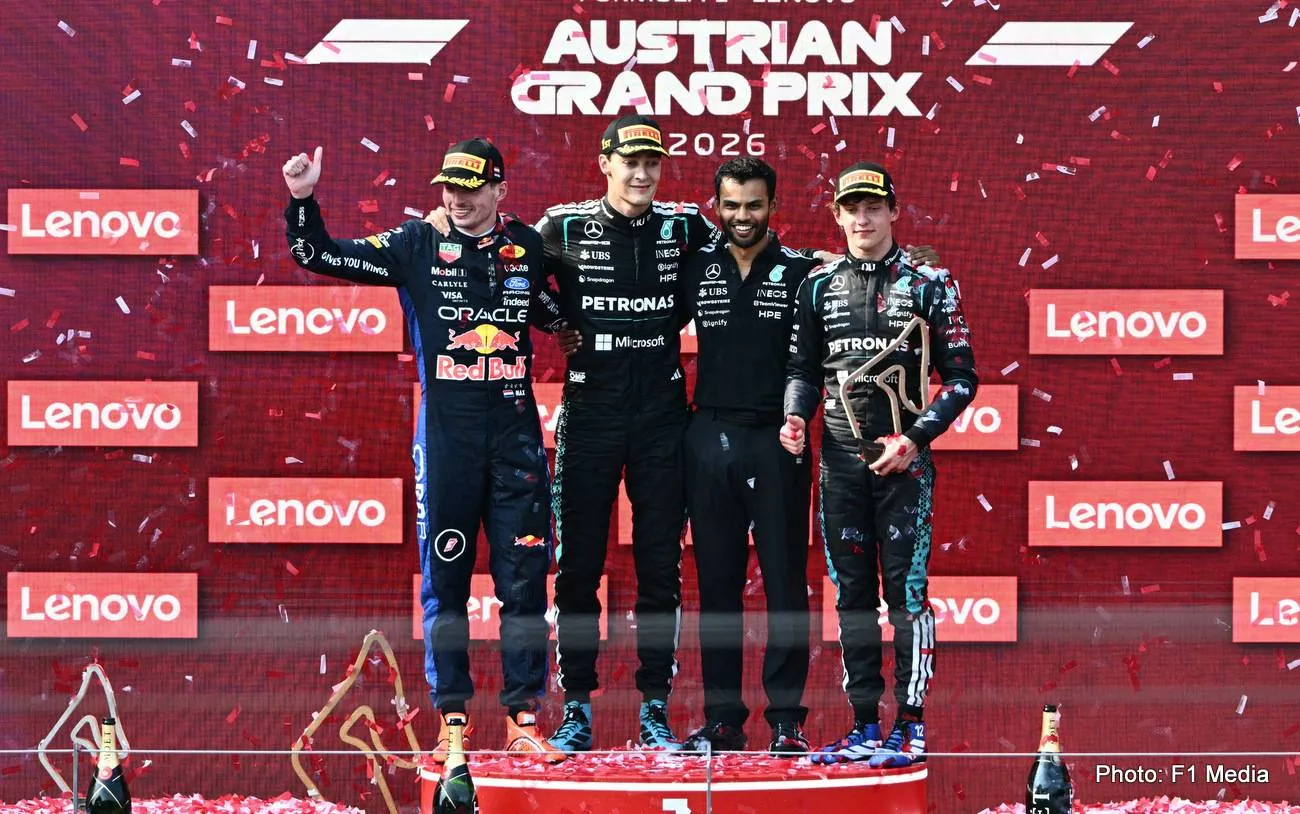
The first races delivered major swings in momentum, technical surprises, aggressive strategy calls, and several unexpected podium finishes. No single team has fully controlled the championship so far, which keeps the title race wide open.
Modern Formula 1 culture now extends far beyond race weekends. Fans spend hours discussing qualifying pace, tire strategy, driver contracts, poker streams, roulette tables, slot tournaments, and race predictions on entertainment platforms like fortuzino casino.
The early rounds revealed one important trend immediately: consistency may matter more than outright speed during the 2026 season.
The new regulations changed competitive balance
The 2026 technical regulations already reshaped the grid significantly.
Several teams adapted quickly, while others continue struggling with:
- Aerodynamic balance
- Tire degradation
- Energy deployment systems
- Straight-line efficiency
Some cars appear extremely fast over one lap but lose performance during longer race stints.
This inconsistency has already influenced championship standings.
Qualifying pace does not always match race performance
One major theme during the opening races involves the difference between qualifying and race pace.
Several teams showed:
| Performance Area | Current Pattern |
| Qualifying speed | Strong but inconsistent |
| Tire management | Major performance factor |
| Race strategy execution | Highly influential |
| Wet-weather adaptability | Unpredictable results |
Pole position still matters, but race management now plays a bigger role than before.
Tire degradation continues shaping results
Tire management already appears central to the championship fight.
Drivers who protect tires effectively gain advantages through:
- Longer opening stints
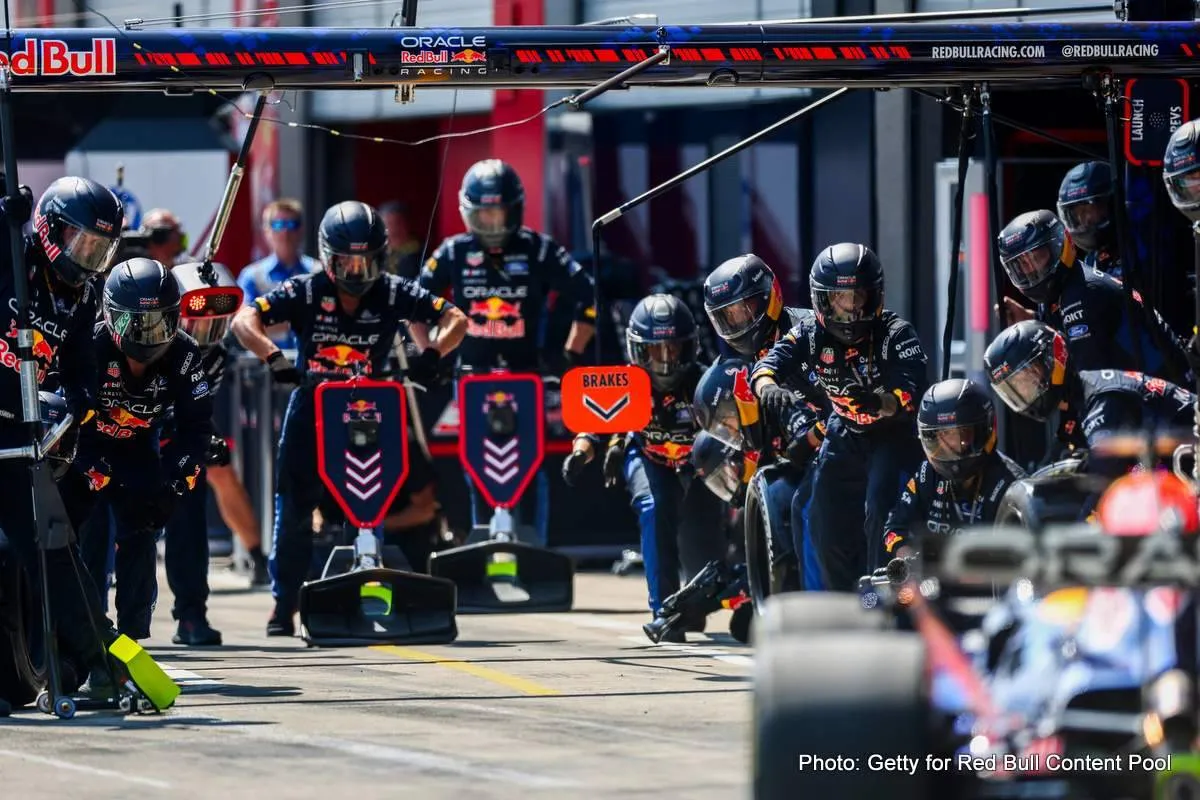
- Flexible pit strategy
- Better late-race pace
- Reduced overheating problems
Several aggressive drivers lost strong positions because of excessive tire wear during the final laps.
Midfield teams are closing the gap
The performance difference between the front and midfield appears smaller this year.
Several midfield teams regularly challenge for:
- Top-six finishes
- Front-row qualifying positions
- Podiums during chaotic races
This pressure creates problems for championship contenders because clean weekends are becoming harder to secure.
One poor qualifying session can completely damage race strategy.
Driver consistency may decide the title
The early standings suggest consistency could matter more than outright dominance.
Important qualities now include:
| Driver Strength | Championship Impact |
| Tire preservation | Strong points accumulation |
| Wet-weather control | Critical during mixed races |
| Qualifying discipline | Reduced mistakes |
| Overtaking patience | Better race outcomes |
Several drivers already lost valuable points through unnecessary risks.
Reliability remains unpredictable
The new technical era still creates mechanical uncertainty.
Common issues include:
- Power unit overheating
- Battery management failures
- Brake cooling problems
- Electrical system instability
Some teams appear fast enough to fight for victories but continue losing points because of technical failures.
Reliability may become one of the biggest championship factors later in the season.
Pit strategy is becoming more aggressive
Teams are taking greater strategic risks in 2026.
Recent races already included:
- Early undercuts
- Unexpected tire compounds
- Delayed pit stops
- Split team strategies
Several victories came directly from pit wall decisions rather than raw pace alone.
This trend increases pressure on race engineers.
Wet-weather races changed momentum quickly
Mixed conditions already created major championship swings.
Drivers who handled wet conditions effectively gained significant advantages.
Key differences became visible through:
| Wet-Weather Skill | Race Result |
| Smooth throttle control | Faster exits |
| Tire timing decisions | Large position gains |
| Visibility management | Fewer mistakes |
| Strategic patience | Better consistency |
One wet race can completely reshape championship standings early in the season.
Aerodynamic efficiency matters heavily
The 2026 regulations increased emphasis on aerodynamic stability.
Teams now focus strongly on:
- High-speed corner balance
- Drag reduction
- Airflow consistency
- Ride stability
Cars that perform well across different circuit types currently hold the strongest championship position.
Specialized setups struggle during back-to-back race weekends.
Driver pairings influence team performance
Strong teammate combinations are becoming increasingly important.
Teams benefit when both drivers:
- Score consistently
- Share setup feedback
- Support strategy execution
- Avoid internal conflict
Several constructors already lost points because one side of the garage underperformed heavily.
Sprint weekends continue creating pressure
Sprint formats remain controversial but influential.
Sprint weekends increase risk because they:
| Sprint Factor | Championship Effect |
| Reduced practice time | Setup uncertainty |
| Higher accident risk | Damage concerns |
| Extra tire usage | Strategy complications |
| Faster schedule pressure | Less recovery time |
Drivers must adapt extremely quickly during sprint weekends.
Overtaking remains circuit-dependent
Some tracks produced excellent racing, while others still limited overtaking opportunities.
Important factors include:
- DRS effectiveness
- Tire offset strategy
- Dirty air impact
- Straight-line speed differences
Certain circuits heavily reward qualifying position, while others allow more strategic variation.
Team development speed may decide the season
Early pace matters, but development rate often decides championships.
Teams are already preparing:
- Floor upgrades
- Suspension changes
- Cooling revisions
- Aerodynamic packages
Several teams intentionally sacrificed early performance to focus on long-term development.
This strategy could reshape the title fight later.
Younger drivers continue applying pressure
Several younger drivers are producing strong performances early in the season.
Many have impressed through:
| Young Driver Strength | Competitive Advantage |
| Aggressive overtaking | Position gains |
| Qualifying confidence | Better grid spots |
| Adaptability | Faster learning |
| Physical endurance | Consistent pace |
The generational shift inside Formula 1 continues accelerating.
Championship pressure affects decision-making
As the standings tighten, pressure increases quickly.
Drivers fighting for the title often become more cautious in:
- Wheel-to-wheel battles
- Tire strategy choices
- Wet-weather risks
- Overtaking attempts
One retirement can dramatically change championship momentum this early in the season.
Race weekends feel more unpredictable
The opening rounds already produced several unexpected outcomes.
Important reasons include:
- Weather variation
- Safety car timing
- Tire unpredictability
- Technical reliability issues
This unpredictability keeps fan interest extremely high.
No clear championship favorite has emerged yet.
Constructors' battle looks extremely close
The constructors' standings may become just as competitive as the drivers' championship.
Critical elements include:
| Constructors Factor | Importance |
| Two-car consistency | Massive points advantage |
| Pit stop execution | Race position control |
| Upgrade efficiency | Long-term competitiveness |
| Reliability | Championship stability |
One strong driver alone may not be enough to secure the team title.
Street circuits may change the standings
Upcoming street races could reshape championship momentum.
Street circuits increase pressure because they demand:
- Precision braking
- Strong traction
- Wall proximity control
- Tire temperature management
Mistakes become far more costly on narrow circuits with limited runoff areas.
The early leader may not stay ahead
Formula 1 seasons often change dramatically after the opening races.
Several factors still remain uncertain:
- Mid-season upgrades
- Reliability development
- Driver confidence swings
- Track-specific performance variation
The current standings only tell part of the story.
The stage is set for a thriller
The first phase of the 2026 Formula 1 season already delivered one of the closest championship battles in recent years. Multiple teams remain competitive, driver consistency matters heavily, and technical regulations continue reshaping performance across the grid.
Reliability, tire management, aerodynamic efficiency, and strategic execution currently appear just as important as outright speed. Several contenders have shown race-winning pace, but none have established full control of the championship.
If the early rounds accurately reflect the rest of the season, the 2026 title race may remain undecided until the final races of the calendar.
Latest News

Loading