The Highest-Paid Drivers in Formula 1 – Statistics from Bet365.
Formula 1 drivers’ earnings today run into
tens of millions of dollars, and success on the track is only part of their
income. Using Bet365UK
statistics, we’ll examine how drivers’ contracts are structured, who tops the
salary charts, and what role sponsors and personal branding play.
Formula 1 is a global commercial system in
which participants’ earnings reflect their value to teams, sponsors and the
audience. A driver’s main income comes from their contract with the team. The
base salary is a fixed amount that the driver receives for participating in the
championship throughout the season. Performance-related bonuses are often added
to this sum: championship points, race wins, and pole positions secured. These
payments can significantly alter the final income picture in favour of the most
successful drivers.
In addition to racing contracts, a significant
portion of income comes from personal sponsorship agreements and deals with
brands that use the driver’s image in advertising and marketing. This component
can be no less significant than the racing salary, particularly for the most
famous drivers.
The gap between the big teams and the
newcomers in this regard is clear. Teams that have long and consistently
competed for titles have large budgets and are prepared to pay drivers tens of
millions of dollars a year. Young drivers or those racing for less competitive
teams earn far less.
Top Drivers and Their Salaries
According to analysts and industry sources,
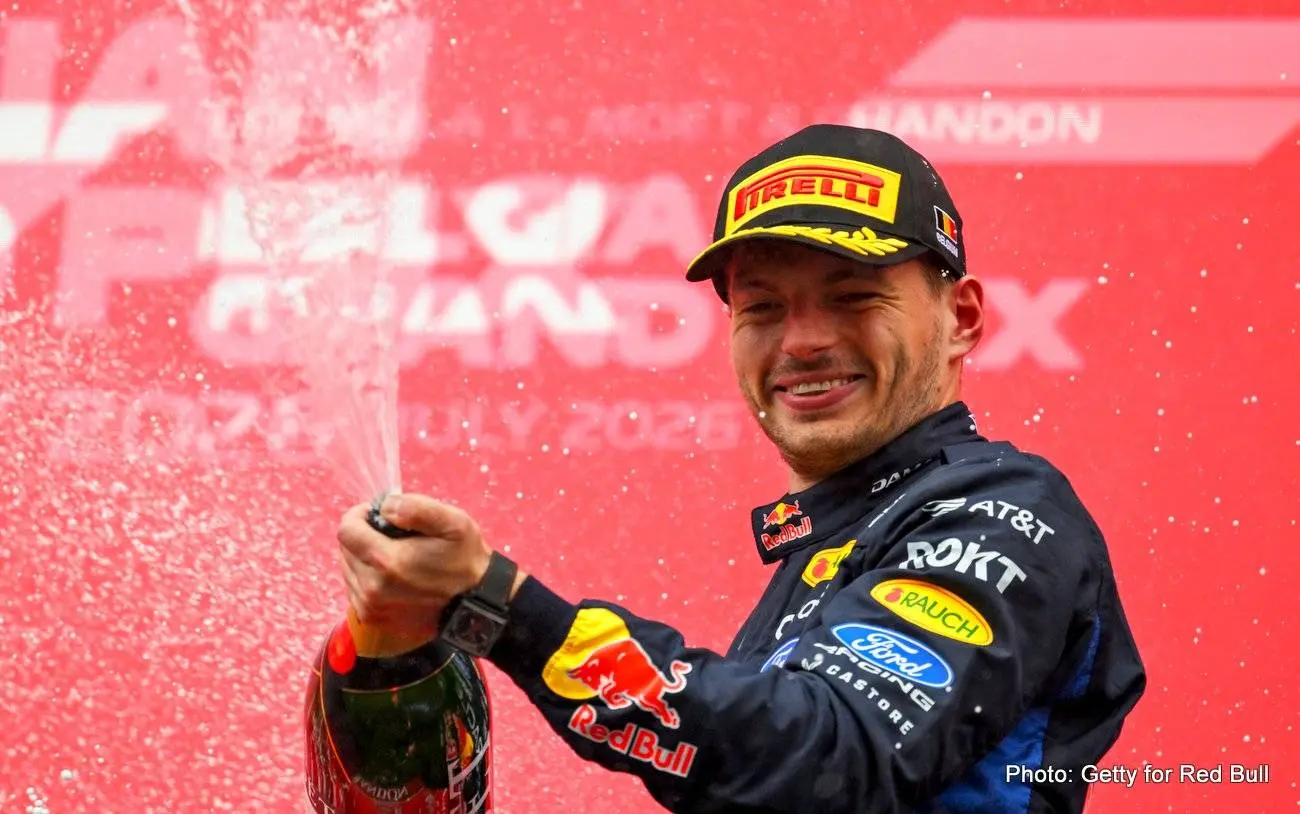
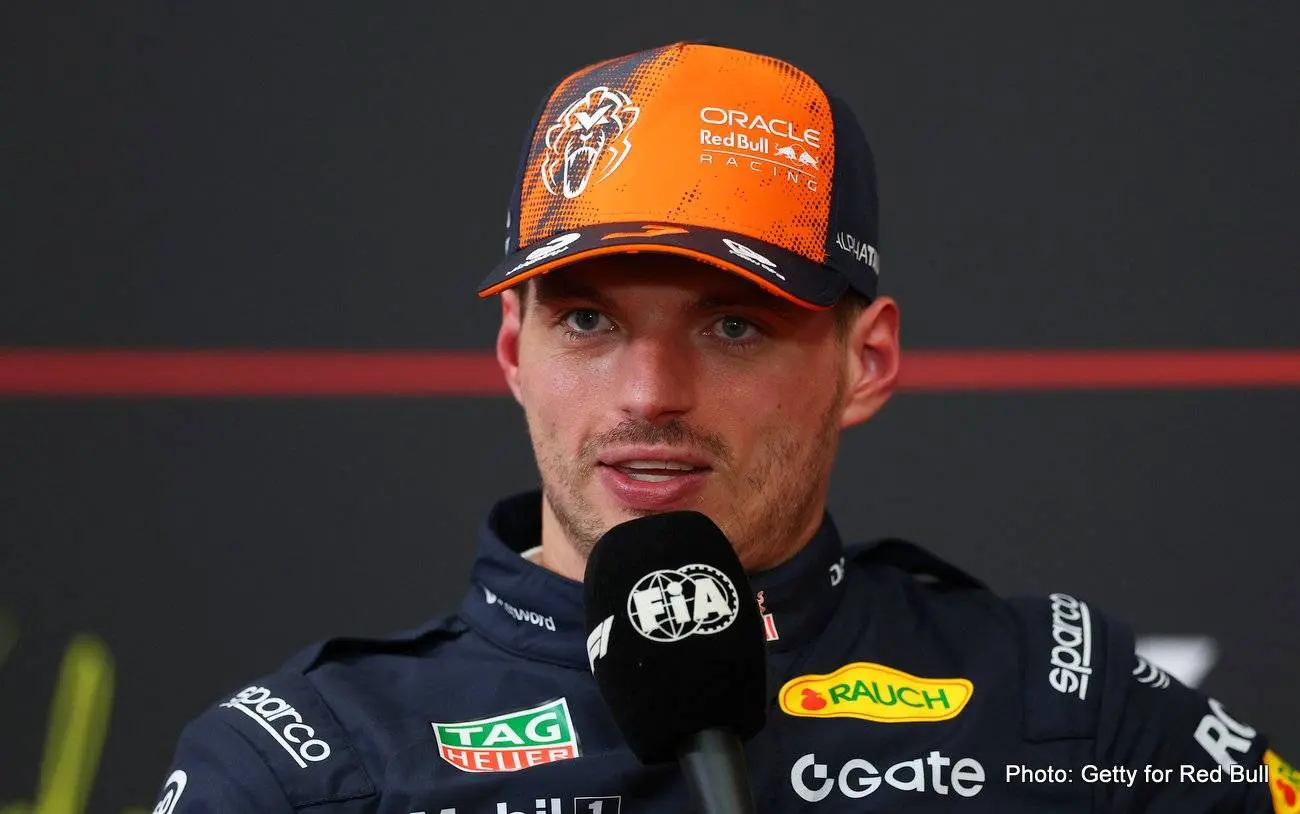
Max Verstappen remains the highest-paid driver for 2026. His contract with Red
Bull Racing brings in around $65–70 million in base salary annually, excluding
bonuses and sponsorship income. He is the dominant figure of recent seasons: a
multiple world champion, winner of dozens of races, and team leader, where his
results directly influence the team’s championship ambitions.
Lewis Hamilton is second in terms of earnings.
Having moved to Ferrari, he retained one of the highest contracts in the
current field, with a base salary of around $60 million in 2026. For Hamilton,
one of the most decorated drivers in the history of the sport, this reflects
not only his sporting status but also the commercial appeal of the brand he
represents.
Names such as Lando Norris, Charles Leclerc,
George Russell and Oscar Piastri often follow. Their contracts are also in the
multi-million dollar range, although they lag significantly behind the leading
pair. Salaries reflect not only current results but also their potential in the
eyes of the teams, strategic prospects and the ability to attract sponsors.
Sponsorship Deals and Personal Brands
For some drivers, sponsorship agreements and
their own personal brands have become equally important sources of income.
Formula 1 is not just about racing, but also a major media product where
drivers act as public figures. They take part in advertising campaigns, appear
in promotional materials and are active on social media.
For example, for Hamilton and Verstappen,
income from sponsorship deals can range from tens to hundreds of millions of
dollars over their careers, which is comparable to their racing contracts. Many
drivers sign deals with well-known brands in clothing, watches, cars, drinks
and other consumer categories. These contracts generate direct income and boost
a driver’s profile outside the racing world. Teams also benefit from the
popularity of their star drivers, as a driver’s recognition enhances the value of
sponsorship packages for the team as a whole.
Drivers’ personal brands also help to create
long-term sources of income. Many drivers invest in their own projects, launch
product lines or participate in media projects. Taken together, this creates
financial stability that can endure even after they retire from active
competition.
What Affects Earnings
Several factors determine a driver’s earnings.
Firstly, their success on the track. The better the results, the greater the
driver’s value to the team. Multiple victories, championship titles and leading
positions in races strengthen the driver’s negotiating position when signing
contracts. Furthermore, the following points are worth noting:
●
Media profile and marketing
appeal. A driver who generates significant audience interest increases their
commercial value to sponsors. In today’s climate, social media activity,
participation in promotional campaigns, name recognition and image influence
total earnings just as much as results on the track.
●
Team policy and contract
specifics. Some teams prefer to structure a significant portion of earnings as
performance-related bonuses, which motivates drivers to improve their
performance. Others, however, are prepared to offer a high fixed base salary,
thereby minimising risks for the driver. This reflects different approaches to
human resources management within the team’s strategy.
●
The driver’s age and experience
also matter. Young, talented drivers just breaking into Formula 1 receive
entry-level contracts with much lower sums than experienced champions. The main
task for rookies is to prove their potential and earn more favourable terms in
the future.
Salaries provide a clear illustration of how
trends in Formula 1 are changing. Just a few decades ago, drivers received much
more modest contracts, and sponsorship income was not nearly as significant.
The most successful drivers today earn tens of millions of dollars a year, but
the figures are only part of the story. Their earnings reflect their talent on
the track, media popularity and ability to build a career.
The gap between rookies and veterans
highlights just how much a driver’s value depends on experience, achievements
and recognition. In the coming years, the earnings structure is likely to
change as commercial interest in the sport grows and the personal brands of new
Formula 1 stars develop.

Latest News




Loading