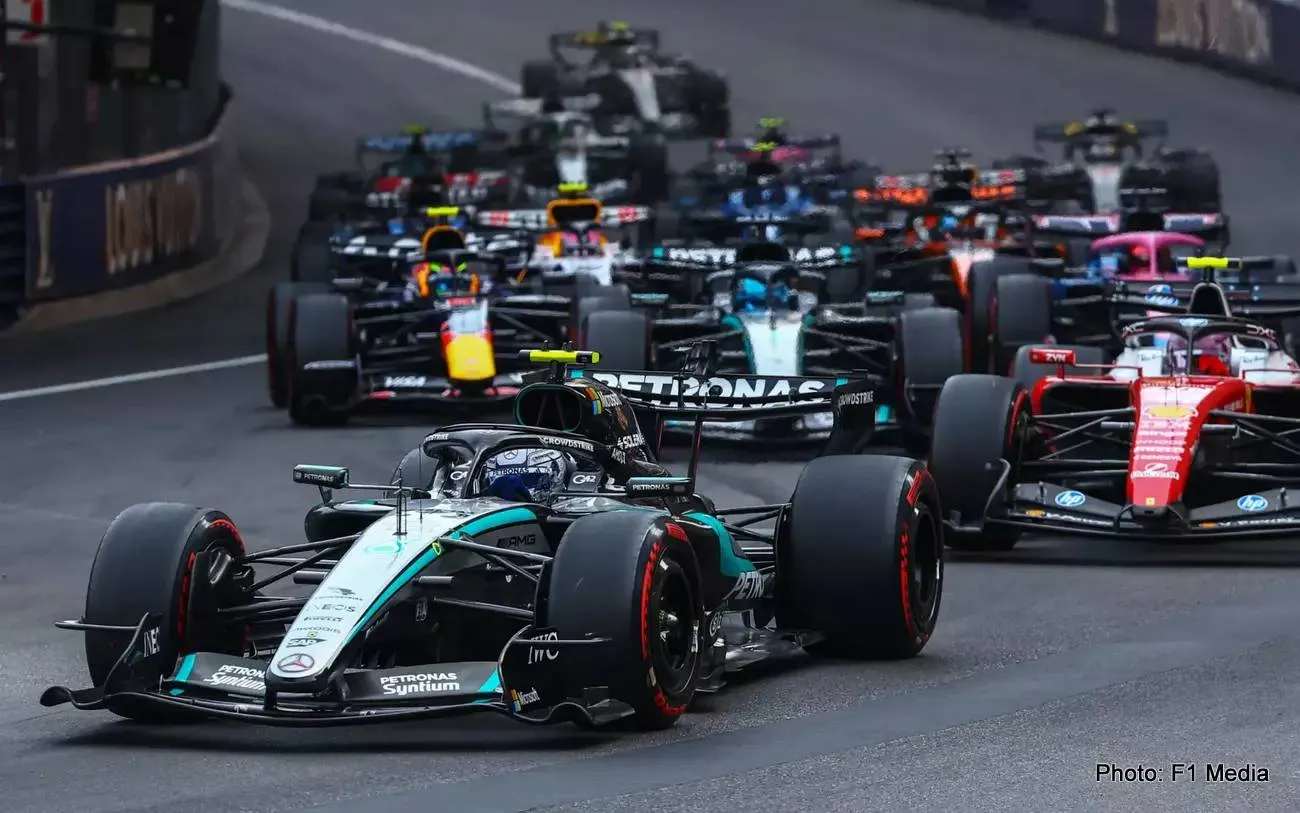
The 2026 Formula 1 season is unlike any in recent memory. New regulations completely reset the technical rules, introducing a 50/50 power split between the combustion engine and electric motor, lighter chassis, and active aerodynamics that change shape at different speeds.
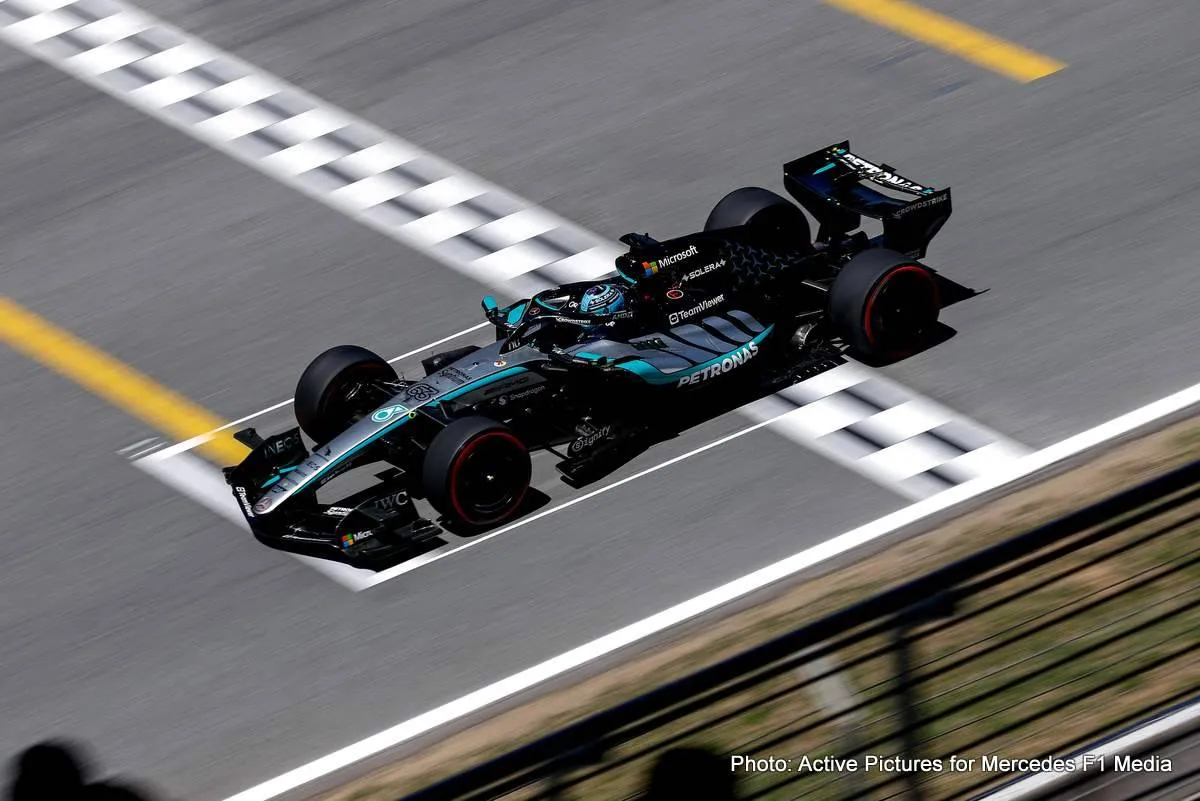
Five races in, Mercedes has won every race, with 19-year-old Kimi Antonelli leading the championship with 131 points.
For fans who follow the sport through betting platforms like bizbet as well as watching every race, understanding what changed technically and how those changes ripple through the betting markets makes the season significantly more interesting to follow.
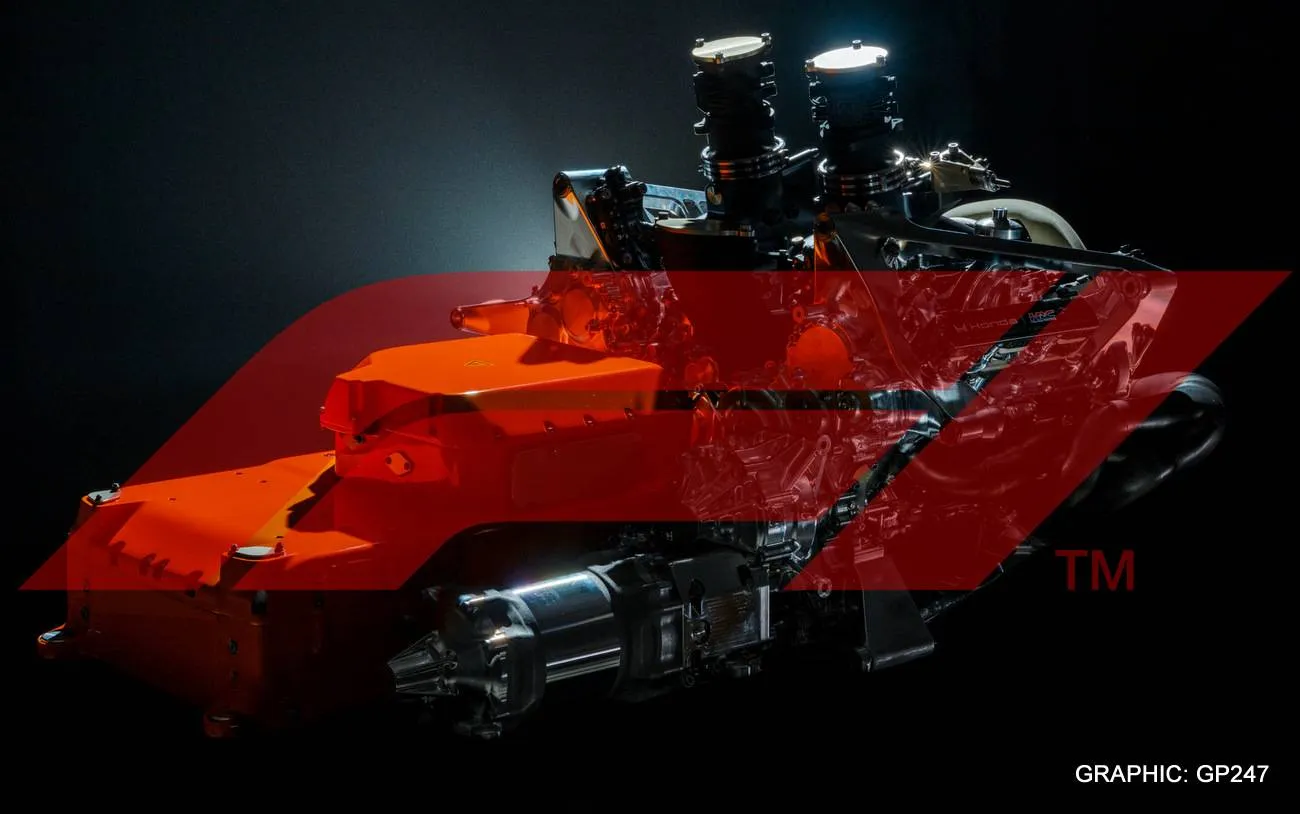
The 2026 rules are the most significant technical reset in Formula 1 since the hybrid era began in 2014. The power unit now splits output equally between the internal combustion engine and the electric motor, which changes how cars behave in different parts of a lap.
The combustion engine provides power through corners and on medium-speed sections, while the electric system provides a deployment burst on straights.
How the 2026 Regulations Changed Everything
For fans who use a betting app after completing the bizbet download process to follow live markets during a race, this matters because the electric deployment depletes at different rates depending on track layout, creating moments mid-race where cars are temporarily slower as they harvest energy back.
Active aerodynamics allow the car to change its wing angle during a lap, reducing drag on straights and increasing downforce through corners. This was designed to improve overtaking, but drivers and teams have had mixed views about how it works in practice.
The system creates a new variable in race strategy that did not exist before, and bookmakers have responded by widening their early-season odds across most markets rather than pricing teams too tightly before patterns emerged.
Five new power unit suppliers entered 2026, with Ford returning to the sport in partnership with one of the top teams, Honda supplying a works outfit as a full partner, and a new manufacturer entering with their own car for the first time.
The Championship After Five Races
The arrival of new manufacturers always creates uncertainty in performance, which is why the first few races of a new regulation era produce some of the most unpredictable results of any season.
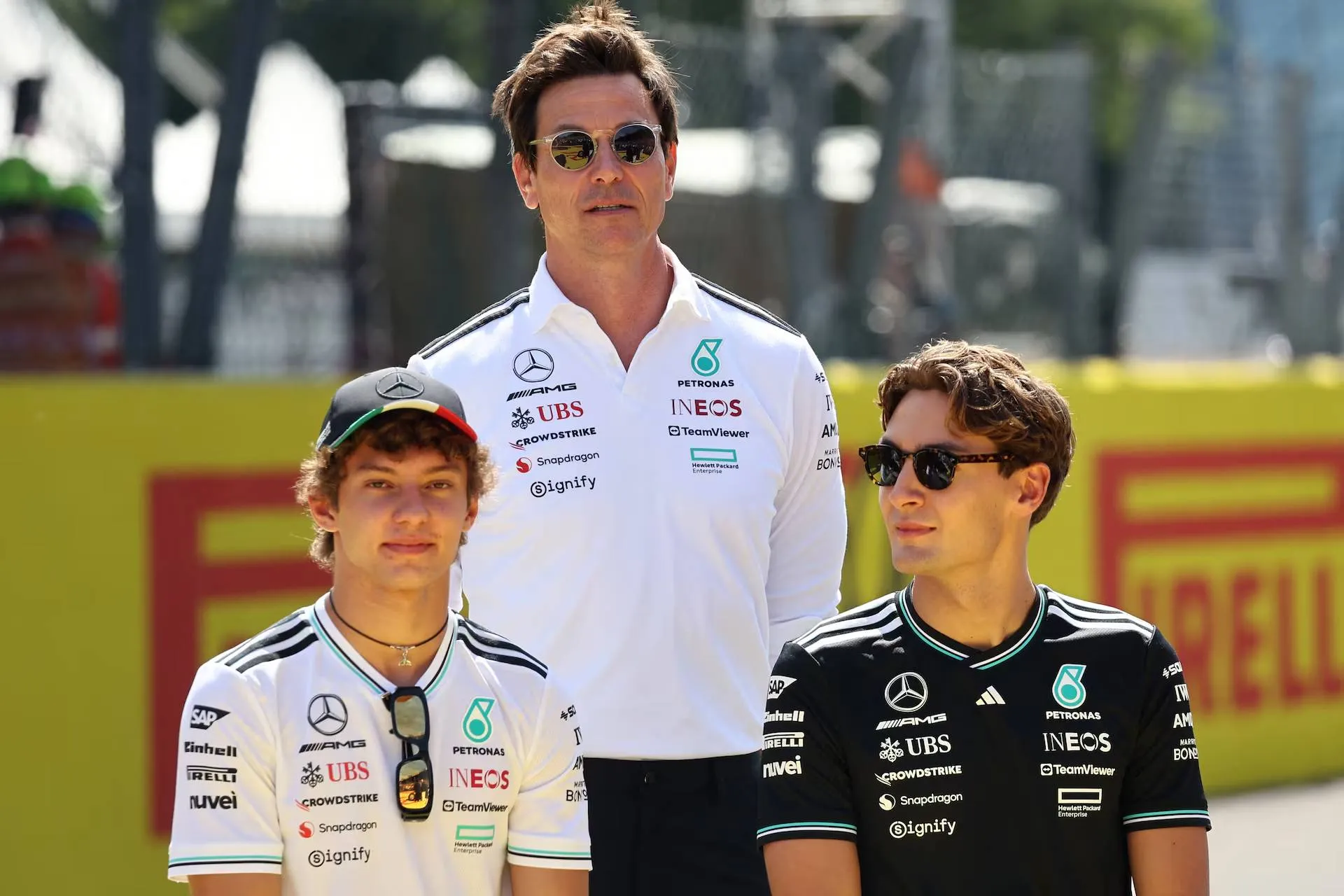
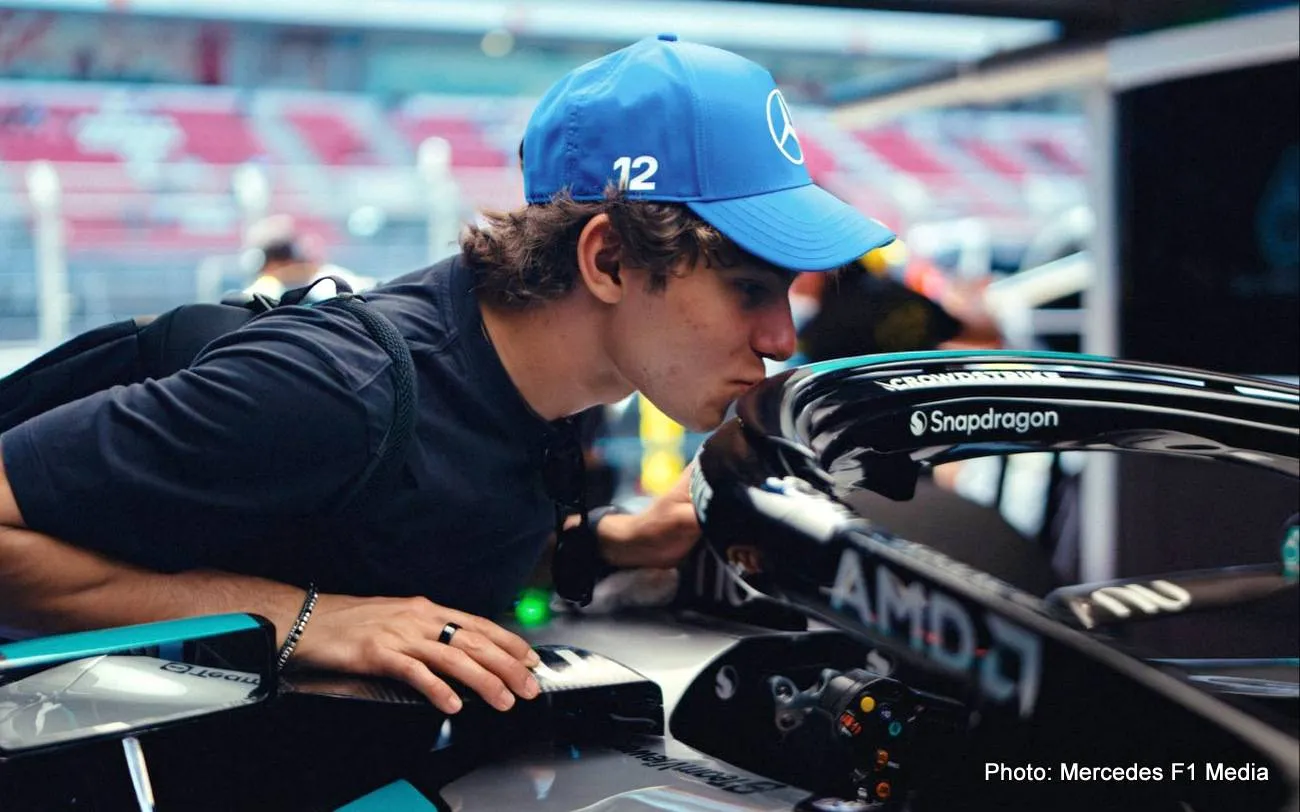
Mercedes has won all five races so far, with Kimi Antonelli taking four victories and George Russell winning the season opener. Antonelli leads the drivers' championship with 131 points, 43 ahead of Russell in second.
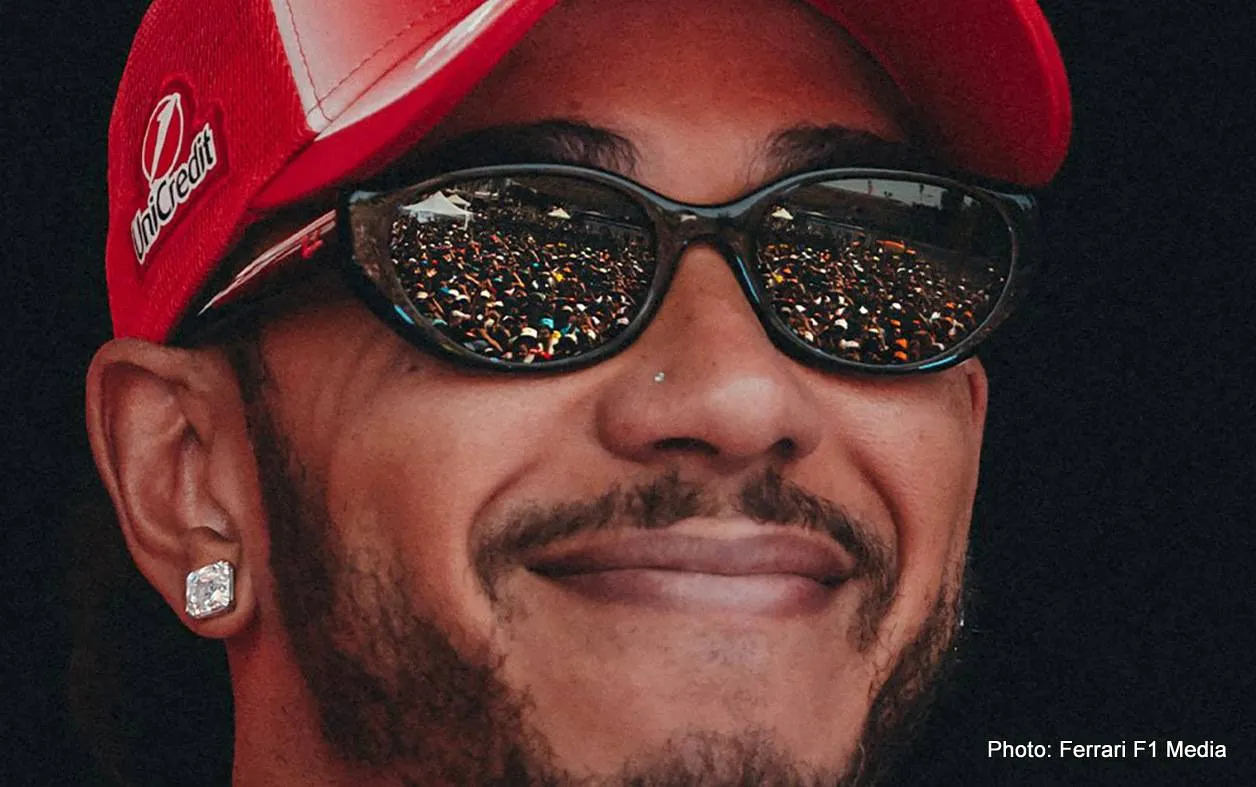
Ferrari's Charles Leclerc sits third on 75 points, with Lewis Hamilton fourth on 72. Max Verstappen, who won the 2022, 2023, and 2024 titles, has scored just 26 points through five races, reflecting how completely the new regulations reshuffled the competitive order.
The constructors' championship tells the same story. Mercedes leads with 219 points, more than double Ferrari's 147. McLaren and Red Bull are further back. The last time a team dominated this completely from the opening races was in the early hybrid era, when one team won 16 of the first 19 races of the new formula.
Here is the current top five in the drivers' championship after five rounds:
| Position | Driver | Team | Points |
| 1 | Kimi Antonelli | Mercedes | 131 |
| 2 | George Russell | Mercedes | 88 |
| 3 | Charles Leclerc | Ferrari | 75 |
| 4 | Lewis Hamilton | Ferrari | 72 |
| 5 | Oscar Piastri | McLaren | varies |
With 17 races remaining, the championship is still open but Mercedes will need to make a significant error or suffer reliability problems for another team to mount a serious challenge at this stage.
What Betting on F1 Actually Involves
Formula 1 offers more betting markets per event than almost any other sport, because each race weekend contains practice sessions, qualifying, and the race itself, each producing separate results that settle different markets.
The most straightforward market is the race winner, where a single driver is backed to finish first. Because F1 results are heavily concentrated among a small number of teams and drivers, race winner odds on a dominant team are often shorter than in other sports.
Podium finish markets, where a driver needs to finish in the top three rather than win outright, offer more margin and are one of the most popular entry points for fans following a race.
Head-to-head markets pair two drivers and ask simply which one will finish higher. Teammate matchups are particularly interesting because both drivers are in identical equipment, making the result a direct measure of individual performance on the day.
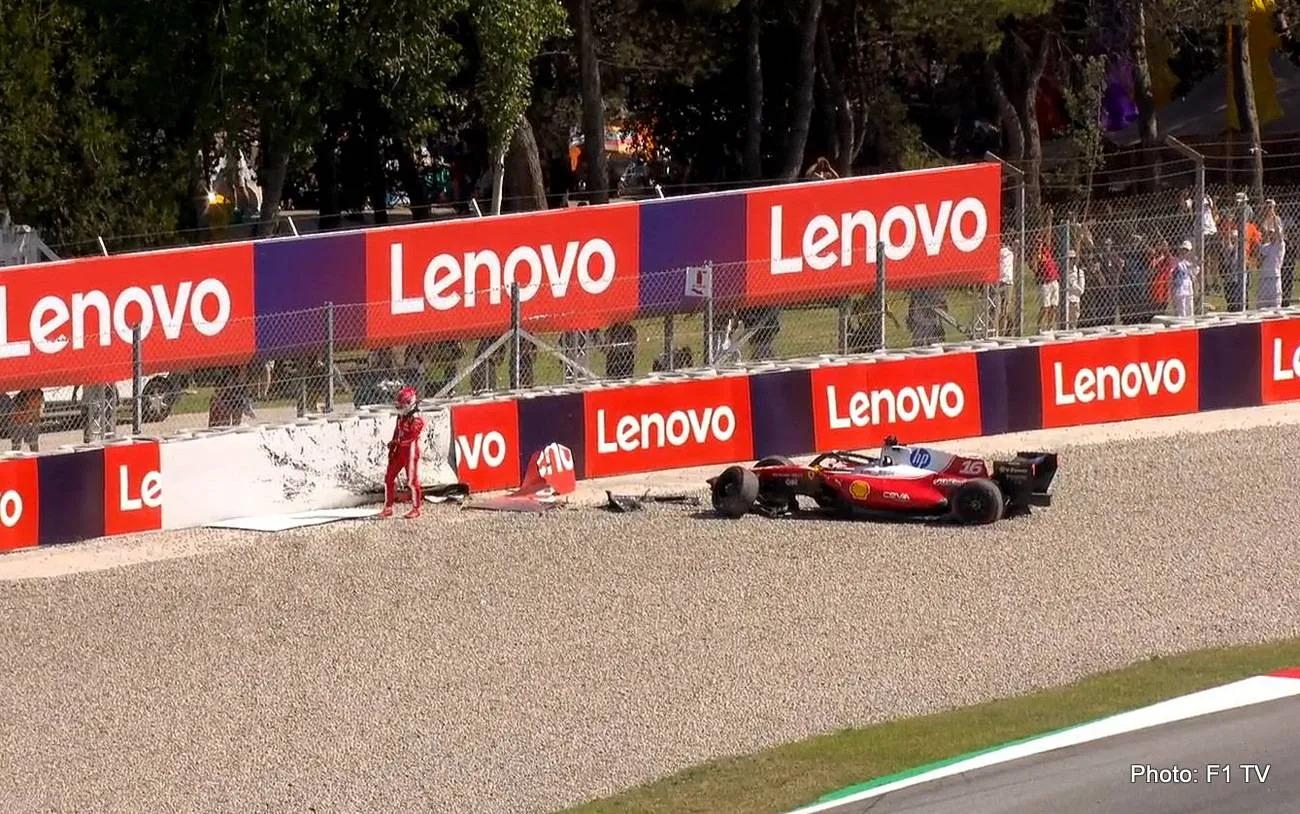
The fastest lap market rewards the driver who sets the quickest single lap during a race. This market behaves differently from the others because teams sometimes pit a driver specifically for fresh tyres late in a race to attempt the fastest lap, meaning the result does not always go to whoever is leading.
On safety car appearances, teams chasing the bonus point will often act immediately when the track goes live again. These are the main F1 betting markets available across a race weekend:
- Race winner: backing a single driver to finish first
- Podium finish: backing a driver to finish in the top three
- Head-to-head: picking the higher finisher between two named drivers
- Fastest lap: backing the driver who sets the quickest single lap
- Safety car appearance: yes or no on whether a safety car is deployed during the race
- Drivers' championship outright: a season-long bet on the eventual title winner
- Constructors' championship outright: backing the team that accumulates the most points across both drivers over the full season
Live in-play markets shift throughout a race as pit stop windows open, as the safety car is deployed, and as the energy deployment situation changes under the 2026 regulations. For fans watching the race closely, live markets add a direct connection between what is happening on screen and the bets sitting open on a device.
The 2026 season has already made clear that historical performance data from previous years carries much less weight than usual.
The regulation reset is still working itself out, and that uncertainty is exactly what makes following the season through betting markets particularly engaging right now. Setting a session budget before each race weekend and sticking to it keeps the experience consistent across a 22-race season.
Latest News

Loading