The rise of in-play betting during F1 races: What It means for motorsport coverage?
F1 NewsSunday, 28 June 2026 at 07:10
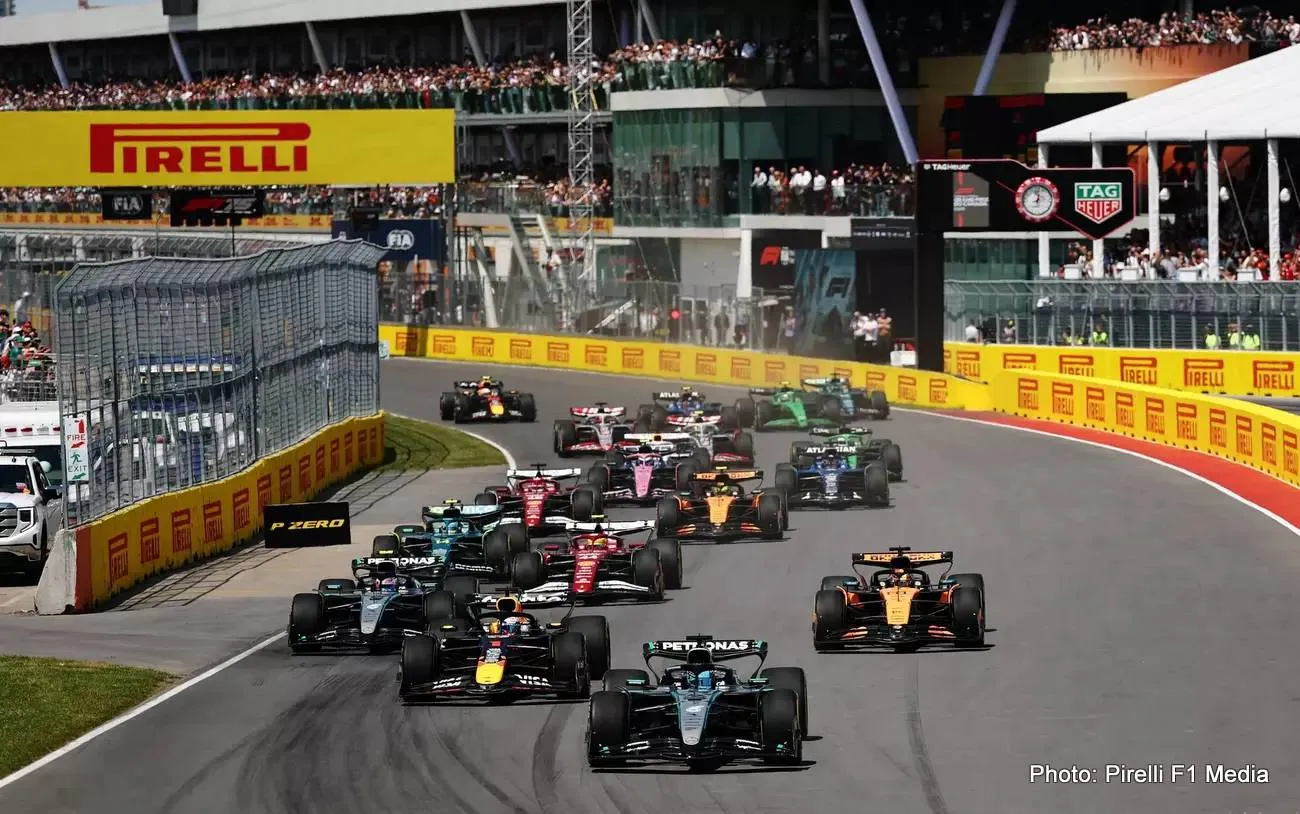
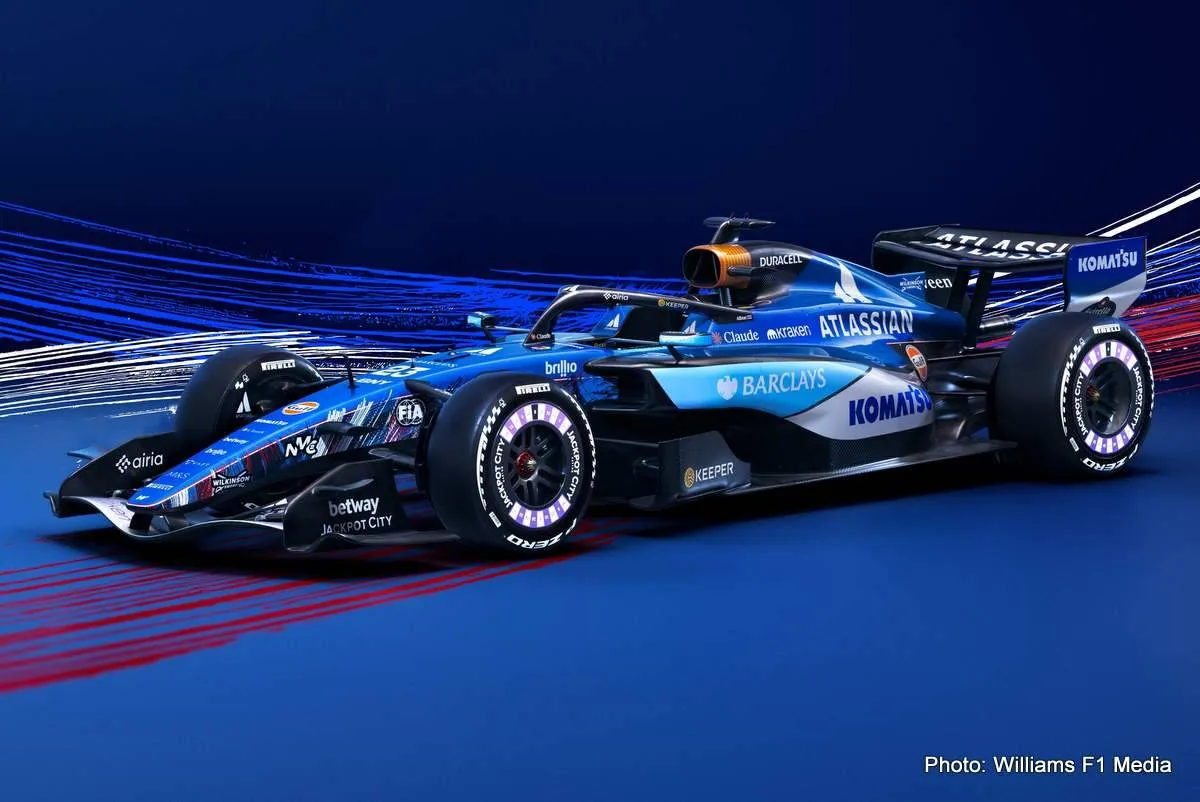
It's a different style of Formula 1 broadcasts. In addition to timing towers and onboard shots, viewers now see tyre-life estimates, pit-window forecasts, battle predictions and even sponsor branding that takes them beyond the engine, oil and watch.
It is this
change which is driving brands to the paddock when it comes to betting. As
Sauber raced as the Stake F1 Team throughout 2024 and 2025 before transitioning
to the Audi Revolut F1 Team for 2026/
The betting brand's high-profile stint
demonstrated how deeply the gambling industry has embedded itself into the
sport's commercial fabric. Stake remains an active platform in the F1 betting
ecosystem, for fans looking to engage directly with race markets, the ability
to use Stake promo code to bet on F1
is a direct product of this deeper integration between motorsport and the
gambling industry.
A new frontier: Unpacking in-play betting in Formula 1
F1 in-play
betting involves betting money once a session or race has begun and odds are
subject to fluctuation throughout the race. It differs from a pre-race bet on
the winner in that a new market can be created each lap.
Common bets
in a typical F1 book include the next car to get to the start/finish line,
whether or not a safety car will be deployed, who will lap the fastest, who
will win a head-to-head race or who will finish within points. A slow stop,
lock-up or sudden rain shower or virtual safety car can cause prices to
fluctuate in seconds.
That speed
is a function of timing of feeds, historical models and risk management. The
higher the quality of the data, the more confident operators can be in price of
live sports betting when fans are reading the race story.
How betting is reshaping the F1 viewing experience
The most
obvious difference from the F1 broadcast is the absence of a scrolling odds
board. It's the era of predictive storytelling. Information on pit-stop
windows, tyre performance, alternative strategies, likely battles and overtake
difficulty is now explained with graphics. These tools assist the casual fan to
comprehend why a driver is staying out, is pitching early, or saving tyres.
They also provide tips to bettors that fit the micro-markets.
This overlap
is intentional. This is not the first time that F1 have sold their data. In
2018, Formula 1, ISG and Sportradar concluded a landmark three-way, $100
million deal to develop live in-play betting products and give fans new ways to
engage with race weekends, and in 2025, ALT Sports Data was appointed as F1's
Official Betting Data Supplier.Betway became Formula 1's first Official Betting
Operator from the start of the 2026 season, following a multi-year deal
announced in March 2026 between F1 and Super Group. The logic is related.
Faster data, more reasons to stay engaged, clearer probabilities, and the
sportsbook.
There's been
more subdued commentary. F1 pundits continue to view racing in terms of
strategy, championships consequences and driver prowess but not specific odds.
However, the language of probability is all around us. The analytical grammar
used by commentators when talking about the opportunity for an undercut, the
probability of rain or a driver catching a competitor is the same as that
driving the live markets.
The stake in the game: Sponsorship's growing influence
The most
obvious case in point is financial backing from Stake, with their brand
becoming the official identity of an F1 outfit, and this is what they did.
Despite some markets needing alternative branding of Kick Sauber under local
laws on gambling advertising, the association attracted attention through race
coverage, social clips, launch events and through merchandise.
It has a
greater impact than one team. From teams, races and official F1 partnerships,
betting brands have sprung up, using motorsport coverage as a direct marketing
channel. Questions that media pose and business models of the sponsors can
influence activations for fans. A livery launch, then, might alternatively be
coverage of sporting events gambling trends.
Increased engagement vs. integrity concerns: The two sides of the coin
Engagement
is the strongest argument for in-play wager. F1 races can have extended periods
of stability where races in the middle of the pack are very active. For some, a
live bet on a pit sequence or the fastest lap on a safety-car period adds an
extra interest to information they may not otherwise have. This represents
additional revenue for teams and media partners, and content hooks for F1.
The issue is
that the nature of game betting might impact the game viewing culture. When
every pit stop is a wager, it can sometimes become the default way of watching.
The issue is that F1 is watched by a worldwide audience which includes younger
fans, those who are not serious about the sport, and those who are susceptible
to problem gambling.
Integrity is
another issue. There are lots of factors in motorsport, such as penalties,
mechanical failures and more, that can cause markets to shift dramatically.
Effective data governance, betting surveillance, clear regulations, and
comprehensive restrictions on insider trading are vital. So are clear
responsible gambling messages, age-gating and adherence to national advertising
regulations. F1 will not be spared of public interest concerns, as was
demonstrated by the Netherlands, where the Dutch Gambling Authority (KSA)
banned Stake.com's trackside branding at Zandvoort as early as 2024, forcing
Sauber to race as 'Kick Sauber' before extending this to a total ban on all
gambling sponsorships at Dutch sporting events from July 2025, affecting every
F1 team carrying a betting partner's logo.
The chequered flag: What's next for F1 and betting?
The
subsequent stage might be more individualised. Broadcasters could provide
optional second-screen feeds, augmented-reality overlays or app-based
dashboards that could display tyre wear, pit deltas and real-time
probabilities. Regulated betting partners can leverage the same data to provide
quicker, more targeted race markets.
It is
unlikely that live odds will be available on mainstream F1 coverage, but will
be dictated by law, broadcaster policy and fan tolerance. The rules can be
tightened in some markets and loosened in others, but with responsible gambling
measures made apparent.
The
sustainable way is separation, which is transparent. Covering data-rich laps
can help increase understanding without being a sales pitch. In-play betting is
now a commercial part of Formula 1, but it's the sport's trustworthiness that
lies at the heart of its worth: fans have to trust in the truthfulness of the
race, the coverage and the fact that the show is greater than the bet.
Latest News


Loading