Adrian Newey reveals health issues affected his Aston Martin start and upcoming development plans
F1 NewsTuesday, 30 June 2026 at 12:22
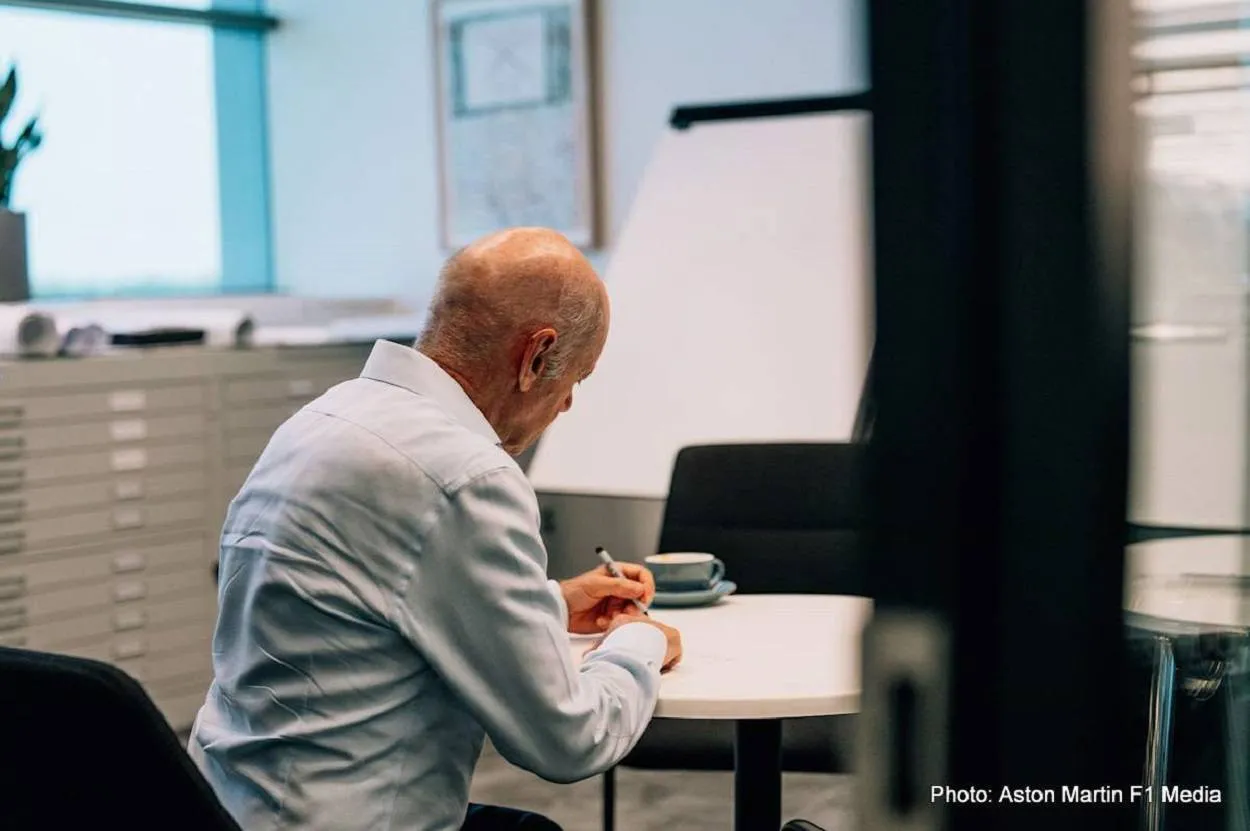
Adrian Newey's arrival at Aston Martin was hailed as the final piece in the puzzle to properly launch the British Formula 1 team into proper contention, but that is not how the situation panned out.
The outcome of that relationship was way below expectations as Aston Martin had a nightmare of a start for the 2026 F1 season with an AMR26 that doesn't work in any way.
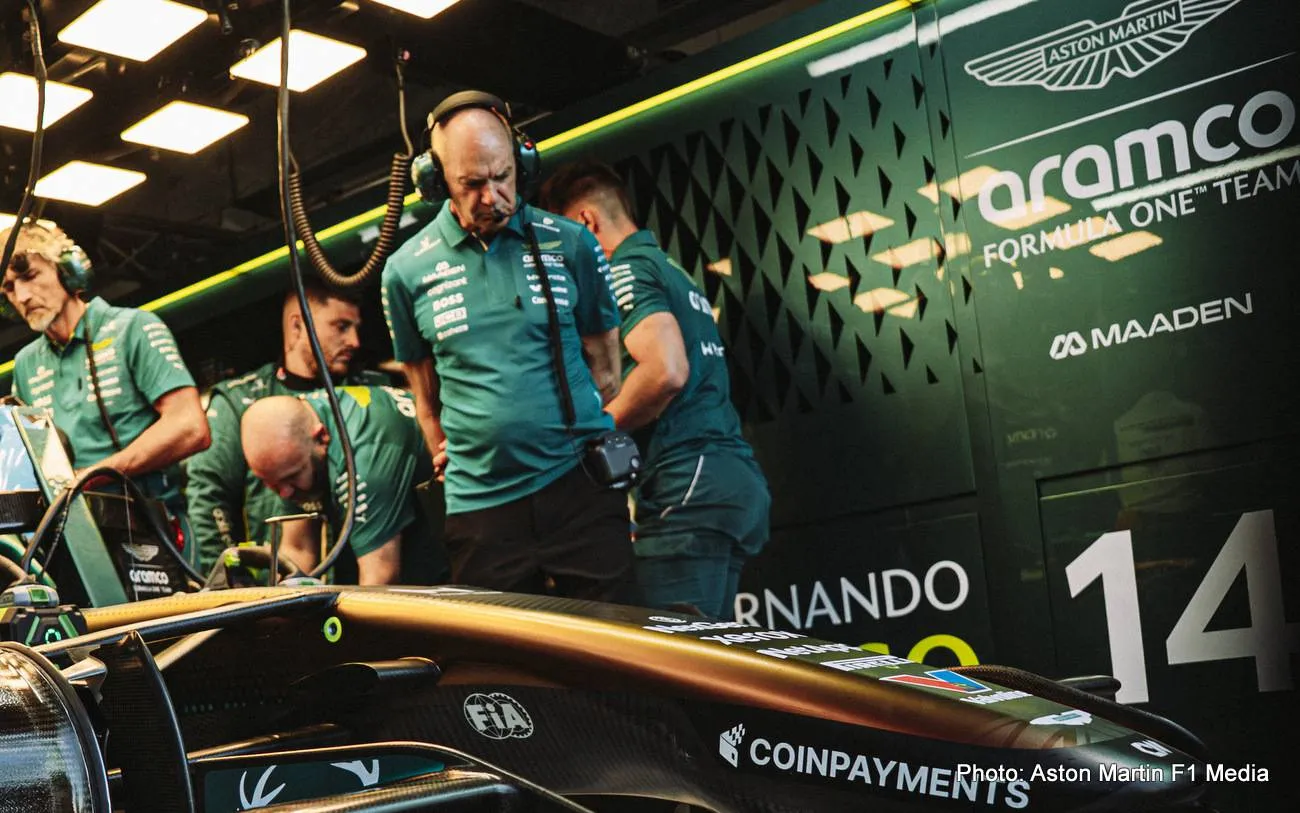
The chassis was overweight and slow, while the Honda power unit was underpowered, as the marriage of both delivered a vibrating death trap that threatened to shake off the teeth and limbs of Fernando Alonso and Lance Stroll every time they got strapped into the cockpit of that Green car.
Earlier, Newey blamed the late start of the development of the car in 2025 as the reason behind the disaster that ensued, but it seems he was also personally struggling with health issues.
In a recent interview with the Aston Martin F1 Team website, Newey, who took over as Team Principal in November of 2025, said: "I'm OK now, but it's been a difficult period. As I said earlier, it never rains but it pours.
"In truth, I was not 100 percent last year. I had to balance health and work much more carefully.
"The team handled it incredibly well. I kept a very good relationship with the engineers, and I don't feel it caused too much of a blip.
"That's a testament to how adaptable and supportive everyone here is," he added.
Newey pushed for AMR26 concept

He also admitted that he had pushed a car concept that was too ambitious and risky; he said: "Aerodynamically, we also took a bold direction—which was largely pushed by me—without the luxury of exploring multiple concepts in depth because time was against us.
"I wouldn't say the direction we've taken is fundamentally wrong, but it has thrown up challenges we didn't anticipate."
Newey also pointed out issues within the team that have played a detrimental role in the production of their 2026 F1 car.
He explained: "We've got a very talented group of people, but as an organization we weren't yet working together as well as you would like and operating as one cohesive unit.
"We were relying on tools and processes that had been patched and bodged for years," he added. "You could trace some of them right back to the very early days of the Jordan team that was based here in Silverstone, long before Aston Martin returned to the grid.
"At some point, a system that's just patch‑on‑patch stops being fit for purpose. That's where we had got to.
"The result was a very frustrating car build. Parts weren't being ordered at the right time – not because people weren't doing their jobs, but because the underlying system was failing them," the Briton said.
Changes are starting to deliver

The team has done the work of sorting out the situation with Newey, claiming the results of all the graft are starting to show as Aston Martin have become more reliant on their internal production to deliver car parts.
"We've taken this difficult spell as an opportunity to overhaul how we work," he said. "We're making big strides in our in‑house facilities and production capabilities.
"You won't see all the gains immediately, but they'll be visible on the updated car: many more components are now produced in-house.
"The gearbox casing is manufactured here, the floor patterns and floors themselves are made here, and a lot of parts that were previously outsourced have come back in-house.
"That gives us better cost control, but more importantly, much greater flexibility and control over our own destiny.
"Bringing more work in-house gives us better quality control, better responsiveness, and a tighter feedback loop from research to design to manufacture."
Despite the disastrous start of the 2026 F1 season, Newey admitted that the decision was not to rush upgrades but rather step back and evaluate the situation and deliver a massive package, which would basically be a B-spec AMR26.
The big upgrade in Hungary

"It was a painful decision," he admitted. "While others have been adding performance, we've effectively been standing still in relative terms, so each weekend can feel more painful than the last.
"But we believe it's the right decision—the right investment for our future, if you like. Our partners—Aramco, Valvoline, Honda, and others—understand that this is a necessary trying period that we, in truth, probably need to go through to come out stronger, with a decent step forward in the second half of this season and a much bigger one for next year."
As for the expected changes from the package that will debut in Hungary, the F1 design guru said: "The main structural elements remain the same—the chassis and gearbox architecture don't fundamentally change.
"But we've taken weight out of both, which required re-homologating and crash testing the forward chassis.
"The front suspension is unchanged. The rear suspension is slightly revised. We've developed a new nose and substantially revised aerodynamic surfaces.
"So, while the core structure is similar, it's a big aerodynamic package coupled with significant weight reduction.
"The target is to get very close to the weight limit," he maintained.
What to expect from the new package?

And when asked what kind of performance gains the upgrade will deliver, Newey was reluctant to give any details.
He said: "We're predicting a large step, but I'm reluctant to put specific numbers out there because our simulation tools aren't yet as sophisticated or well correlated as they need to be.
"Historically, at this team, there hasn't been enough investment in engineering simulation tools—not just project management systems, but the core physics tools themselves.
"We're putting that investment in now, but you don't rewrite and validate those tools overnight. Correlating them properly with the real car takes time.
"At the moment, they're improving, but the real gains from that work will come later in the year," he pointed out.
Aston Martin are currently 10th in the 2026 F1 Constructors' Championship with one point.

Latest News
Loading