The Most Expensive Engines in Formula 1 History: How Much Do F1 Power Units Really Cost?
F1 NewsMonday, 23 March 2026 at 06:17
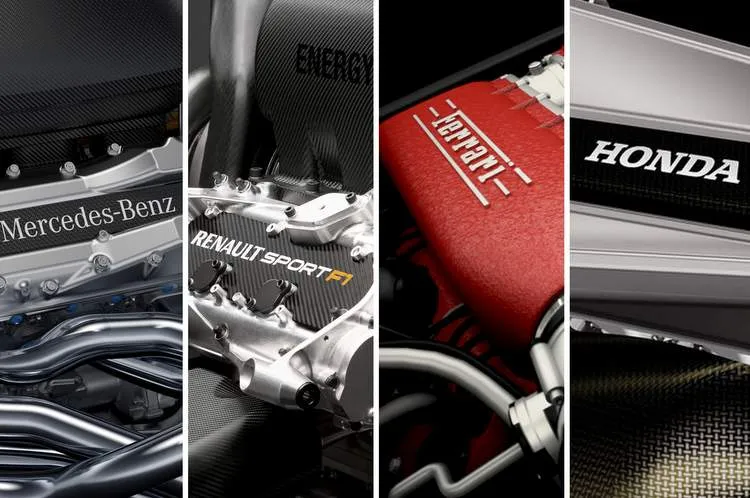
Formula 1 is not just a sport - it’s a multi-billion-dollar industry where cutting-edge technology meets massive financial investment.
Teams spend staggering amounts on engine development, often backed by global sponsors, entertainment platforms, and digital industries. In a landscape where funding can come from diverse sectors - including gaming and betting platforms like nz online pokies - the ability to sustain such enormous budgets becomes a strategic game in itself.
From Naturally Aspirated V10s to Hybrid Turbo Power Units
Formula 1 engines have undergone a dramatic transformation over the past decades. In the early 2000s, naturally aspirated V10 engines dominated the grid, delivering high-revving performance with relatively simpler mechanical designs. However, the introduction of V8 engines in 2006 and later hybrid turbo power units in 2014 marked a turning point in both performance and cost.
Modern F1 engines are no longer just about raw horsepower—they are complex hybrid systems combining internal combustion with advanced energy recovery technologies. This shift significantly increased development complexity and financial investment.
Key Regulatory Changes That Increased Development Expenses
Regulatory changes have played a crucial role in driving up costs. The 2014 regulations introduced 1.6-liter V6 turbo hybrid engines with strict efficiency targets. While these rules improved sustainability and innovation, they also required manufacturers to invest billions into research, simulation, and testing.
The Role of Sustainability and Hybrid Innovation in Pricing
Formula 1’s push toward sustainability has further increased engine costs. Hybrid systems, energy recovery technologies, and fuel efficiency requirements demand cutting-edge engineering solutions. These innovations not only improve performance but also significantly raise production and development expenses.
What Makes an F1 Power Unit So Expensive?

Advanced Materials and Precision Engineering
F1 engines are built using exotic materials such as titanium alloys, carbon composites, and heat-resistant ceramics. Every component is designed with extreme precision to withstand high temperatures and pressures while maintaining maximum efficiency.
Hybrid Systems: MGU-K and MGU-H Explained
The hybrid elements of a modern power unit include the MGU-K (Motor Generator Unit – Kinetic) and MGU-H (Motor Generator Unit – Heat). These systems recover energy from braking and exhaust heat, converting it into additional power. Their complexity alone adds millions to the total engine cost.
Research and Development Investments by Manufacturers
Manufacturers invest heavily in R&D to gain even the smallest competitive advantage. Wind tunnel testing, simulations, and continuous upgrades throughout the season contribute significantly to the overall cost.
Manufacturing Complexity and Limited Production Volumes
Unlike mass-produced engines, F1 power units are manufactured in extremely limited quantities. This lack of scale drives up costs, as each unit requires meticulous craftsmanship and extensive quality control.
Breakdown of Formula 1 Power Unit Components and Their Costs
Internal Combustion Engine (ICE) Cost Factors
The ICE remains a core component, accounting for a significant portion of the total cost. Its design must balance power output, fuel efficiency, and reliability under extreme conditions.
Energy Recovery Systems and Battery Costs
Energy storage systems and recovery units are among the most expensive components. Advanced battery technology and energy management systems are essential for optimal performance.
Turbocharger and Electronic Control Unit Expenses
The turbocharger increases engine efficiency, while the electronic control unit (ECU) manages complex operations. Both components require advanced engineering and contribute heavily to overall expenses.
Integration and Cooling System Requirements
Cooling systems and integration of all components into a compact package add further complexity. Efficient thermal management is critical, especially given the extreme operating conditions of F1 engines.
The Most Expensive Engines in Formula 1 History

Early Hybrid Era Engines (2014–2016) and Their Massive Budgets
The introduction of hybrid engines in 2014 led to unprecedented costs. Development budgets for some manufacturers exceeded $1 billion during the early years of this era, funded largely through sponsorship deals and global partnerships.
High-Cost Dominance of Leading Manufacturers
Top manufacturers invested heavily to dominate the grid. This created a significant financial gap between leading teams and smaller competitors, making sponsorship revenue a critical lifeline.
Record-Breaking Development Budgets in Modern F1
Modern F1 engines remain among the most expensive in motorsport history, with continuous upgrades pushing costs even higher. Teams rely on diverse revenue streams, from traditional sponsors to digital entertainment industries, to maintain competitiveness.
Cost Comparison Between Different F1 Engine Eras
V8 Era vs Hybrid Era: A Financial Perspective
V8 engines were significantly cheaper to develop and maintain compared to modern hybrid units. The simplicity of earlier designs allowed teams to operate with lower budgets.
Cost Escalation After 2014 Regulations
The 2014 regulation changes triggered a sharp increase in costs, with hybrid technology being the primary driver.
How Teams Adapted to Increasing Engine Prices
Teams adapted by forming partnerships with engine suppliers, optimizing resource allocation, and securing high-value sponsorship agreements.
How Much Does an F1 Engine Cost Today?

Average Price per Power Unit in Current Regulations
Today, a single F1 power unit can cost between $10 million and $15 million. This includes all hybrid components and ongoing development expenses.
Leasing vs Manufacturing: Team Cost Strategies
Many teams choose to lease engines from manufacturers rather than develop their own. This approach reduces costs but limits technical independence.
Budget Caps and Their Effect on Engine Spending
The introduction of budget caps has helped control spending, although engine development still remains one of the most expensive aspects of Formula 1.
The Economics Behind Engine Suppliers in Formula 1
Why Only a Few Manufacturers Dominate the Grid
The high cost of development means only a handful of manufacturers can compete at the highest level. This limits competition but ensures technological excellence.
Partnerships Between Teams and Engine Suppliers
Strategic partnerships allow teams to access competitive engines without bearing the full cost of development.
Financial Risks and Returns for Engine Development
Developing an F1 engine is a high-risk investment, but success can bring prestige, technological advancements, and commercial benefits.
Future Trends: Will F1 Engines Become Cheaper or More Expensive?

Upcoming Regulation Changes and Cost Control Measures
Future regulations aim to simplify engine design and reduce costs while maintaining performance and sustainability goals.
The Shift Toward Sustainable Fuels and New Technologies
Formula 1 is moving toward fully sustainable fuels, which will require further innovation and investment, potentially increasing costs in the short term.
Potential Impact of New Manufacturers Entering the Sport
New entrants could increase competition and innovation, but also raise development costs as manufacturers push technological boundaries.
Latest News







Loading