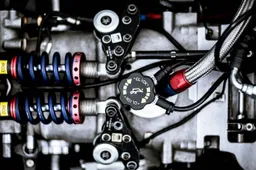
The Data Race: How Analytics Is Becoming Formula 1’s Ultimate Competitive Edge
F1 NewsTuesday, 31 March 2026 at 06:19
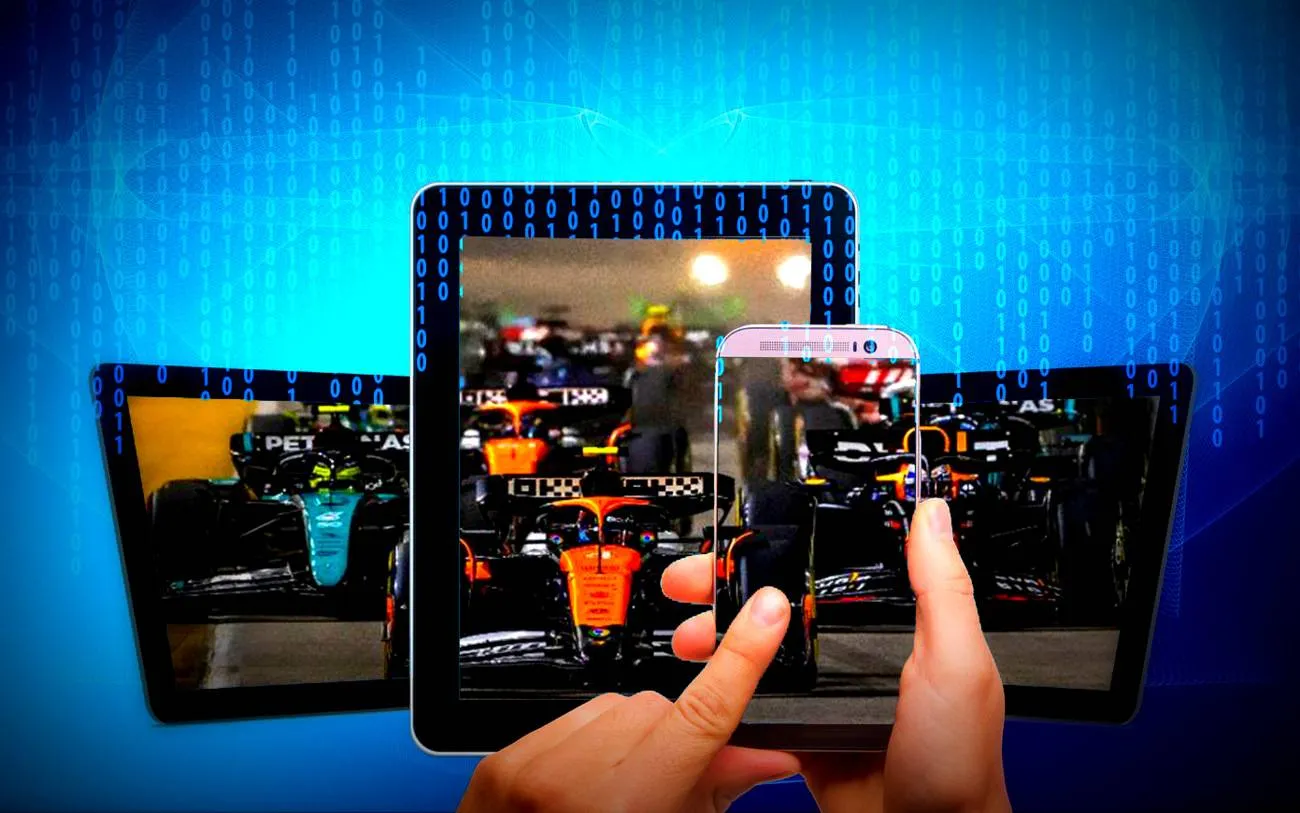
For much of its history, Formula 1 has been defined by engineering brilliance and driver skill, a balance between human instinct and mechanical precision.
The image of a driver wrestling a car around a circuit at the limit remains central to the sport’s identity. Yet behind the spectacle, a quieter transformation has taken place. Today, Formula 1 is as much a data competition as it is a physical one.
Modern race weekends generate vast quantities of information, from tyre temperatures and fuel flow rates to aerodynamic efficiency and driver inputs. The teams that can interpret this data most effectively are often the ones that succeed. In an era of tight regulations and marginal gains, analytics has become the ultimate differentiator.
From Stopwatch to Supercomputers
In the early days of Formula 1, performance analysis was relatively straightforward. Lap times, sector splits, and driver feedback formed the basis of decision-making. Engineers relied heavily on experience and intuition, making adjustments based on what they could observe and measure in real time.
That approach has evolved dramatically. Today’s cars are equipped with hundreds of sensors, capturing data at a level of detail that would have been unimaginable even two decades ago. Every aspect of performance - from suspension movement to energy recovery - is monitored continuously.
This information is transmitted in real time to engineers both at the circuit and at remote operations centres. There, advanced algorithms process the data, identifying patterns and anomalies that inform strategic decisions. The result is a feedback loop that operates at extraordinary speed, allowing teams to adapt almost instantaneously.
Strategy as a Data Problem
Race strategy has always been a crucial element of Formula 1, but it has become increasingly complex in the modern era. Tyre degradation, weather conditions, safety car probabilities, and competitor behaviour all influence decision-making.
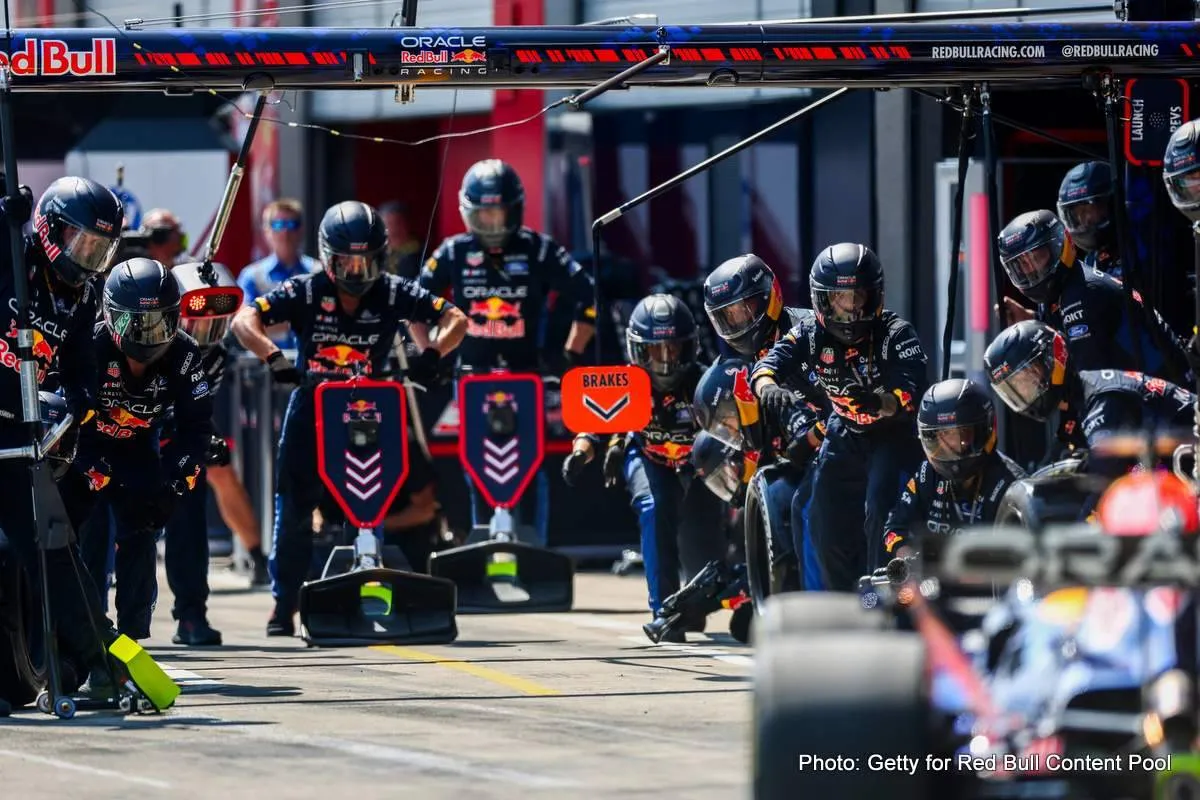
Analytics allows teams to model these variables with remarkable accuracy. Simulations can predict how different strategies might unfold, helping engineers choose the optimal moment for pit stops or tyre changes. These decisions, often made within seconds, can determine the outcome of a race.
Importantly, strategy is no longer reactive. Teams are able to anticipate scenarios before they occur, preparing responses in advance. This predictive capability reduces uncertainty and increases the likelihood of making the right call under pressure.
The Role of Remote Operations
One of the most significant developments in recent years is the rise of remote operations centres. These facilities, often located thousands of miles from the track, function as data hubs where teams analyse information in real time.
During a race, dozens of engineers work behind the scenes, supporting the trackside team with insights derived from live data. This distributed approach allows for deeper analysis and more informed decision-making without adding complexity to the pit wall.
It also reflects a broader trend in motorsport and beyond: the integration of digital infrastructure into traditionally physical environments. The race is no longer confined to the circuit; it extends into a network of data systems operating in parallel.
Driver Performance in the Age of Data
While technology plays an increasingly prominent role, the driver remains central to Formula 1. However, the way performance is evaluated has changed.
Data provides a detailed picture of how a driver interacts with the car. Throttle application, braking patterns, steering inputs - all can be analysed and compared against ideal models or team-mate performance. This allows for highly specific feedback, helping drivers refine their technique.
At the same time, data can highlight subtle differences in driving style that might not be visible to the naked eye. In a sport where margins are measured in thousandths of a second, these insights are invaluable.
Yet there is a balance to be struck. Too much reliance on data risks reducing driving to a purely technical exercise, potentially overlooking the intuitive elements that define great drivers. The challenge lies in integrating analytics without diminishing the human aspect of the sport.
Regulation and the Limits of Innovation
Formula 1 operates within a tightly controlled regulatory framework, designed to maintain competitive balance and manage costs. These regulations place limits on car design, testing, and even data usage.
Despite these constraints, teams continue to find innovative ways to leverage analytics. The focus has shifted from outright technological breakthroughs to optimising existing systems. In this environment, efficiency becomes as important as innovation.
The cost cap introduced in recent seasons has further intensified this dynamic. Teams must allocate resources carefully, prioritising areas where data can deliver the greatest return. This has elevated the importance of analytics as a strategic asset.
From Track to Road
The influence of Formula 1 extends beyond motorsport. Technologies developed in the sport often find their way into road cars, shaping the broader automotive industry.
Data analytics is no exception. The principles used to monitor and optimise performance in Formula 1 are increasingly applied to everyday vehicles. From predictive maintenance systems to advanced driver assistance features, the impact is evident.
This crossover highlights a broader shift in how vehicles are designed and experienced. Data is becoming integral not just to performance, but to ownership as a whole.
Identity, Detail, and the Modern Car Culture
While Formula 1 represents the cutting edge of performance, its influence also filters into car culture more broadly. Enthusiasts are increasingly drawn to the idea of precision - not just in how cars perform, but in how they are presented.
Attention to detail has become a defining characteristic of modern automotive identity. Whether through subtle design choices or personalised elements, drivers seek to create a sense of individuality.
Even in a data-driven age, these human factors remain important. For some, that expression extends to details that sit outside the core mechanics of the car. Companies like Number1Plates.com exist within this space, reflecting a continued interest in how vehicles are perceived as well as how they perform.
As Formula 1 continues to evolve, the role of analytics is only set to grow. Advances in artificial intelligence, machine learning, and real-time processing will further enhance the ability of teams to interpret data and act on it.
The Future of the Data Race
At the same time, the sport must navigate the balance between technological complexity and accessibility. Part of Formula 1’s appeal lies in its human drama — the unpredictability that keeps audiences engaged. Ensuring that data enhances rather than diminishes this aspect will be key.
What is clear, however, is that the competitive landscape has changed. Success is no longer determined solely by engineering or driving talent, but by the ability to extract meaning from information.
Formula 1 has always been a sport of innovation, pushing the boundaries of what is technically possible. In the modern era, that innovation is increasingly defined by data.
Analytics has become the invisible force shaping performance, strategy, and decision-making. It operates behind the scenes, yet its impact is felt in every lap, every pit stop, and every championship battle.
In this data race, the margins are finer than ever. And while the cars may still capture the imagination, it is the algorithms - quiet, precise, and relentless - that are redefining what it takes to win.

Latest News

Loading