Pirelli goes softer for Barcelona as Formula 1 teams return to familiar ground
F1 NewsThursday, 11 June 2026 at 09:21

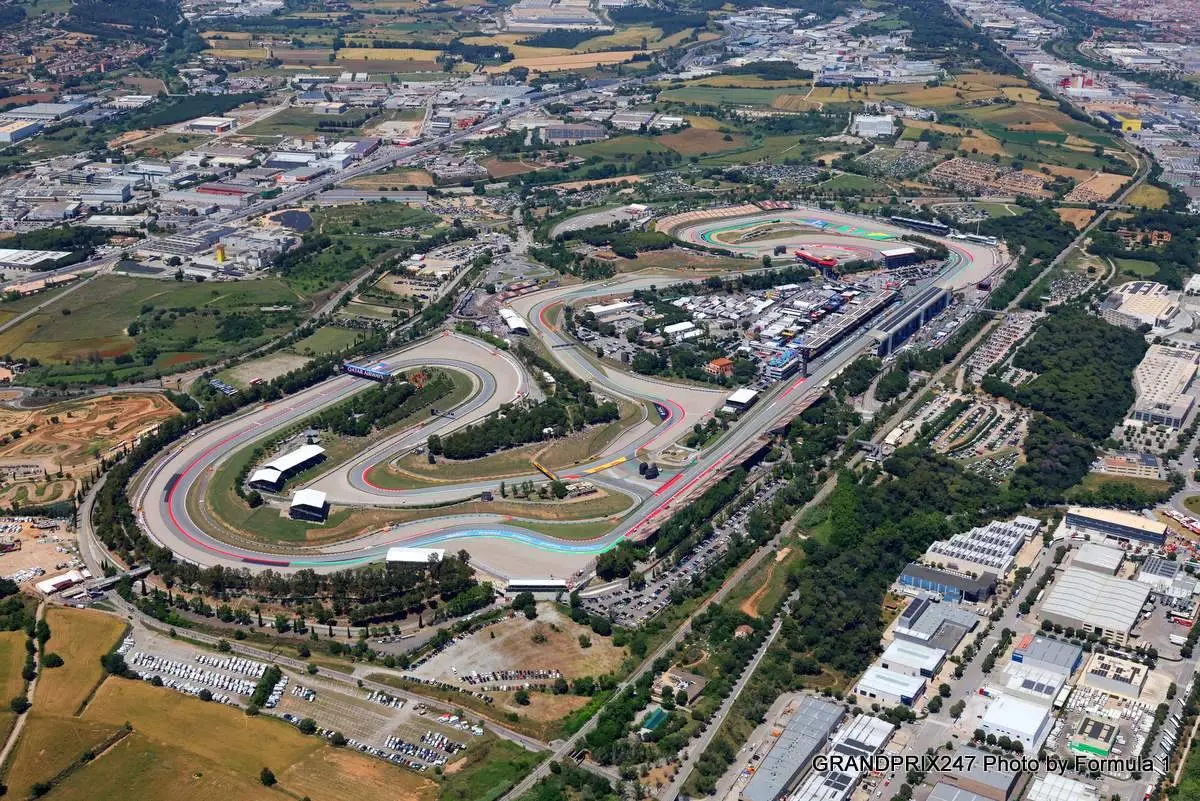
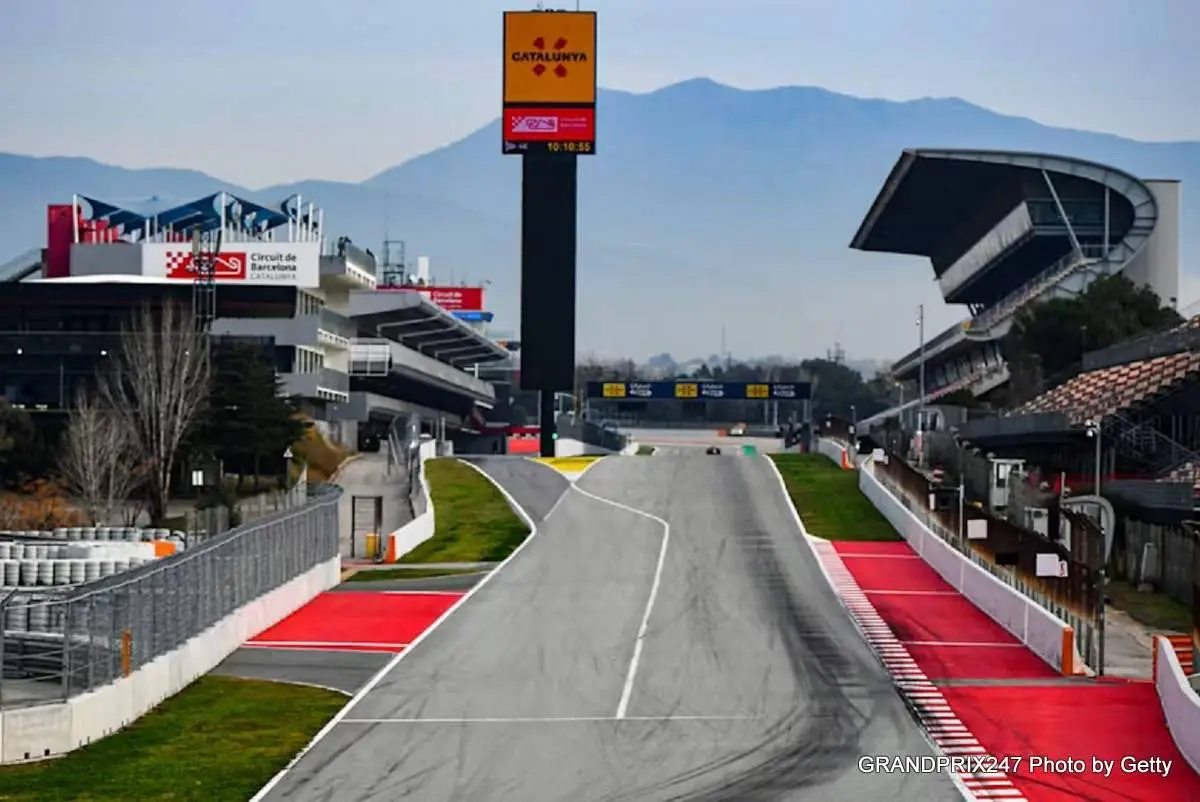
Formula 1 returns this weekend to the Circuit de Barcelona-Catalunya, the venue where the 2026 cars first turned a wheel in anger during five days of pre-season testing in January.
After six months of racing under the sport’s sweeping new technical regulations, teams head back to the Spanish circuit armed with a wealth of data and developments, making the Barcelona-Catalunya Grand Prix a useful benchmark for measuring progress.
The race marks a change in identity for the long-standing event. While Barcelona retains its place on the calendar, the Spanish Grand Prix title now belongs to Madrid, which will host its inaugural Formula 1 race later this season.
For the seventh round of the championship, Pirelli has opted for a softer tyre allocation than has traditionally been used at the circuit. The Italian manufacturer will supply the C2 as Hard, C3 as Medium and C4 as Soft, one step softer than the combinations usually selected for Barcelona.
The move is aimed at increasing strategic variation and potentially encouraging more pit stops, while also bringing the Hard compound into play as a viable race tyre.
Barcelona remains one of Formula 1’s most demanding venues for tyre performance. The 4.657-kilometre circuit combines long straights with a sequence of high-speed corners that place significant loads on the tyres, particularly the left-hand side due to the predominance of right-hand turns.
Turn 3, one of the longest and fastest corners on the calendar, remains a major test of tyre durability, while the final sector continues to generate substantial lateral loads following revisions made to the last two corners in 2023.
Thermal degradation the primary challenge in Barcelona

Thermal degradation is expected to be the primary challenge for teams, with the front tyres traditionally suffering the greatest stress around the circuit. The abrasive nature of the ageing asphalt also contributes to tyre wear, while warmer conditions compared to previous years could further increase the challenge.
With Barcelona historically serving as a favoured venue for introducing upgrades, attention will focus on what developments teams bring to the first European-style benchmark track of the season. Because all teams gathered extensive data during January’s tests, performance gains or losses should be easier to identify than at less familiar circuits.
Wheel rim designs may also attract attention, as they play an increasingly important role in managing heat transfer between tyres, brakes and track surface under the current regulations.
The circuit’s familiarity should provide engineers with a rare opportunity to directly compare pre-season performance against current form, offering a clear indication of how effectively teams have developed their cars over the opening six races.
Following the Grand Prix weekend, tyre development work will continue at Montmeló. Pirelli has scheduled a two-day slick tyre test on 16 and 17 June, with Ferrari, Aston Martin and Cadillac all set to participate as preparations continue for future tyre specifications.
Latest News


Loading