Lewis Hamilton sheds light on the challenges of driving a 2026 Formula 1 car
F1 NewsThursday, 12 February 2026 at 15:35
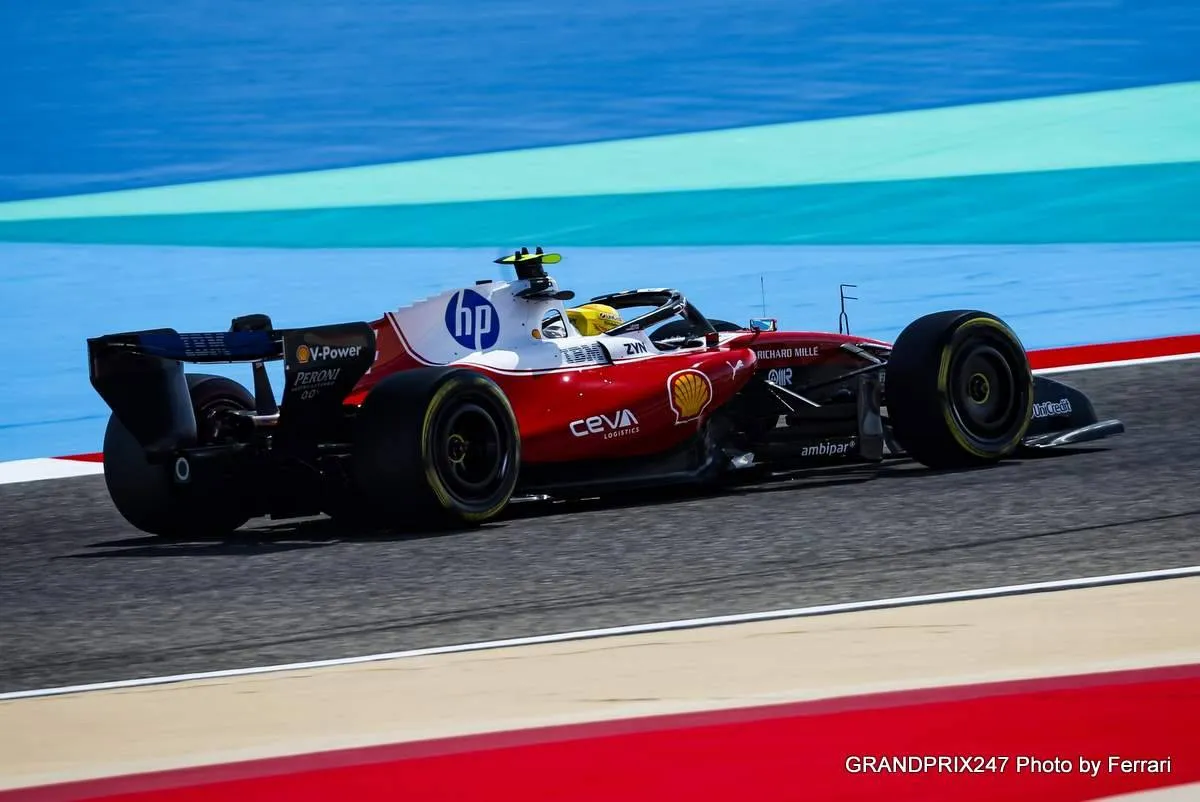
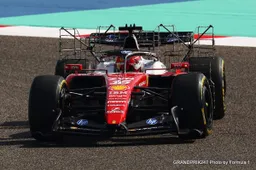
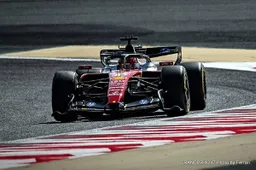
Lewis Hamilton has offered some insight on how the 2026 Formula 1 cars with their new power units work and what it takes to fully understand and operate them.
While the new-for-2026 F1 cars have a new concept in terms of chassis, where ground effect is no longer the means of generating downforce, getting used to them remains a simple task when compared to how the drivers need to manage the power unit.
The 2026 F1 power units are still V6 turbo-hybrids but with no MGU-H while they produce power on an equal basis from the internal combustion engine and the electric motor.
With the batteries having a limited capacity in terms of charge, the means drivers will need to learn how to manage the recharge and the deployment over the course of a lap, be it in race trim or qualifying trim.
There is also the role software will play in managing this process based on specific algorithms developed by the engineers to try and achieve the optimal lap time.
Seven-time F1 Champion Hamilton revealed some details on how the drivers are learning this new process but maintains it is too complex, especially in terms of explaining it to the fans.
You need a degree to understand it all

Speaking to the media in Bahrain on Day 1 of the test, the Briton said: "None of the fans will understand it, I think.
"It's so complex; it's ridiculously complex. I had seven meetings one day, and they take us through it. I don't know; it's like we need a degree to fully understand it all.
"In terms of managing it, it's pretty straightforward, I would say," Hamilton went on. "Maybe in race trim, it's going to be different, as you can see. But then there also is a system that can automatically, once you finish a lap, it learns the way that you're driving.
"But, say, for example, you lock up and go wide, because it's more distance, it affects that algorithm. So we're just trying to get on top of it and understand it. But everyone's in the same boat."
Lifting and coasting will be a common practice in 2026, with drivers having to tackle corners at lower gears with higher revs to make sure the they compensate for lack of power from the battery and the electric motor.
Hamilton explained: "The low gears that we have to go down to is just because we can't recover enough entry power—because the car can't manage.
"We can't recover enough battery power, so that's why we have to rev the engines very, very high. So, we're going down to second and first, in some places, just to try to recover that extra bit of power.
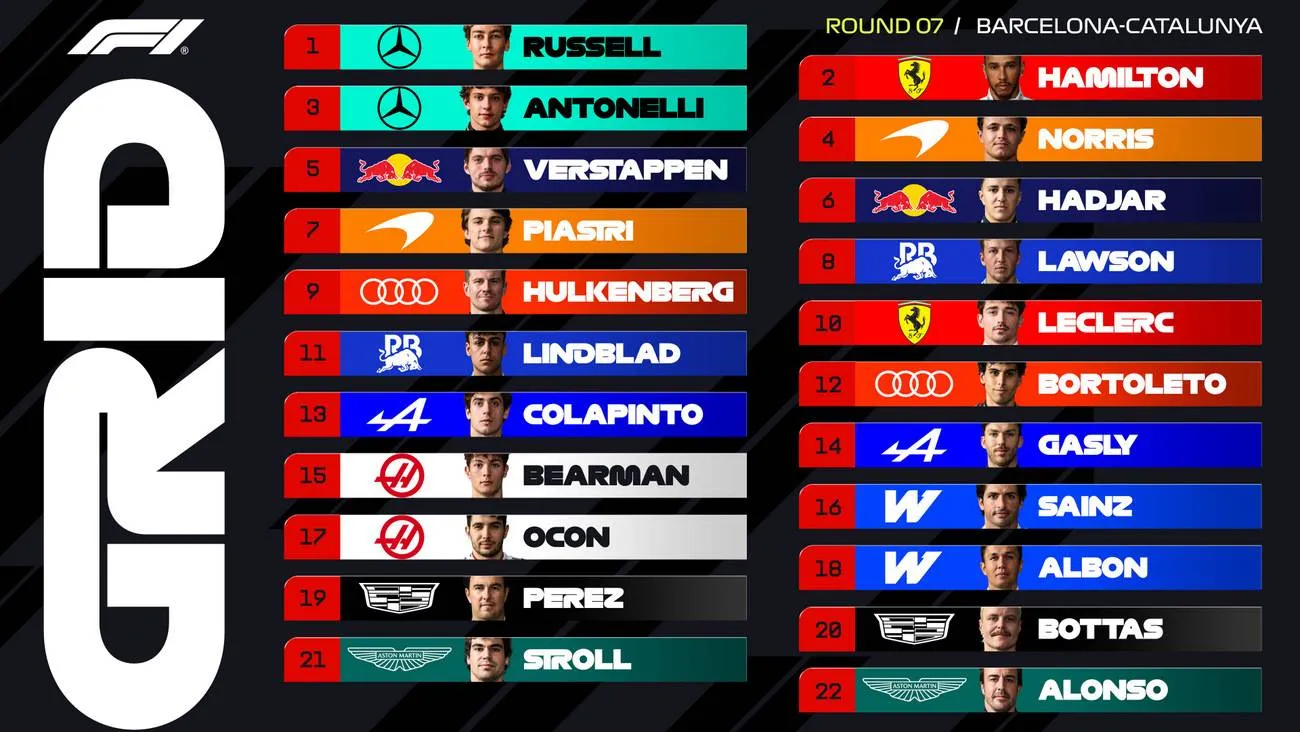
"If you look at Barcelona, for example, [there was] about 600 m lift-and-coast on a qualifying run. That's not often the case.
"Here [Bahrain], we're not able to do that, because there's a braking zone, so that definitely doesn't help, because the steps between those ratios are quite high. But also, it's very low-downforce.
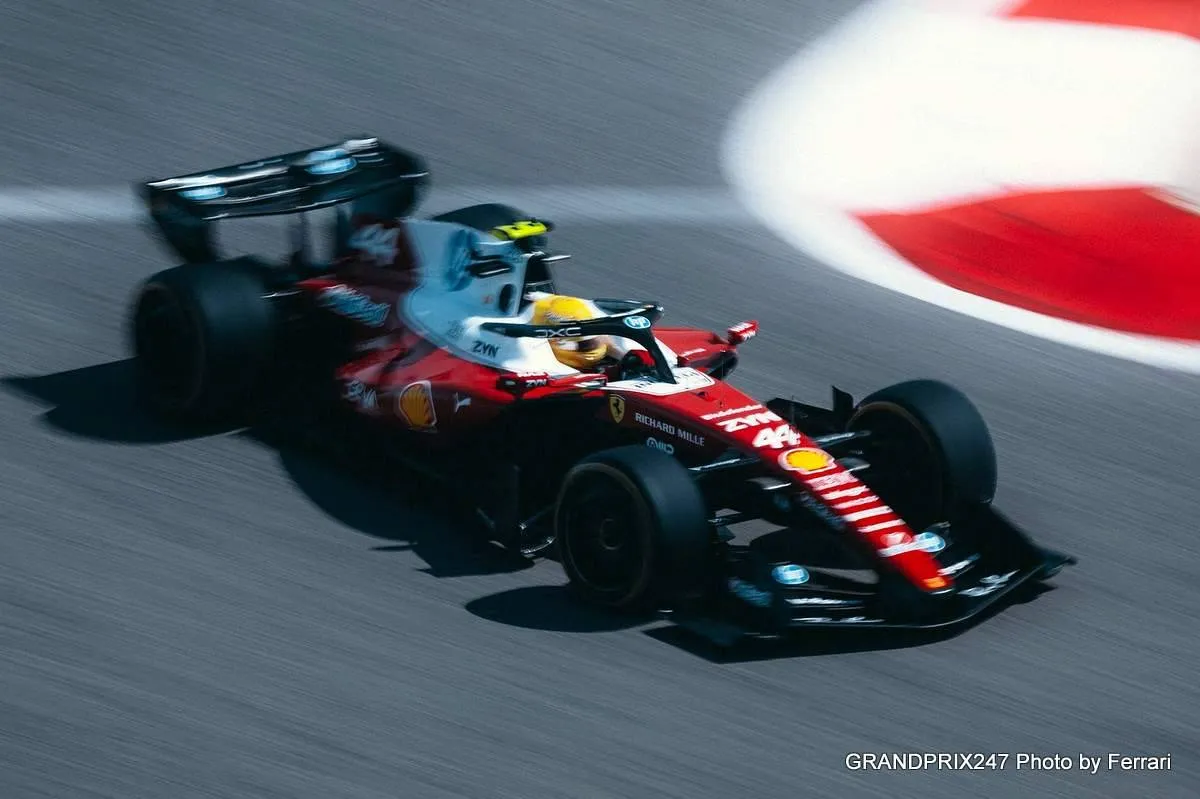
"Yeah, there's just a lot of sliding around," the Ferrari driver concluded. (Reporting by Agnes Carlier)
Latest News



Loading