How Formula 1 Pit Stop Precision and betting big at Online Casinos
F1 NewsFriday, 16 May 2025 at 01:14
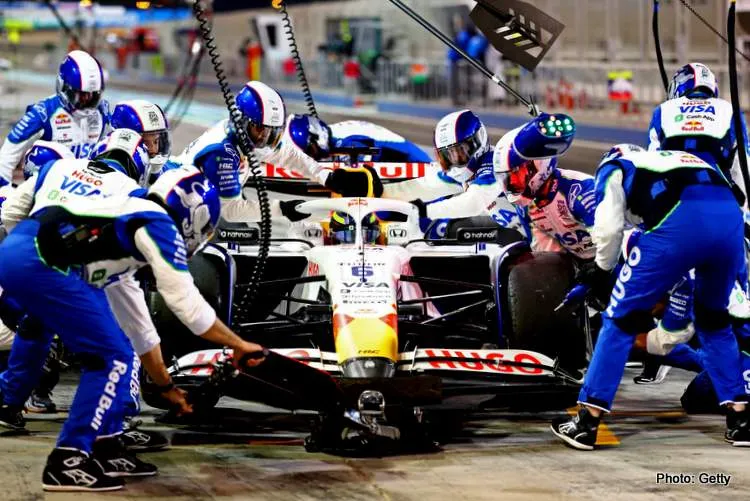
Formula 1 pit stops are an intricate balancing act between timing, teamwork, and calculated risk-taking. Every second counts; split-second decisions often determine success or failure.
Similar principles apply when betting at online casinos; knowing when it is best to go all-in or hold back can mean the difference between big wins and costly losses. By studying F1 pit strategies closely, you can enhance your betting discipline and seize opportunities more readily.
Formula 1 racing teams know the consequences of a poorly timed pit stop can be disastrous, as stopping too early could require another tire change later, and stopping too late could cost positions to competitors with more strategic approaches.
Tire wear, fuel consumption, and rival strategies must all be considered before making their move. Online casino gamblers need to remember this same lesson; betting big during losing streaks or when odds are against you is likely to quickly deplete bankrolls.
Timing Is of Utmost Importance in Formula One Betting

The key lies in identifying high probability moments similar to F1 teams waiting for optimal track conditions before pitting.
Successful bettors recognize patterns such as hot streaks in live roulette or favorable card distribution in blackjack. Waiting for these moments increases odds, similar to how F1 teams wait for safety cars to pit and gain an edge.
Patience is key; forcing a bet without an edge would be like pitting on an empty track without any strategic gain; in blackjack, increasing your bet after several low cards have been dealt (indicative of potential strong hands coming) is similar to capitalizing on another team's mistake in F1.
Both scenarios require discipline as well as knowing when it will come along!
Risk Evaluation: Deliberating All In, If Required

F1 teams carefully consider risks before committing to their pit strategies. Aggressive drivers may take risks with fewer stops in hopes that their tires will outlive expectations.
Conservative drivers prioritize consistency by having more frequent pit stops with greater safety precautions in place. When betting, multiple factors must be assessed before placing large bets.
- Your Bankroll - Can you afford to lose this bet without chasing losses? Much like an F1 team wouldn't risk pit stops without adequate tires or fuel, betting big should never put strain on remaining funds and could cripple them irreparably.
- Volatility - High-variance slots offer big wins but rapidly drain funds, similar to an aggressive F1 strategy which could result in either a podium finish or early retirement.
- Opponent Behavior in Poker - Are players folding frequently, signaling that this may be an excellent bluffing opportunity? This would be analogous to an F1 driver passing another who's having tire wear issues.
Just as F1 teams adjust strategies based on tire wear and fuel levels, casino bettors should adapt their betting sizes according to their current position. Betting big should only happen when the risk-reward ratio favors it - for instance doubling down when the dealer displays weak cards is an example of taking calculated risks to gain track position - similar to an F1 team pitting under a safety car for an advantage on track position.
Teamwork and Data Analysis

F1 pit crews rely on real-time data relating to tire degradation, weather conditions, and rival positions to make decisions. Engineers analyze telemetry to forecast when is best time for a pit stop is, just as successful bettors use data as guidance when making their moves, such as tracking previous spins in roulette or tracking poker hand histories so as to detect trends. Ignoring data is like changing tires blindly - rarely will it end well!
Online casinos offer statistics like RTP (Return to Player) and volatility ratings that you can use like an F1 engineer uses lap times: to predict outcomes and adjust strategy. Games with higher RTP (e.g., blackjack at 99% +) tend to provide greater long-term value.
Just like new tires do better grip; selecting slots with 96% RTP over 90% RTP can be seen as choosing an optimal tire compound; both decisions aim at optimizing performance with limited information available.
Adapting to Change

F1 drivers must adapt quickly to rain, safety cars, or mechanical failures to remain competitive. A sudden downpour may force a switch to wet tires, while an opponent's crash could create an unexpected opportunity to gain positions.
Bettors, too, must adapt quickly when circumstances shift - whether a losing streak begins, game dynamics alter unexpectedly, or someone begins behaving aggressively toward their opponent - and remain flexible; failing to adapt could lead to losses.
If a blackjack table becomes cold, switch tables or take a break, just as an F1 driver might ease off their accelerator if their tires overheat. If a slot hasn't paid in 50 spins, consider whether it's worthwhile continuing--similarly, F1 teams may retire cars if engines start failing; flexibility helps avoid unnecessary losses while protecting your bankroll for greater opportunities.
Ready to put these strategies into action?

In poker terms this might mean folding strong hands due to changes in table dynamics just like an F1 team abandoning an original plan due to unexpected weather - both require quick thinking and the ability to pivot quickly!
Just as F1 teams need the right tools to execute a perfect pit stop, choosing the right platform is key to maximizing your betting success. If you're looking for a place to apply these tactics, you can win big at our casinos and experience the thrill of strategic play.
Formula 1 and strategic betting share one key principle in common: precision over impulsiveness. By employing F1's disciplined timing, risk assessment, and adaptability you can make better betting decisions - just as an expert pit stop secures race advantage; well-timed bets increase chances of success on either track or virtual table - often stemming from strategy rather than chance alone.
Latest News




Loading