Grok & GhatGPT: Fact checking Stefano Domenicali for Formula 1 "is magnificent, it's great" statement
F1 NewsThursday, 16 April 2026 at 12:36
While Formula 1 waits in forced hibernation to unleash in Miami next month, there has been time to reflect on what is proving to be a problematic 2026 season.
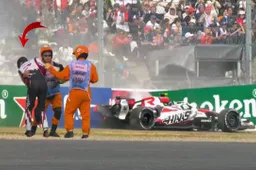
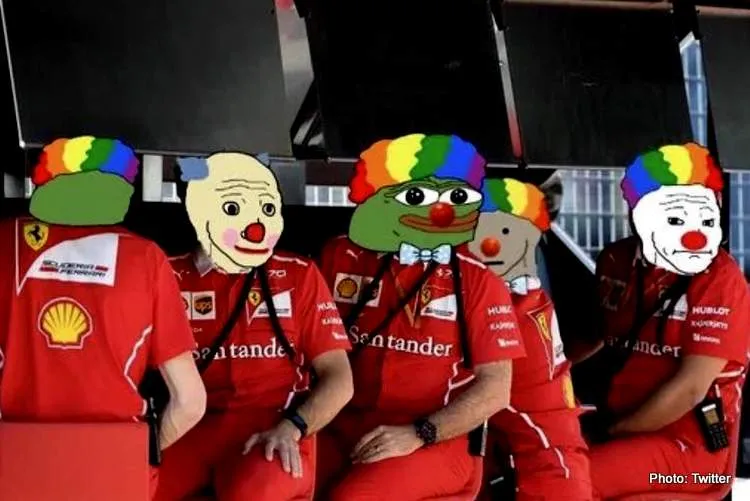
The first three races have divided the sport, with one side of a packed fence where fans are protesting: "This is not Formula 1" pointing to the many incidents that plagued teams and drivers in Melbourne, Shanghai and Suzuka. And a great escape for Haas driver Ollie Bearman in Japan.
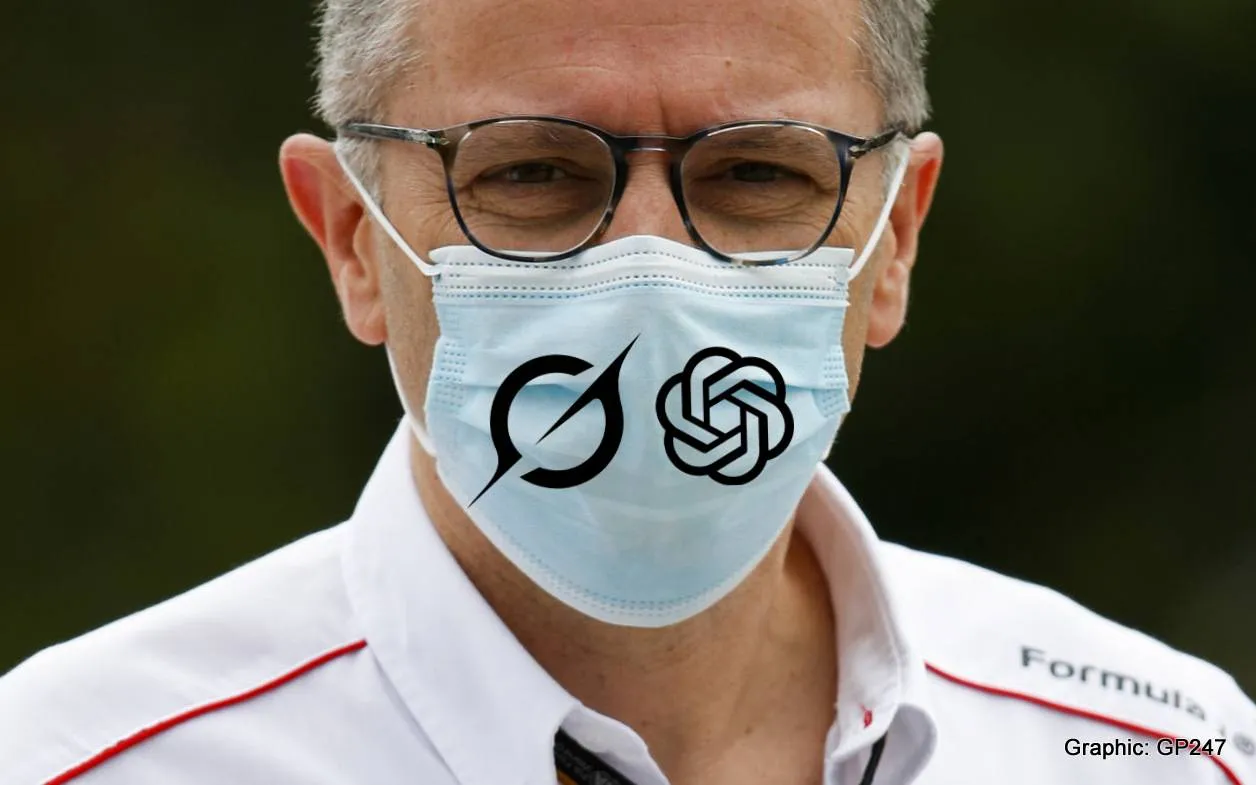
The other side of the fence, the few fans that exist are allegely smitten with the new rules and tow the FOM narrative: "The result is magnificent, it's great." That was not said by fans, but rather the actual words of Formula 1 CEO Stefano Domencicali on the official F1 website today.
Undeterred, Domenicali doubled-down: “The result is magnificent, it's great. Everyone is [saying], ‘Wow, what is going on?’ A lot of action, and this is what people want to see. Globally speaking, it has been a very positive reaction from the fans, that has been sort of now interrupted by one month where we have no races.
"I'm looking forward to going back with the adjustments that we need to do together in Miami to see what will be the outcome of it. But the intensity and the attention on what we're doing is fantastic. Three events sold out. In terms of viewership, we are growing and we are getting higher in terms of numbers, and the attention on our sport has never been so good.
So, as I said, I take on board everything, but have a clear line on what we want to do for the future," declared the F1 chief, whose social media team spent time deleting unfavourable comments in the wake of the first three races of the season.
If it ain't broken, why fix it?

While the commercial success of Formula 1 is well known, the claims by Domenicali that "globally speaking, it has been a very positive reaction from the fans" along with how "magnificent" this new formula is for fans, had red flags waving.
Notably, the first part of Domenciali's statement he identifies two areas of "adjustment" namely Qualifying and driver safety. He said: “Hopefully before Miami, the FIA will inform what will be, let's say, the adjustment that will be done to tackle mainly two considerations."
Prompting the question: If "magnificent" Formula 1 ain't broken, why fix it?
Regarding Formula 1's popularity at this point, thankfully, modern tools exist to rapidly verify these statements, and as has become our norm these days AI serves to rapidly establish authenticity of facts, interviews, quotes and the like, which in the past might've taken days if not weeks to achieve.
Simply pasted Domenicali's statement into both Grok and ChatGPT and typed in the question: Is this statement made by Formula 1 CEO Stefano Domenicali true or false? This is what they had to say.
Grok: Partially true but selectively optimistic

Stefano Domenicali, Formula 1 President and CEO, made his statement in mid April 2026 ahead of the Miami Grand Prix. He called the new season “magnificent” and praised the level of action. He also claimed fans reacted very positively worldwide. At the same time, he pointed to record crowds, rising viewership and huge attention on the sport. He admitted the calendar break and said changes may still be needed.
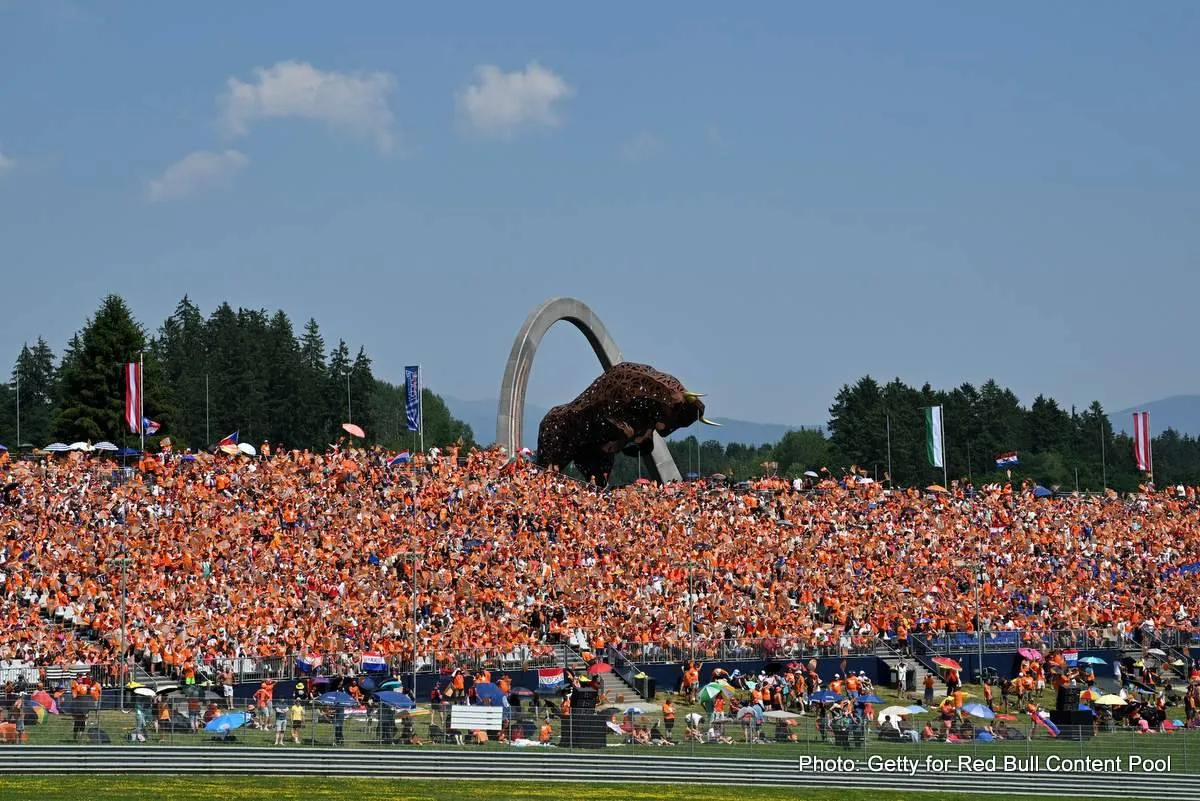
Attendance supports his argument. The first three races all sold out and set strong benchmarks. Australia drew 483,934 fans across four days, about 20,000 more than 2025. China attracted around 230,000 spectators, its highest figure in nearly 20 years. Japan also posted solid growth and continued the trend of packed grandstands.
Viewership tells a more mixed story. Formula 1 reports strong gains in key markets for the first three races. Australia rose by 23%, China by 30%, and Japan by about 20%. Digital platforms and new broadcast deals also performed well. However, some European pay TV markets dropped sharply, including Spain and France.
Fan reaction remains divided

Formula 1 points to internal surveys that show new fans enjoy more overtaking and closer racing. The electric heavy power units and energy tools drive that change. However, many core fans and drivers strongly disagree. They argue the racing feels artificial and too controlled.
Max Verstappen has called the cars anti racing and not enjoyable. He also compared the product to Formula E due to heavy energy use. Lewis Hamilton takes a more positive view and highlights closer battles. Other drivers sit somewhere in between. Online reaction reflects this split and shows clear disagreement.
The calendar context is clear. Bahrain and Saudi Arabia were cancelled due to conflict in the Middle East. That created a five week gap before Miami on May 1 to 3. Formula 1 is now discussing changes, especially around qualifying and energy use.
The verdict is simple. Domenicali is partly right but frames the situation in a selectiove optimistic manner. The business side looks strong with big crowds and growth in some markets. But criticism from drivers and long time fans remains serious. The 2026 Formula 1 rules may deliver more 'action' but many still question the quality of racing.
ChatGPT: Fan reaction is split and criticism is real

Stefano Domenicali’s positive view of the early 2026 Formula 1 season only partly holds up. He links strong business results with happy fans. The numbers support the first claim, not the second.
On the business side, Formula 1 looks strong. Australia, China and Japan all sold out. Demand at the track remains high. TV audiences also grew by roughly 20% to 30% in key markets. The trend shows clear global interest.
The claim about fan reaction is much weaker. No independent data proves that fans widely support the 2026 product. Formula 1 points to internal surveys, but it has not shared details. Without that, the claim cannot be verified.
At the same time, criticism from inside the sport is loud. Several drivers say the racing feels artificial. The new rules force heavy energy management. Verstappen has called the situation flawed. Norris has questioned the authenticity of the racing.
Former world champion Nigel Mansell has also raised concerns. He says the current product does not match traditional Formula 1. These views carry weight because they come from those closest to the action.
For fans and drivers is it Formula 1 or Battery 1?

Fans echo these concerns across social media. Many complain about “battery management” racing. Others mock the racing style and its limits. While online reaction is not perfect data, the tone is consistent and negative.
The FIA’s response adds another layer. Officials have already held meetings to review the rules. They are looking at changes after only a few races. That signals real concern behind the scenes.
The key issue is simple. Attention is not the same as approval. Formula 1 is growing and drawing crowds. But that does not mean fans like the racing.
In the end, Domenicali is only half right. The business is strong. The fan reaction is far more divided.
The verdict is clear. Domenicali is partly right but frames the picture in his favour. The business side remains strong with full grandstands and growing reach.
But fan reaction is split and criticism is real. The 2026 rules bring more action, yet many question the quality of racing. Miami and future changes will decide if Formula 1 can turn attention into real approval.


Latest News
Loading