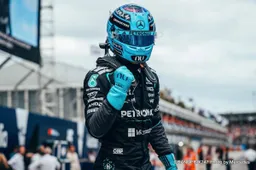
George Russell says people forget McLaren, Williams, and Alpine have a Mercedes engine
F1 NewsSaturday, 07 March 2026 at 15:54
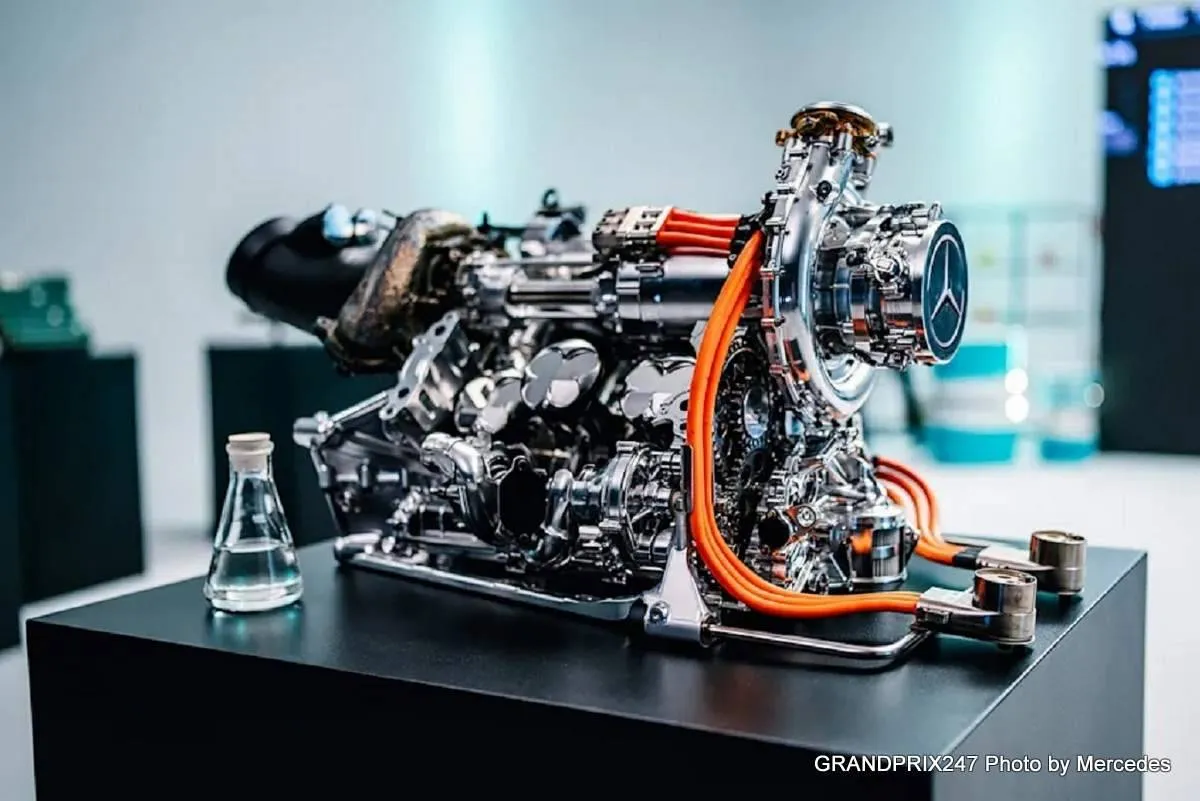
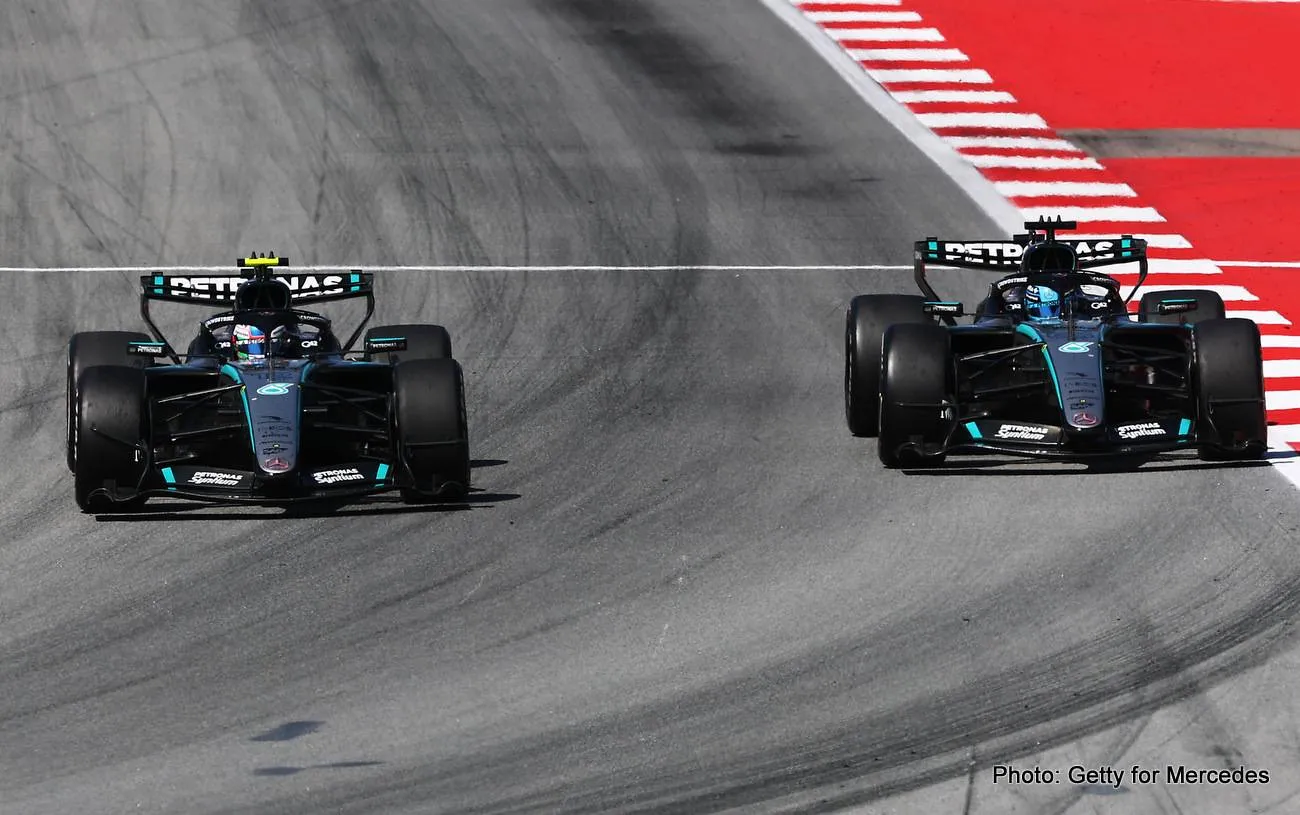
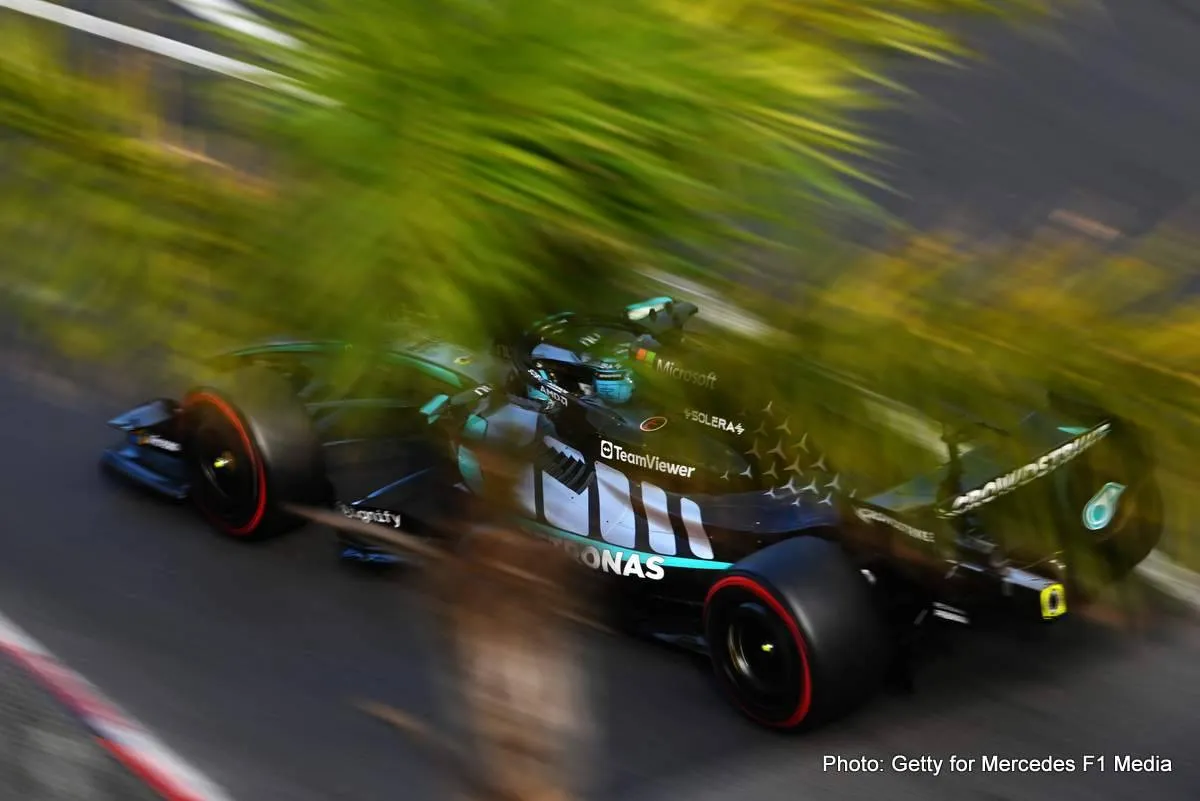
Mercedes's new Formula 1 power unit has been in the spotlight before the start of the 2026 season, and George Russell's dominant pole in Melbourne has renewed talk about it.
Mercedes have apparently found a way to increase their engine compression from the mandated 16:1, which is measured at ambient temperature, to 18:1 when the engine is running.
As such, they would pass the FIA testing procedures but then enjoy an advantage during the race and qualifying, which did not go down well with their rivals, who were furious—most probably since they missed the trick.
The FIA ultimately buckled under pressure from Mercedes' power unit rivals—Audi and Ferrari in particular—and changed the testing procedure of engine compressions, which will now be done at 130°C from July.
However, after Russell took pole in qualifying for the 2026 Australian Grand Prix, rivals pointed to the huge eight-tenths gap he had over his highest-placed non-Mercedes rival, Isack Hadjar, who was third for Red Bull Racing.
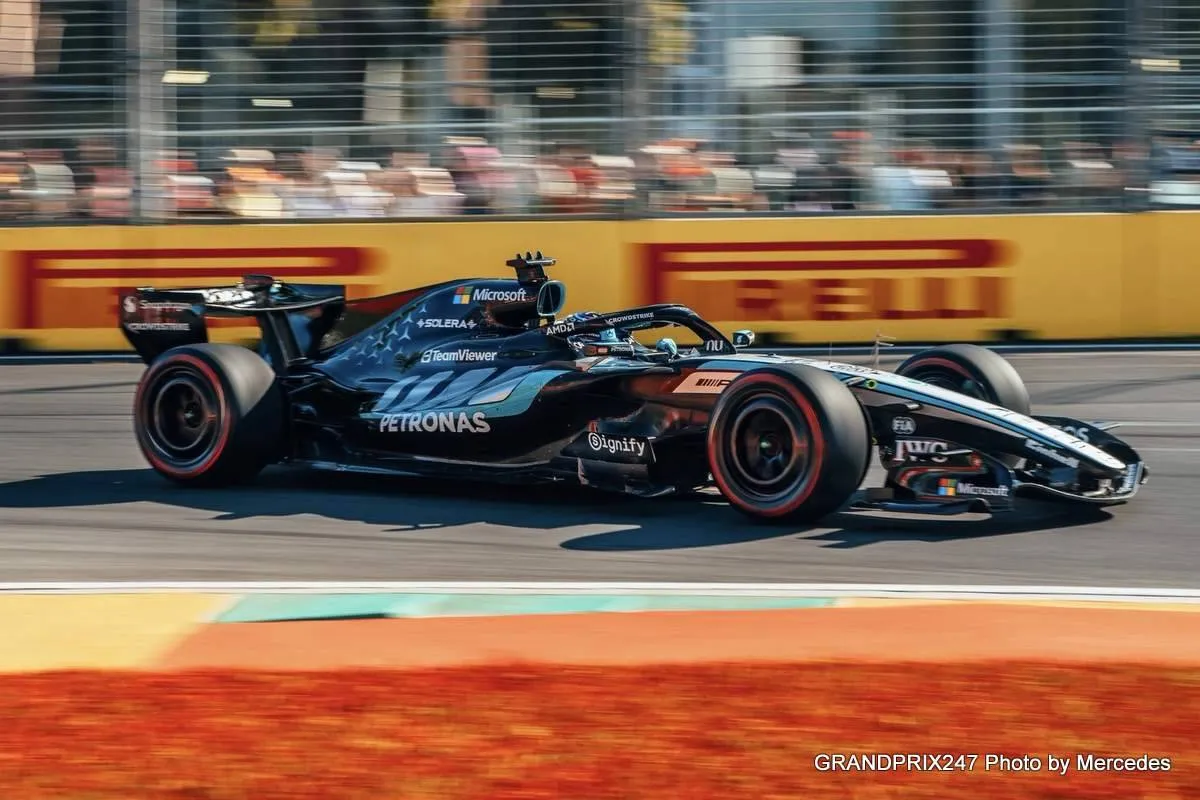
But Russell was having none of that, insisting the W17 chassis was also a great design and that his performance was not only down to the power unit.
He hit back saying: "I felt good out there. It was a clean session, and I'm pretty pleased with how that went. It's the first step of a long, old season.
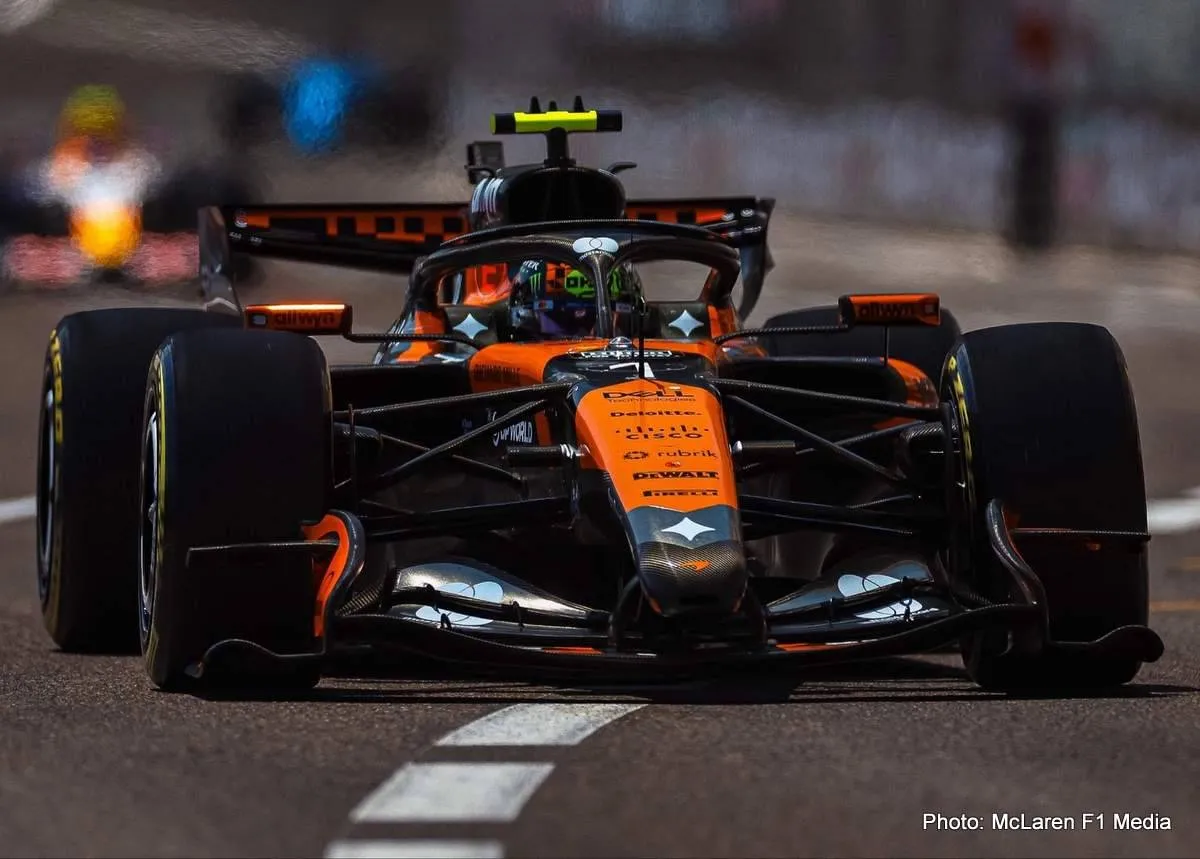
"The car looks amazing. The engine has been getting a lot of heat, but people forget McLaren, Williams, and Alpine have also got a Mercedes engine.
"The car is just mighty. It feels more like the Mercedes of the good, old days. I was quite relieved when I drove it for the first time," he concluded.
While it remains to be seen how Mercedes' performance changes when the new compression testing procedure is applied, the fact remains that their rivals simply need to do a better job.
McLaren, the reigning F1 Constructors' Champions, use Mercedes power units but were almost a second off the pace in qualifying in Melbourne, while it is pointless to even talk about Williams' and Alpine's respective performances. (Source: Sky Sports F1)
Latest News

Loading