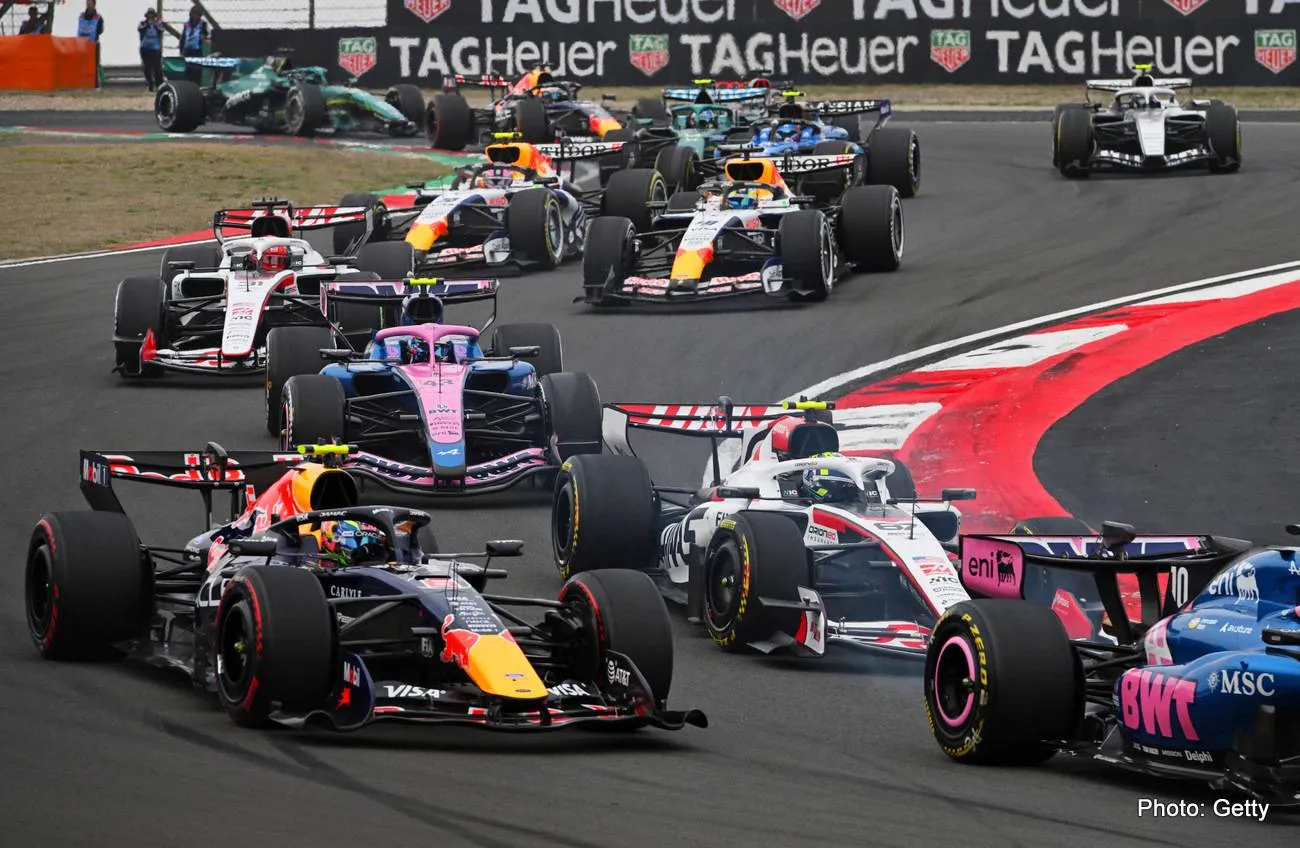
Following the completion of two Grand Prix events in the new Formula 1 season, the influence of the 2026 vehicle regulations is becoming increasingly evident.
However, the debate over whether they are a good thing still rages throughout the Formula 1 community.
Driver POV
Without doubt, Mercedes is the class of the field, and by some margin. It’s not just the engine; the whole package is optimised to get the best out of its PU. In particular, how its power is deployed and regenerated. If you ask George Russell, he’s more than happy with the “new way of racing”.
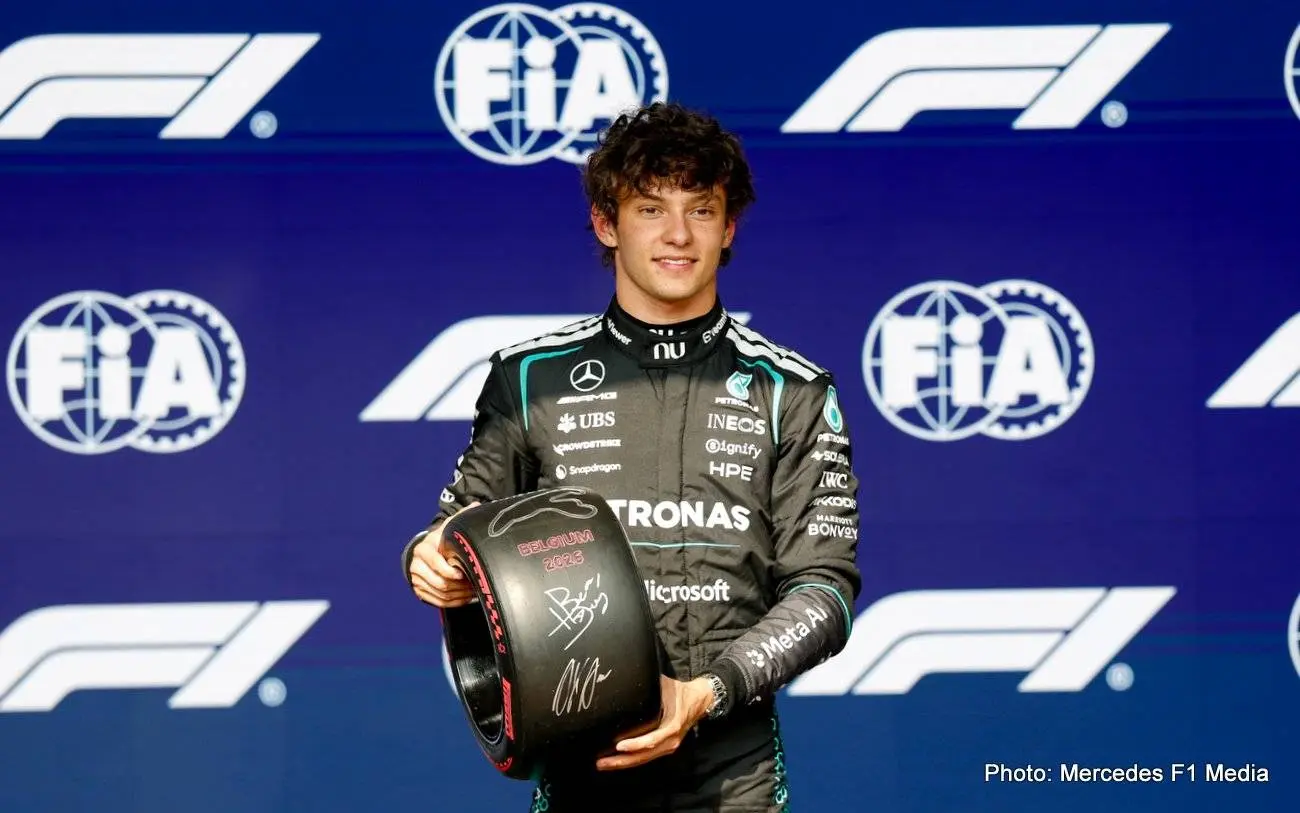
No doubt so is Kimi Antonelli after his pole and win in China. The Ferrari pair are also relatively positive. Their small turbo PU may well prove to be an even bigger advantage when Mercedes has to reduce their compression ratio in June.
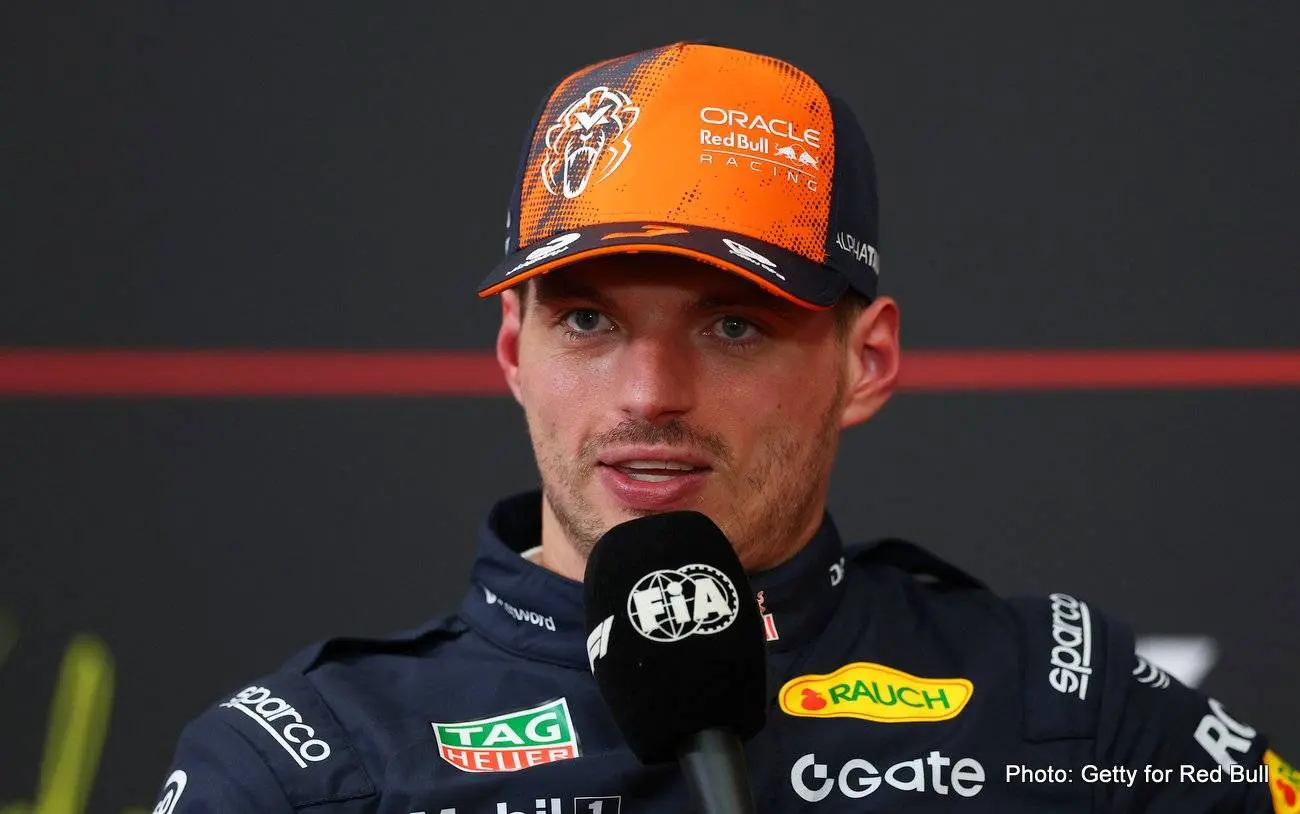
However, if you ask Max Verstappen, it’s a different story. He’s been very clear on where he stands. He finds the “super clipping” element to recharge his battery level particularly offensive. Those who say he would be singing a different tune if it were his car that had the “advantage” don’t understand him. Max is a purest, as racer you should be able to constantly attack the car ahead, not rely on having enough battery power.
Audience POV

Again, there is also a split view. This time, the line falls generally between pre- and post-Drive To Survive fans. For the former, these are typically people who actually understand what’s involved in racing a car.
Either because they have done it, have an in-depth knowledge of motor racing, or were watching F1 prior to 2019. The rest just want to be entertained in an uncomplicated manner, and for F1, this means multiple overtakes. The how and why behind them is not important, as long as it’s happening.
Parc Ferme’s POV
For me, motor racing’s enjoyment was always in the act of participating. Watching it, always felt a bit hollow, wishing I was on there on the track. Unfortunately, left to its own devices, F1 does not lend itself to the typical audience-entertainment narrative.
The pinnacle of excitement is normally the start of the race. From there on, barring a few upsets, the race becomes increasingly boring. The best drivers and cars are known at the outset, and after the first initial laps, predictability sets in. The important finishing order and final winner is pretty much ordained long before the chequered flag.
Liberty has sought to address this, and, in all fairness, it has done so. The season so far has been more entertaining, even though much of the “entertainment” is fake. The pursuit of the dollar will ensure nothing changes.
However, for the purists, if you want to see some real, unadulterated racing in the raw, you need to do what I do. Watch the F3 and F2 support races. That’s real motor racing entertainment!


Latest News
Loading

