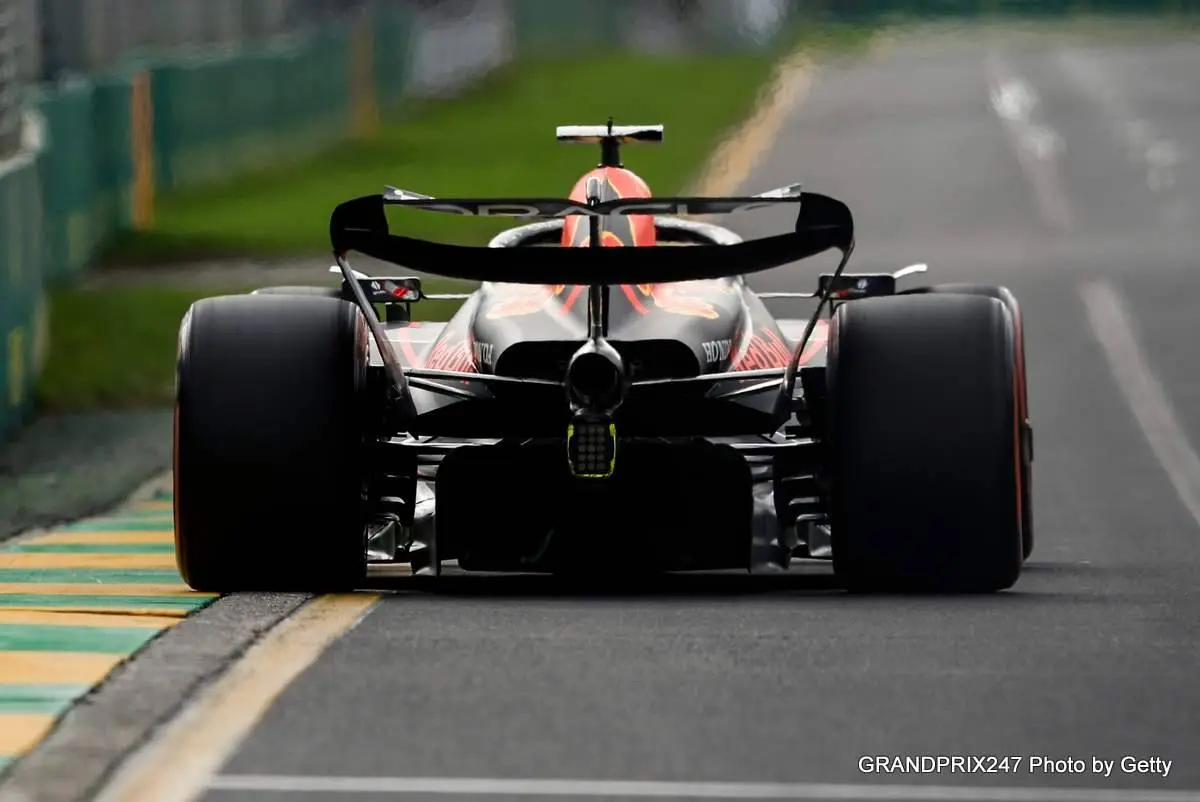
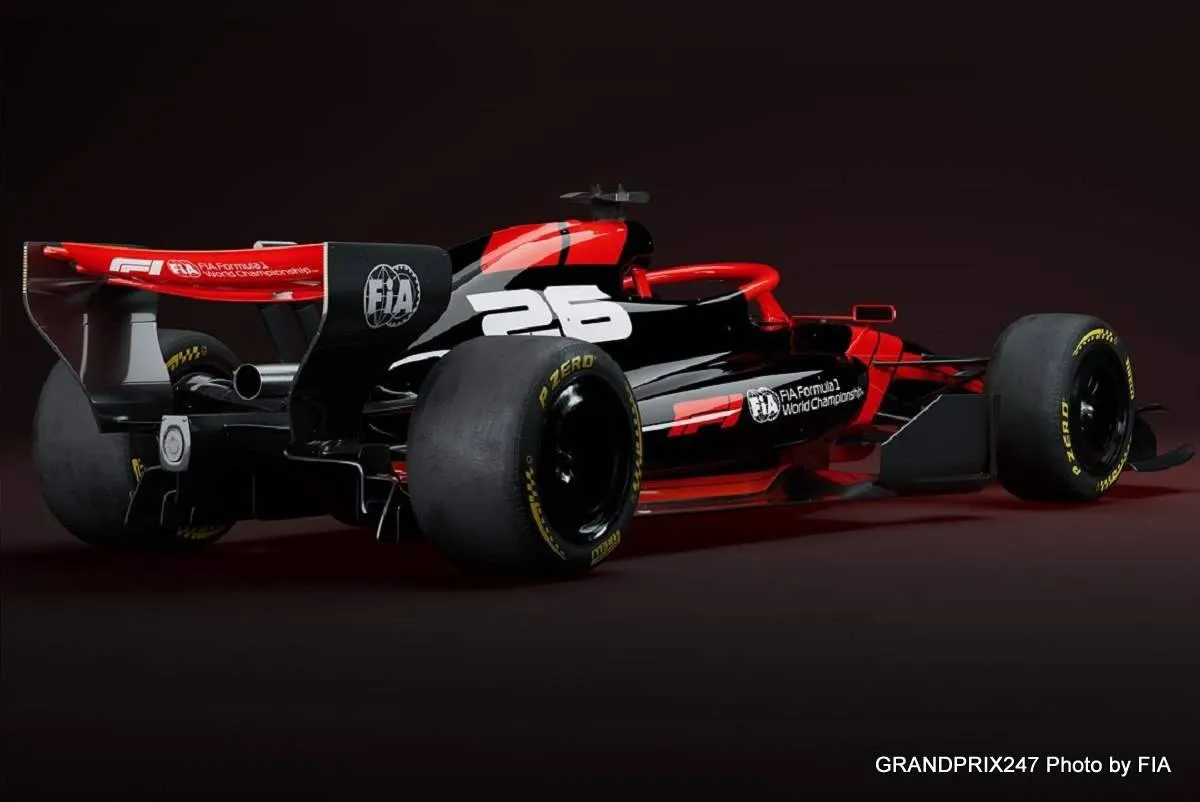
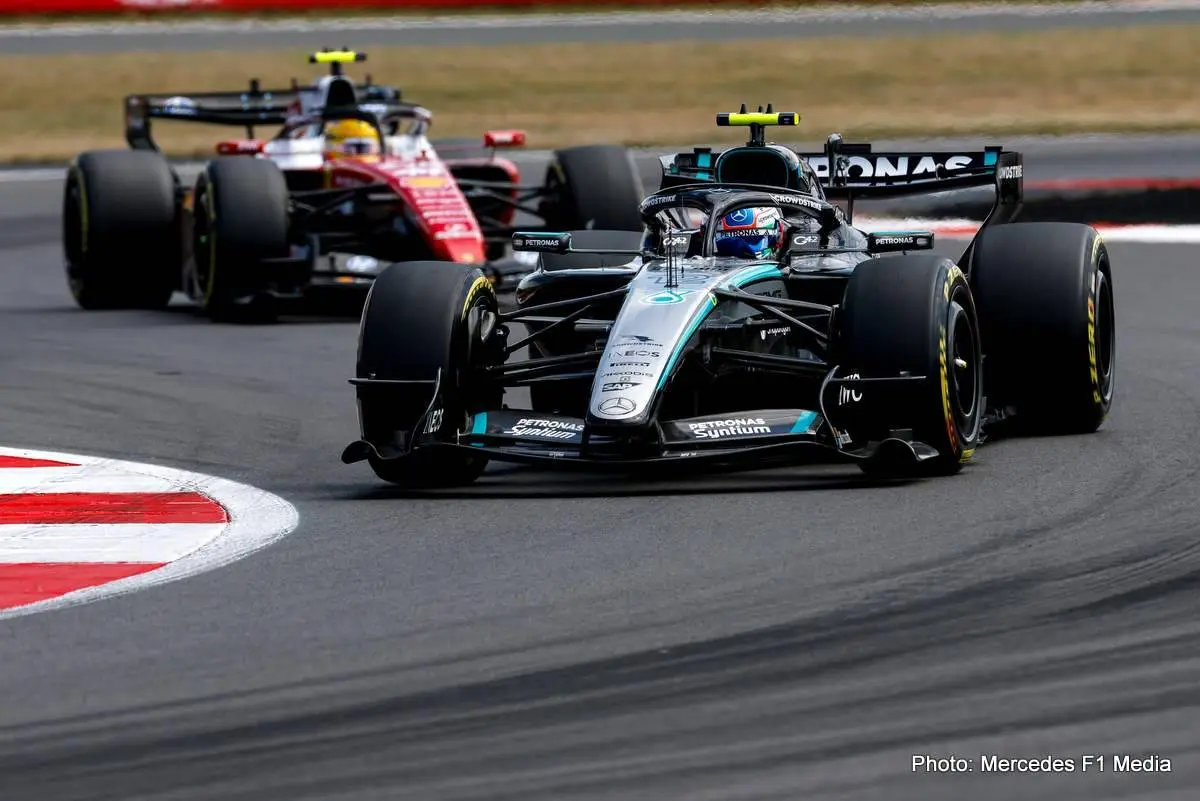
The 2026 Formula 1 will not have the Drag Reduction System (DRS) anymore but will be using active aero components on both front and rear wings.
The active aero will help reduce drag on the straights, which in turn will reduce the requirement from the new power units to propel the cars without losing top-end speed, and along with boost and overtake modes, the new aero system will hopefully allow for better racing and more overtaking.
This new solution replaces the DRS, which was first introduced back in 2011 with the aim of promoting overtaking.
It was a simple solution that opened a rear wing flap, reducing drag and boosting the top speed of an F1 car that is chasing another and attempting a pass when the gap between them is a second or less.
However, many were never fans of DRS and are now skeptical about the moveable aero that will be introduced in 2026.
DRS was a crude solution?

But former Ferrari engineer Jock Clear is seeing positives with the changes and explained: "I think there's always been a general feeling within the sport, and I think probably shared amongst the fans as well over time, that DRS was a bit of a crude attempt to make an overtake possible.
"And I say that from the point of view that if there's any circumstance, or if there's any choice, and you gave this challenge to any engineer and said in some circumstances on the track, we take away 30% of your rear downforce, everybody would say that's going to be quite scary. So, you've got a situation which is inherently quite unstable.
"But I think the new regulation is a recognition of the fact that, actually," he pointed out. "If you want the drivers to really be able to race closely, manoeuvre accurately, and with confidence when they're doing 320 kilometres per hour, trying to get past each other, the reality of all of those DRS situations is that the overtake happens pretty much at a higher speed, because that's what the DRS is giving you.
"So you're asking drivers to outmaneuver each other at 320 KPH, when one of the drivers has got a very, very unbalanced car. And we've seen it works. The DRS was effective, and the drivers dealt with it.
"But I think coming back to the objective of having better racing, the drivers would say, if you give me a nicely balanced car at that sort of speed, I'll be able to maneuver better, I'll have more confidence in the car, I'll be able to make overtakes that are a bit more challenging, because I'll have the right levels of balance in my car.
Active aero a really clever idea

"The fact that they've gone for the front and rear to have adaptive aero is a really clever idea," Clear claimed. "And again, we'll see how well that works in reality, because actually, when we look at developing racing cars, we're very good these days at simulating, either in the tunnel or in CFD computational wind tunnels.
"We can replicate pretty much all the situations the cars are in, except pure racing, where you're trying to get past another car, or you're trying to maybe outmanoeuvre two cars into the first corner.
"The simulation of that is very difficult, simply because you don't know what the other car's going to do because there's a human involved with that.
"If you look at the challenge on paper, this solution does suggest it's a much better way to go about overtaking and racing, because you've got a car that's nicely balanced.
"Therefore, whatever happens, you're going to be better equipped to deal with it if you have a balanced car, so, the engineering is very sound.
"I don't see, at the moment, why that shouldn't result in the drivers having much more confidence going into those overtake opportunities," Clear concluded. (Source: CasinoHawks)
Latest News



Loading